Urai
0.4125°S 130.6996°E · reef
Urai is a reef dive site in Raja Ampat, West Papua, Indonesia.
Overview
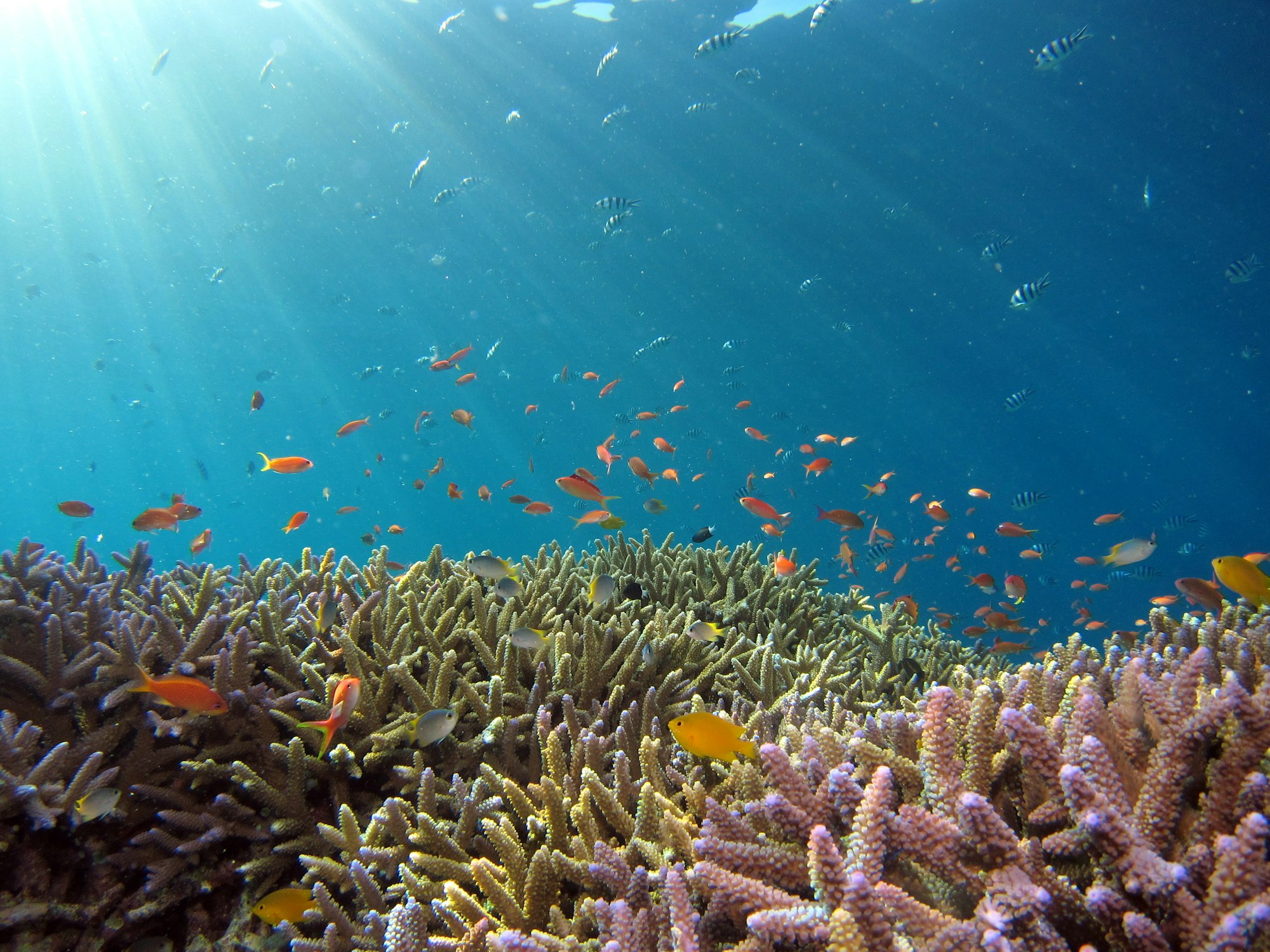
Urai sits in the northern reaches of Raja Ampat’s Dampier Strait area, offering productive reef diving along a structure that benefits from the currents circulating through this part of the archipelago. The reef combines a sloping profile with coral-encrusted bommies rising from the substrate, creating varied terrain that rewards divers who take time to explore at multiple levels. Like many Raja Ampat reefs that have been protected under the local community marine conservation system, Urai has maintained high coral cover and fish biomass. Water temperatures average 27-29°C year-round, and visibility typically reaches 20-30 meters.
Site Information
- Location: Raja Ampat, West Papua, Indonesia
- Entry Type: Boat dive
- Site Type: Reef
- Difficulty Level: Intermediate
- Maximum Depth: 25 meters
- Typical Visibility: 15-30 meters
- Current: Moderate, variable direction
- Best Time: October to April
Marine Life
The bommie terrain at Urai provides habitat diversity that translates into species variety. Large coral heads shelter groupers, moray eels, and lionfish, while the surrounding reef supports dense populations of clownfish, damselfish, and parrotfish. Reef sharks are regular visitors, and Napoleon wrasse patrol the mid-water above the bommies. Sea turtles are frequently seen, often allowing close approach. For macro enthusiasts, the encrusting growth on the bommies yields nudibranchs, flatworms, and various shrimp species. Cuttlefish are sometimes encountered hunting near the reef.
Dive Profile
Begin at the reef crest and descend along the bommie field, spending time at each coral head. The most productive depth range is 8-20 meters, where bommies are most numerous and their fish communities most active. At depth, the terrain opens to a sandy slope worth checking for garden eels and ray species. Return to the reef on a slightly different line to cover new ground, finishing with a shallow water safety stop near the reef top.
Entry and Exit
Access is by dive boat. Entry via giant stride near the reef top. Current direction varies and your guide will orient the dive accordingly. Deploy SMB before ascending for boat pickup. Exit back onto the dive boat.
Tips and Recommendations
- Spend time hovering near individual bommies — they each have resident communities worth observing
- Check under ledges and in crevices for resting sharks and groupers
- Early morning dives often find more active hunting behaviour from larger predators
- Bring a torch for exploring cavities in the bommie structures
- The reef is suitable for both wide-angle and macro approaches
Safety Considerations
Moderate currents can develop depending on tidal stage — check with your guide before the dive. Maintain good buoyancy around the bommies to avoid contact. Always carry an SMB and ascend at a controlled rate. Dive within your certification limits.
Photography
The bommie terrain at Urai creates natural wide-angle compositions with coral heads as anchor points in the frame. Fish schooling above the bommies can be captured with an upward angle against the blue water and surface light. Macro subjects are plentiful on the encrusting coral of the bommie faces — patience and close focus reward photographers willing to hover.
Sources: Papua Diving - Raja Ampat Dive Sites, Bluewater Dive Travel - Raja Ampat Diving, La Galigo Liveaboard - Top 10 Raja Ampat Dive Sites, Girls That Scuba - Scuba Diving Raja Ampat, PADI - Diving in Raja Ampat. Last updated 2026-04-04.
Sea-surface temperature and wave height from Open-Meteo Marine (ERA5 reanalysis, monthly averages).
63 verified species observations (52 species) logged within ~11 km of this site between 1990 and 2019, from the Ocean Biodiversity Information System.
- Melanotaenia
- Trimma xanthum · Yellow-red Pygmygoby
- Hippocampus bargibanti
- Apogon · three-saddle cardinalfish
- Oxyurichthys auchenolepis · Scaly-nape Tentacle Goby
- Trimma lantana · Lantana Pygmygoby
- Eleotridae · Gudgeons
- Apogon crassiceps · Little Red Cardinalfish
- Hippocampus pontohi
- Trimma okinawae · Orange Spot Goby
- Xenisthmus polyzonatus · Barred Wriggler
- Pseudamia hayashii · Hayashi's Cardinalfish
Scientific survey records skew toward sampled taxa (molluscs, corals) and do not reflect what you are guaranteed to see on a dive.
Source: OBIS (obis.org), aggregated Darwin Core occurrence records.
Conditions change with the tide and the season. If you have dived this site, share what it was actually like — date, visibility, current, and what you saw. Real, recent reports from divers are exactly what this guide is built to collect.
Send a conditions report ›