Wai FPW
0.7022°S 130.7127°E · reef
Wai FPW is a reef dive site in Raja Ampat, West Papua, Indonesia. The “FPW” designation likely refers to an operator or expedition code used when the site was catalogued.
Overview
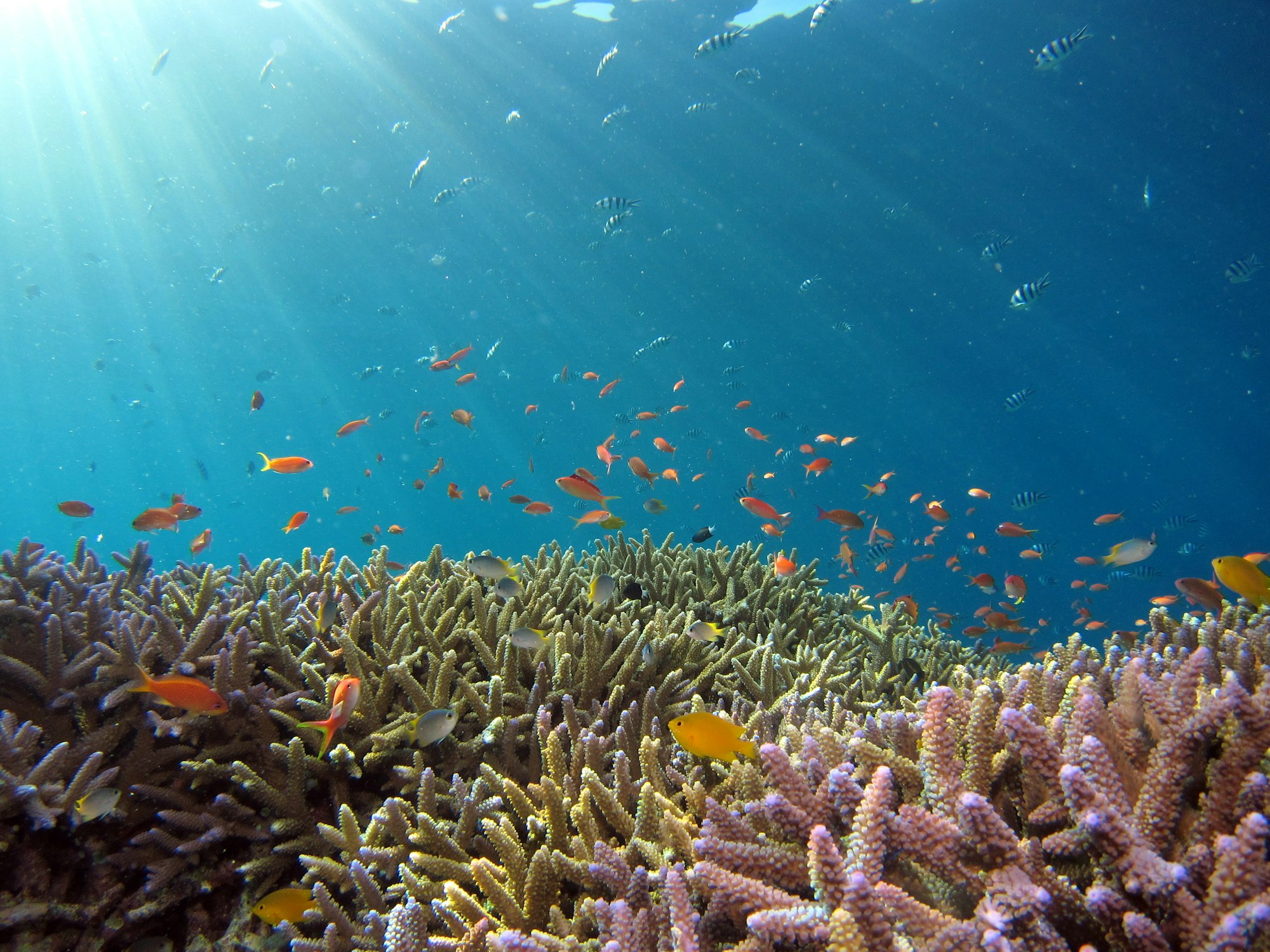
Wai FPW is located in the southern part of Raja Ampat, near Misool or the outer islands, in an area characterised by well-developed reef systems that have benefited from strong conservation management. The site offers a sloping reef with varied terrain: coral gardens in the shallows give way to a mixed reef of bommies, soft coral patches, and encrusting sponges as depth increases. The name “Wai” echoes Papuan place nomenclature of the region. Current activity at the site supports healthy fish biomass and maintains water clarity. Visibility typically reaches 20-30 meters and water temperatures average 27-29°C.
Site Information
- Location: Raja Ampat, West Papua, Indonesia
- Entry Type: Boat dive
- Site Type: Reef
- Difficulty Level: Intermediate
- Maximum Depth: 25 meters
- Typical Visibility: 15-30 meters
- Current: Moderate, variable
- Best Time: October to April
Marine Life
The reef supports the characteristic Raja Ampat suite of species: large schools of anthias and fusiliers above the reef crest, clownfish colonies in anemones, and diverse wrasse and parrotfish across the substrate. Reef sharks and Napoleon wrasse are regular visitors. Sea turtles are frequently encountered resting on or cruising the reef. The bommie terrain at mid-depth provides habitat for groupers, lionfish, and moray eels. Macro divers find nudibranchs and flatworms on the encrusting growth of the deeper reef sections.
Dive Profile
Begin at the reef crest (5-8 meters) and explore the shallow coral garden before descending the reef slope through the bommie zone to around 20-25 meters. Work back up the reef on a different line to maximise coverage. The most productive depth range is 8-20 meters, where reef structure complexity is highest. Finish with a relaxed safety stop in the shallow water.
Entry and Exit
Access is by dive boat. Entry via giant stride from the boat. Site is typically dived by liveaboard operators running the southern Raja Ampat circuit. Deploy SMB before ascending for boat pickup.
Tips and Recommendations
- Explore bommies individually — each supports its own resident community
- Scan the anemone fields carefully: multiple clownfish species may be present at this latitude
- The site suits both wide-angle and macro photography approaches
- Liveaboard timing into this area should align with calmer sea conditions (October to April)
- Night dives at similar southern sites often reveal octopus, cuttlefish, and sleeping parrotfish
Safety Considerations
Conditions in the outer Raja Ampat islands can change with weather. Check the forecast and local operator advice. Currents may develop during the dive. Always carry an SMB. Follow your guide’s lead and dive within your certification limits.
Photography
Southern Raja Ampat reefs like Wai FPW are known for their hard coral integrity and vivid soft coral patches. Wide-angle coral scenic work is excellent, particularly in the shallows where coral coverage is densest. At depth, macro subjects in the encrusting growth reward close-focus work. The typically good visibility supports ambient-light photography through most of the dive.
Sources: Papua Diving - Raja Ampat Dive Sites, Bluewater Dive Travel - Raja Ampat Diving, La Galigo Liveaboard - Top 10 Raja Ampat Dive Sites, Girls That Scuba - Scuba Diving Raja Ampat, PADI - Diving in Raja Ampat. Last updated 2026-04-04.
Sea-surface temperature and wave height from Open-Meteo Marine (ERA5 reanalysis, monthly averages).
49 verified species observations (40 species) logged within ~11 km of this site between 1929 and 2016, from the Ocean Biodiversity Information System.
- Ostorhinchus leptofasciatus · Slenderline Cardinalfish
- Scorpaenopsis macrochir · Humpback Scorpionfish
- Selar boops · Ox-eye Scad
- Ostorhinchus wassinki · Kupang Cardinalfish
- Zoramia perlita · Pearlspot Cardinalfish
- Chrysiptera
- Amblyglyphidodon
- Scorpaenodes guamensis · Common Scorpionfish
- Nectamia fusca · Dusky Cardinal
- Ostorhinchus chrysotaenia · High-fin Cardinal
- Nectamia luxuria · Multi-barred Cardinalfish
- Meiacanthus
Scientific survey records skew toward sampled taxa (molluscs, corals) and do not reflect what you are guaranteed to see on a dive.
Source: OBIS (obis.org), aggregated Darwin Core occurrence records.
Conditions change with the tide and the season. If you have dived this site, share what it was actually like — date, visibility, current, and what you saw. Real, recent reports from divers are exactly what this guide is built to collect.
Send a conditions report ›