Yembuba Diving
0.5718°S 130.6618°E · reef
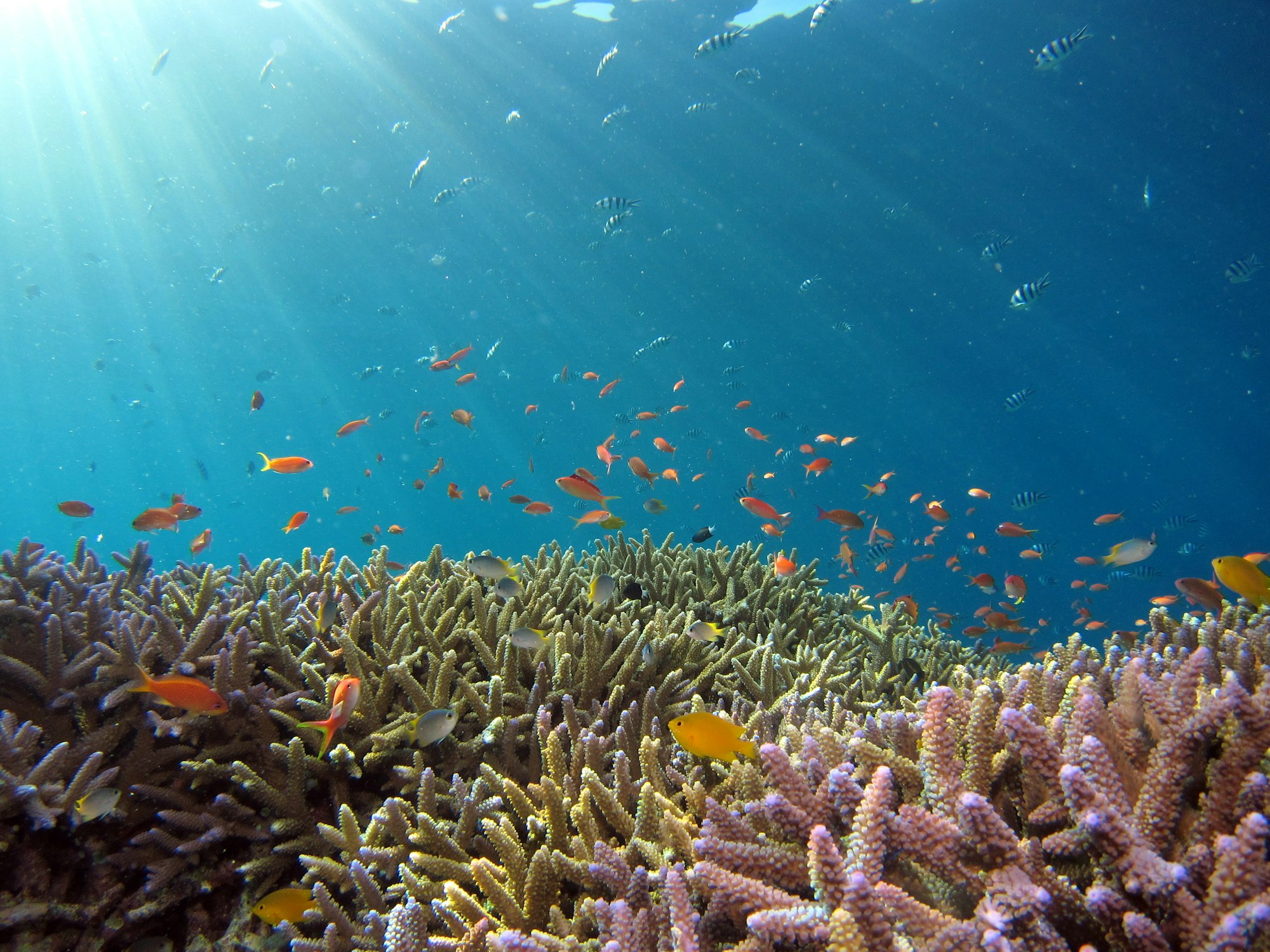
Yembuba Diving is a reef site off Yembuba village on the southern coast of Waigeo Island in the Dampier Strait — a productive diving location in the bustling heart of Raja Ampat’s most-visited diving corridor, offering reliable reef fish diversity and good coral coverage.
Overview
Yembuba village is one of several small communities along Waigeo’s southern coast that manage their reef areas through locally-run marine protection zones. The reef at Yembuba has benefited from reduced pressure and shows solid coral recovery compared to less-managed areas. The site presents a gently sloping reef with hard coral gardens in the shallows transitioning to soft coral and encrusting sponge at depth. Being located in the Dampier Strait, the site experiences tidal exchange that supports healthy filter feeders and associated fish life. Water temperature averages 27–29°C with visibility of 12–20 meters.
Site Information
- Location: Raja Ampat, West Papua, Indonesia
- Entry Type: Boat dive
- Site Type: Reef
- Difficulty Level: Intermediate
- Maximum Depth: 25 meters
- Typical Visibility: 12–20 meters (40–65 feet)
- Current: Variable; moderate on tidal exchange
- Best Time: October to April
Marine Life
The Yembuba reef supports a representative cross-section of Dampier Strait biodiversity: schooling fusiliers and snapper form mid-water aggregations, napoleon wrasse cruise the reef edge, and hawksbill turtles forage through the coral gardens. Resident white-tip reef sharks are found resting at depth. The reef flat at 3–8 meters supports a variety of butterflyfish pairs, surgeonfish, and parrotfish. Macro subjects include flatworms, nudibranchs, and cowries in the rubble sections between coral heads.
Dive Profile
Begin at the reef crest in 5–8 meters and follow the slope down to 20–25 meters, inspecting coral formations and checking crevices along the way. The mid-slope zone at 12–18 meters tends to have the best concentration of larger fish. Return up the slope and spend the end of the dive exploring the shallow hard coral garden, which supports excellent life at snorkeling depths. The protective mooring in the bay near the village is often used by local guides.
Entry and Exit
Accessed by boat from liveaboards operating in the Dampier Strait or by local operators based near Waigeo’s southern coast. Conditions in the Dampier Strait can vary — check conditions before entry. Deploy SMB on ascent; the Dampier Strait sees regular boat traffic.
Tips and Recommendations
- Dive with a local village guide who knows the resident species locations
- The site is often combined with other southern Waigeo reefs on day-trip itineraries
- Check the marine protection zone boundaries with your guide — staying within the protected area is important
- A relaxed pace rewards macro hunters; the rubble zones between corals hold surprises
- Carry a torch even on daytime dives — crevices hide scorpionfish and moray eels
Safety Considerations
Standard intermediate reef diving protocols apply. Dampier Strait currents can strengthen rapidly on tidal change — be prepared to abort if conditions shift. The Strait sees heavy boat traffic from liveaboards and speedboats; carry an SMB and dive flag.
Photography
Yembuba offers a solid all-around reef photography location. Hard coral wide-angle in the shallows, reef fish portraits at mid-depth, and nudibranch macro in the rubble zones provide diverse subjects in a single dive. The site is less crowded than marquee Raja Ampat sites, allowing unhurried photography.
Sources: Papua Diving - Raja Ampat Dive Sites, Bluewater Dive Travel - Raja Ampat Diving, La Galigo Liveaboard - Top 10 Raja Ampat Dive Sites, Girls That Scuba - Scuba Diving Raja Ampat, PADI - Diving in Raja Ampat. Last updated 2026-04-04.
Sea-surface temperature and wave height from Open-Meteo Marine (ERA5 reanalysis, monthly averages).
270 verified species observations (116 species) logged within ~11 km of this site between 1995 and 2025, from the Ocean Biodiversity Information System.
- Acanthurus lineatus
- Ctenochaetus striatus
- Hippocampus bargibanti
- Hippocampus denise
- Hippocampus pontohi
- Pseudamia hayashii · Hayashi's Cardinalfish
- Pseudochromis fuscus · Brown Dottyback
- Cypho
- Chrysiptera
- Trimma xanthum · Yellow-red Pygmygoby
- Asterropteryx
- Hemiscyllium
Scientific survey records skew toward sampled taxa (molluscs, corals) and do not reflect what you are guaranteed to see on a dive.
Source: OBIS (obis.org), aggregated Darwin Core occurrence records.
Conditions change with the tide and the season. If you have dived this site, share what it was actually like — date, visibility, current, and what you saw. Real, recent reports from divers are exactly what this guide is built to collect.
Send a conditions report ›