Yenkoranu Jetty
0.5575°S 130.6720°E · reef
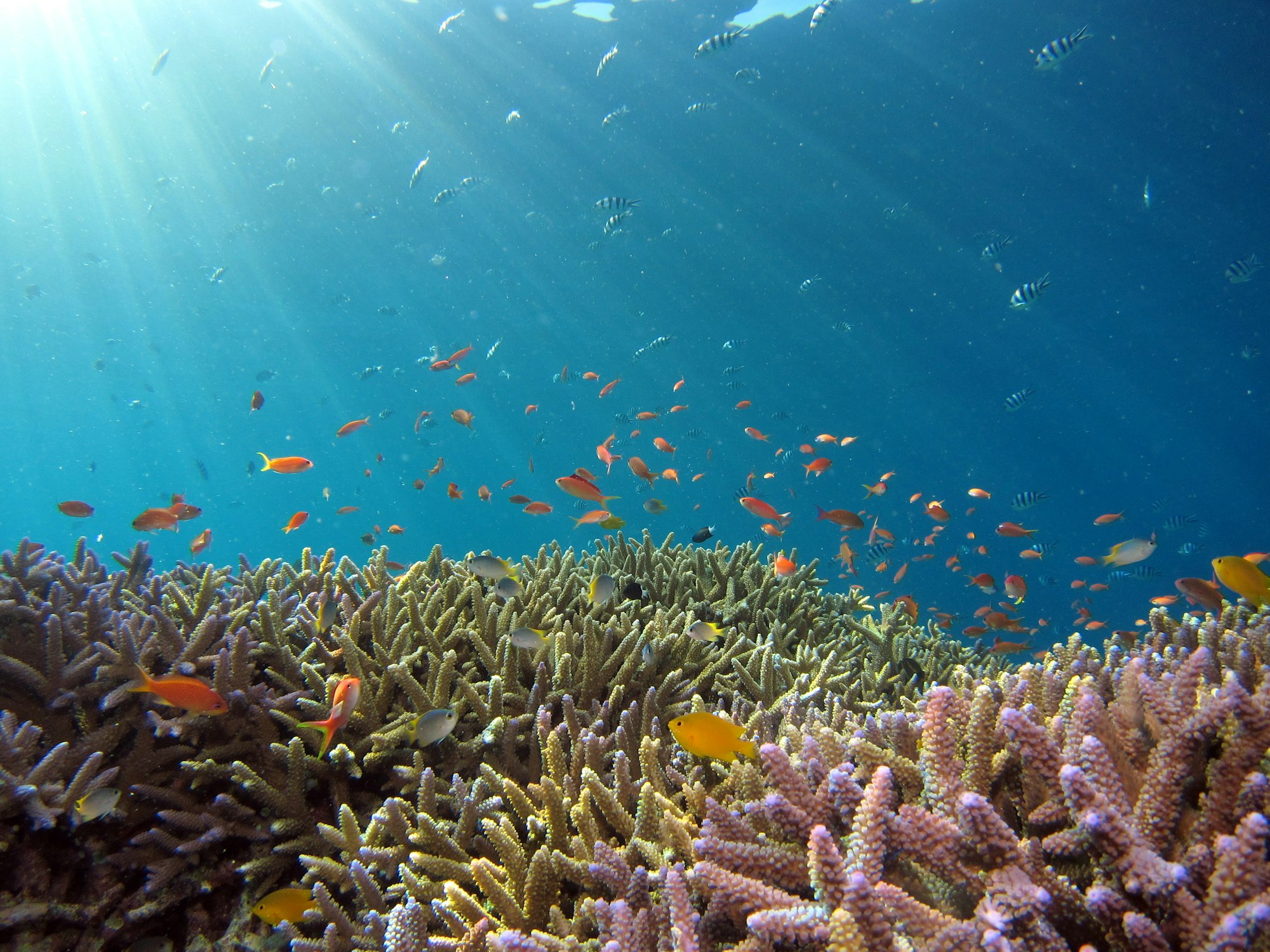
Yenkoranu Jetty is a critter dive at the jetty of Yenkoranu homestay on Kri Island, Raja Ampat, West Papua, Indonesia. Located just minutes from Cape Kri, it offers a completely different diving character — slow, shallow, macro-focused — making it an ideal contrast to the high-octane fish action of its famous neighbour.
Overview
Jetty structures in Raja Ampat accumulate extraordinary marine life over time: the pilings, rubble, and seagrass beneath the jetty create microhabitats that shelter species rarely seen on open reef. Yenkoranu Jetty is celebrated for the variety of invertebrates and cryptic fish that call it home. Cuttlefish hover under the jetty structure. Blue-ringed octopus are occasionally found in shells and rubble. Ghost pipefish drift vertically in seagrass, perfectly mimicking blades of vegetation.
The sandy bottom beneath and around the jetty is productive hunting ground for macro photographers. Mimic octopus and wonderpus have been reported at this site by visiting divers. Juvenile fish of many species use the piling roots as shelter, and hairy frogfish cling to encrusted surfaces with chameleon camouflage. The seagrass patches attract seahorses, pipefish, and leaf scorpionfish.
Because the dive is shallow and sheltered, bottom time is limited only by gas supply and temperature. Water temperature holds at 27–29°C. The beginner rating reflects the site’s calm conditions and shallow depth profile.
Marine Life
- Cuttlefish and blue-ringed octopus beneath the jetty
- Ghost pipefish and seahorses in seagrass
- Hairy frogfish on encrusted pilings
- Mimic octopus and wonderpus in sandy areas
- Juvenile reef fish around piling bases
Dive Profile
The dive is entirely shallow — from the surface to around 10–15 metres beneath the jetty — and moves slowly across seagrass, rubble, and pilings in a systematic macro search. An extended safety stop is easy given the shallow depth. Beginner divers with good buoyancy control are well suited. Entry and exit are by boat or from the jetty itself.
Practical Information
- Depth range: 1–15 m
- Visibility: 10–20 m
- Current: Light (sheltered)
- Best time: October–April
- Water temperature: 27–29°C
- Entry: Boat or jetty
Sources: Papua Diving - Raja Ampat Dive Sites, Bluewater Dive Travel - Raja Ampat Diving, La Galigo Liveaboard - Top 10 Raja Ampat Dive Sites, Girls That Scuba - Scuba Diving Raja Ampat, PADI - Diving in Raja Ampat. Last updated 2026-04-04.
Sea-surface temperature and wave height from Open-Meteo Marine (ERA5 reanalysis, monthly averages).
270 verified species observations (116 species) logged within ~11 km of this site between 1995 and 2025, from the Ocean Biodiversity Information System.
- Acanthurus lineatus
- Ctenochaetus striatus
- Hippocampus bargibanti
- Hippocampus denise
- Hippocampus pontohi
- Pseudamia hayashii · Hayashi's Cardinalfish
- Pseudochromis fuscus · Brown Dottyback
- Cypho
- Chrysiptera
- Trimma xanthum · Yellow-red Pygmygoby
- Asterropteryx
- Hemiscyllium
Scientific survey records skew toward sampled taxa (molluscs, corals) and do not reflect what you are guaranteed to see on a dive.
Source: OBIS (obis.org), aggregated Darwin Core occurrence records.
Conditions change with the tide and the season. If you have dived this site, share what it was actually like — date, visibility, current, and what you saw. Real, recent reports from divers are exactly what this guide is built to collect.
Send a conditions report ›