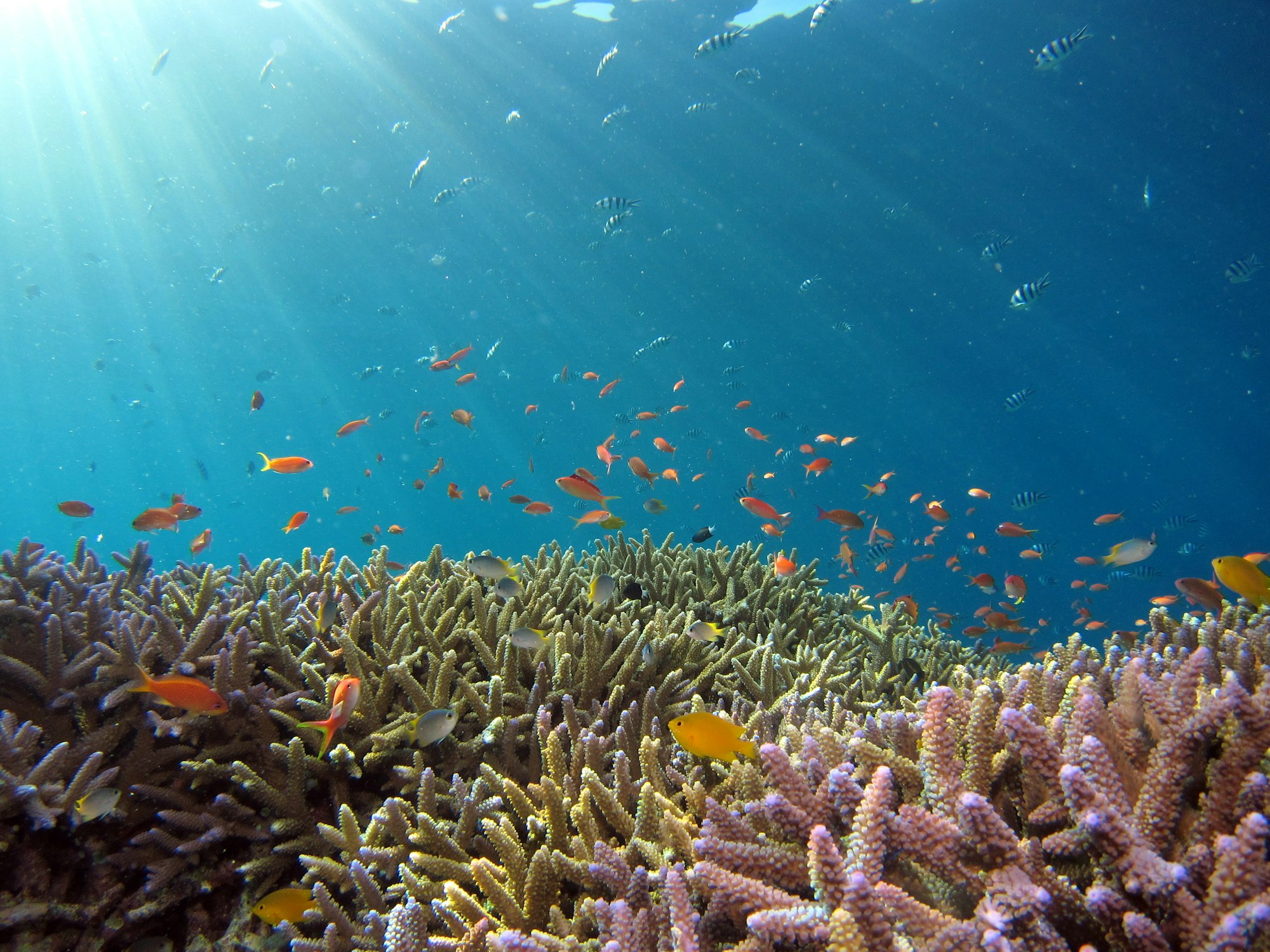
Agincourt Reef No. 1 - Trigger Fish City
16.0398°S 145.8644°E · reef
Agincourt Reef No. 1 - Trigger Fish City is a reef dive site on Agincourt Reef, part of the Ribbon Reefs system approximately 65km east of Port Douglas, Queensland, Australia.
Overview
Agincourt Reef is the closest outer reef to Port Douglas and is the destination for the majority of day-trip dive boats from that town. The reef system consists of several numbered sections; No. 1 is among the most accessible and regularly dived. The name Trigger Fish City reflects the historically high density of triggerfish — particularly titan triggerfish and yellow-margin triggerfish — that populate this section of the reef.
The site is characterised by healthy hard coral gardens on a shallow outer reef platform, making it an excellent destination for all levels. The triggerfish are a reliable attraction, though divers must be aware of their territorial behaviour during breeding season.
Site Information
- Location: Agincourt Reef No. 1, outer Great Barrier Reef, approximately 65km east of Port Douglas, Queensland, Australia
- Entry Type: Boat dive
- Site Type: Reef
- Difficulty Level: Beginner
- Maximum Depth: 16 meters
- Typical Visibility: 15–25 metres
- Current: Variable; typically moderate on outer reef
- Best Time: August to November; year-round accessible
Marine Life
Titan triggerfish are the signature species, identifiable by their large size (up to 75cm), blue-grey and yellow colouration, and assertive territorial behaviour. Yellow-margin triggerfish are present in smaller numbers. Beyond the triggerfish, the reef holds impressive fish diversity: large maori wrasse, parrotfish of multiple species, grouper, and surgeonfish are abundant. Sea turtles are regulars. The reef’s exposed outer position means pelagic species — Spanish mackerel, trevally, and barracuda — pass through regularly. Soft corals and sea fans decorate the deeper reef face.
Dive Profile
A shallow outer reef platform dive, with the most life concentrated in the 6–14 metre range. The maximum depth of 16 metres is reached at the reef slope base. Follow the reef contour along the outer edge, spending time at the hard coral gardens in the 8–12 metre zone where triggerfish density is highest. Return via the reef top in excellent visibility.
Entry and Exit
Day trips from Port Douglas marina with operators including Quicksilver Connections, which runs large vessels with pontoons at the Agincourt Reef sites. Entry from the vessel or tender, exit via the pontoon platform or vessel ladder.
Tips and Recommendations
- Maintain awareness of the triggerfish: if a titan triggerfish begins swimming toward you aggressively, move horizontally away from the reef (not upward, which takes you deeper into their territory cone)
- The triggerfish are most territorial during their October–December nesting season; at other times they are simply impressive large fish to observe
- Port Douglas trips typically cover multiple Agincourt sites in a single day — plan your dives to include a deeper site and use Trigger Fish City for its shallower attractions
- Excellent visibility on calm days makes this one of the best-value day-trip outer reef experiences from Port Douglas
Safety Considerations
Titan triggerfish are the primary behavioural hazard at this site. Their bite is powerful and they defend territories aggressively when nesting. The defensive protocol (swim horizontally away from the reef) is reliably effective. Otherwise the site is straightforward outer reef diving with standard current and sun exposure considerations.
Photography
The titan triggerfish are photogenic subjects with their bold colouration and dramatic expressions. Wide-angle shots in the top 10 metres benefit from the excellent natural light. The reef fish diversity provides constant subject material for both wide-angle reef scenes and individual fish portraits.
Sources: Silverseries - Silversonic Port Douglas, Visit Port Douglas - Agincourt Reef, Poseidon Cruises Port Douglas. Last updated 2026-05-30.
Sea-surface temperature and wave height from Open-Meteo Marine (ERA5 reanalysis, monthly averages).
10159 verified species observations (203 species) logged within ~11 km of this site between 1919 and 2019, from the Ocean Biodiversity Information System.
- Scarus niger
- Acanthurus nigrofuscus
- Zebrasoma scopas
- Acanthochromis polyacanthus
- Plectroglyphidodon johnstonianus
- Pycnochromis margaritifer
- Pomacentrus philippinus
- Plectroglyphidodon dickii
- Chaetodon melannotus
- Chromis ternatensis
- Chlorurus sordidus
- Scarus globiceps
Scientific survey records skew toward sampled taxa (molluscs, corals) and do not reflect what you are guaranteed to see on a dive.
Source: OBIS (obis.org), aggregated Darwin Core occurrence records.
Conditions change with the tide and the season. If you have dived this site, share what it was actually like — date, visibility, current, and what you saw. Real, recent reports from divers are exactly what this guide is built to collect.
Send a conditions report ›