Light Reef - Phil`s Bommie
16.0180°S 145.8064°E · pinnacle
Light Reef - Phil’s Bommie is a coral pinnacle dive site on Light Reef, part of the Agincourt Ribbon Reef system on the outer Great Barrier Reef near Port Douglas, Queensland, Australia.
Overview
Phil’s Bommie is one of the named bommies on Light Reef, a section of the outer Ribbon Reef system accessible from Port Douglas. Like many of the GBR’s best-named bommies, it was named for a dive guide — in this case Phil — who regularly took divers to this spot and knew its features intimately. The site follows the classic GBR bommie template: an isolated coral structure rising from the sandy seafloor, densely colonised on all surfaces, providing habitat for a concentration of marine life that exceeds what the surrounding reef can support.
At 16 metres maximum depth, Phil’s Bommie is shallower than the Ribbon Reef bommies to the north, making it well-suited for day-trip operations from Port Douglas.
Site Information
- Location: Light Reef, outer Great Barrier Reef near Port Douglas, Queensland, Australia
- Entry Type: Boat dive
- Site Type: Pinnacle/seamount
- Difficulty Level: Beginner
- Maximum Depth: 16 meters
- Typical Visibility: 15–25 metres
- Current: Mild
- Best Time: August to November
Marine Life
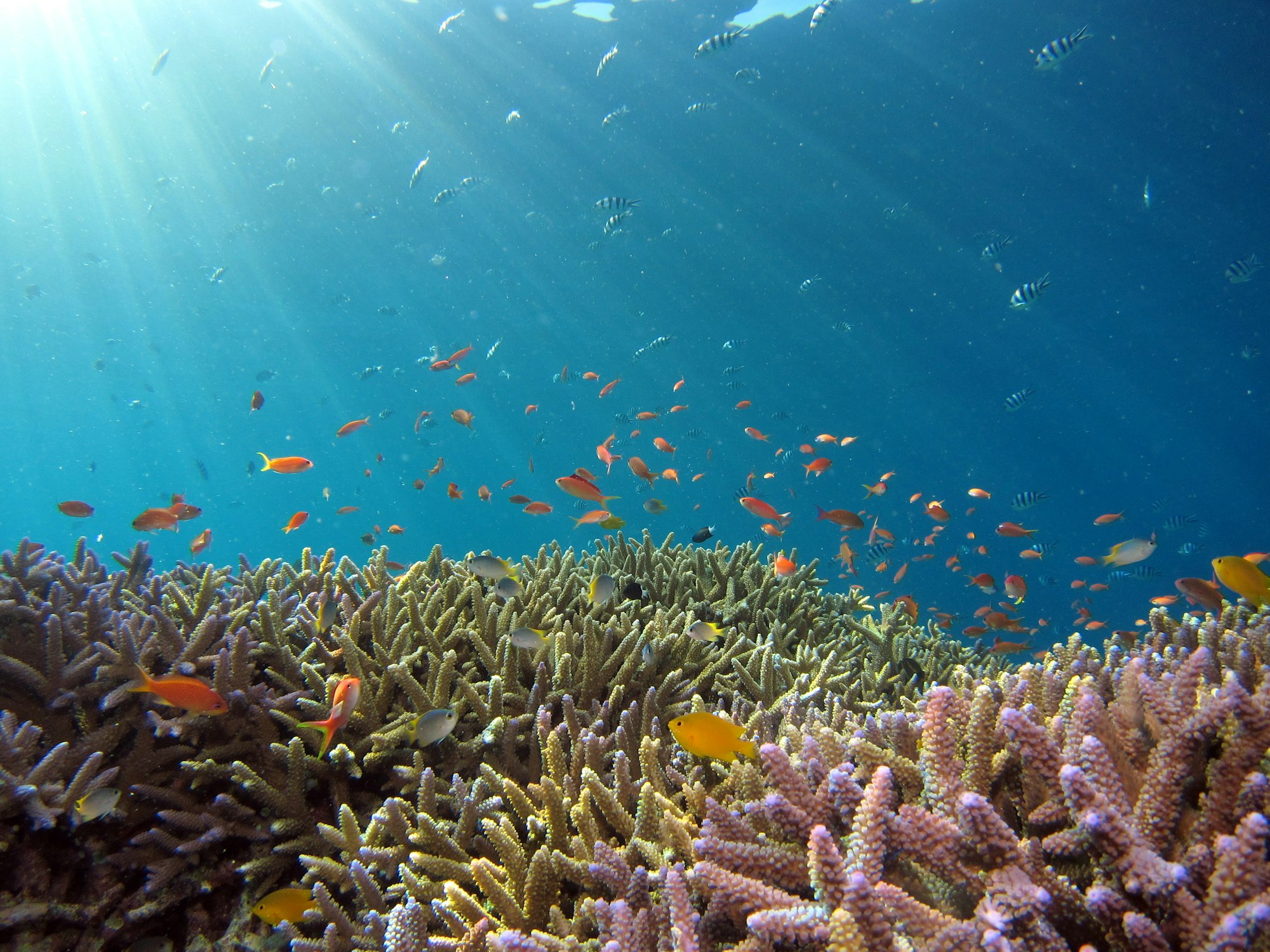
The bommie supports a resident community of anthias clouds, clownfish colonies, and numerous nudibranchs across its surfaces. Large maori wrasse are commonly present at this site — possibly the same individuals encountered at the adjacent Agincourt sites. The sandy base of the bommie holds blue-spotted stingrays and occasional leopard (zebra) sharks resting in the open. Sea turtles use the bommie as a resting and cleaning station. The upper bommie structure hosts good soft coral coverage, attracting pygmy seahorses and pipefish for macro hunters. Moray eels occupy the deeper crevices.
Dive Profile
Circuit dives around the bommie at multiple depths, from the sandy base at 14–16 metres up to the bommie summit at 4–5 metres. The most productive zone is typically 8–12 metres where soft coral coverage is densest and macro life is concentrated. Multiple circuits reveal different subjects on each pass.
Entry and Exit
Day trips from Port Douglas or liveaboard access. Free descent to the bommie top or sand base. Exit via SMB with boat pickup.
Tips and Recommendations
- This bommie rewards slow, methodical diving rather than a single fast circuit
- Ask the dive guide to point out the pygmy seahorses if they are present — their camouflage makes them invisible to the untrained eye
- The sandy base around the bommie is productive for flatfish and sand-dwelling critters — don’t neglect the bottom zone
Safety Considerations
Standard outer reef dive site. Mild conditions suit beginner divers. Monitor air consumption — the richness of the site encourages extended stays. Always deploy an SMB for pickup in open water.
Photography
Phil’s Bommie offers a full range of photographic subjects. Wide-angle shots of the bommie with anthias clouds and divers provide classic GBR bommie imagery. Macro photographers can spend an entire dive on the bommie surface photographing nudibranchs and seahorses. The sandy base provides portrait opportunities with stingrays and resting sharks.
Sources: Silverseries - Silversonic Port Douglas, Visit Port Douglas - Agincourt Reef, Poseidon Cruises Port Douglas. Last updated 2026-05-30.
Sea-surface temperature and wave height from Open-Meteo Marine (ERA5 reanalysis, monthly averages).
10083 verified species observations (202 species) logged within ~11 km of this site between 1919 and 2019, from the Ocean Biodiversity Information System.
- Scarus niger
- Acanthurus nigrofuscus
- Zebrasoma scopas
- Acanthochromis polyacanthus
- Plectroglyphidodon johnstonianus
- Pycnochromis margaritifer
- Pomacentrus philippinus
- Plectroglyphidodon dickii
- Chlorurus sordidus
- Scarus oviceps
- Chaetodon melannotus
- Chromis ternatensis
Scientific survey records skew toward sampled taxa (molluscs, corals) and do not reflect what you are guaranteed to see on a dive.
Source: OBIS (obis.org), aggregated Darwin Core occurrence records.
Conditions change with the tide and the season. If you have dived this site, share what it was actually like — date, visibility, current, and what you saw. Real, recent reports from divers are exactly what this guide is built to collect.
Send a conditions report ›