Plate Top
16.4270°S 145.9904°E · reef
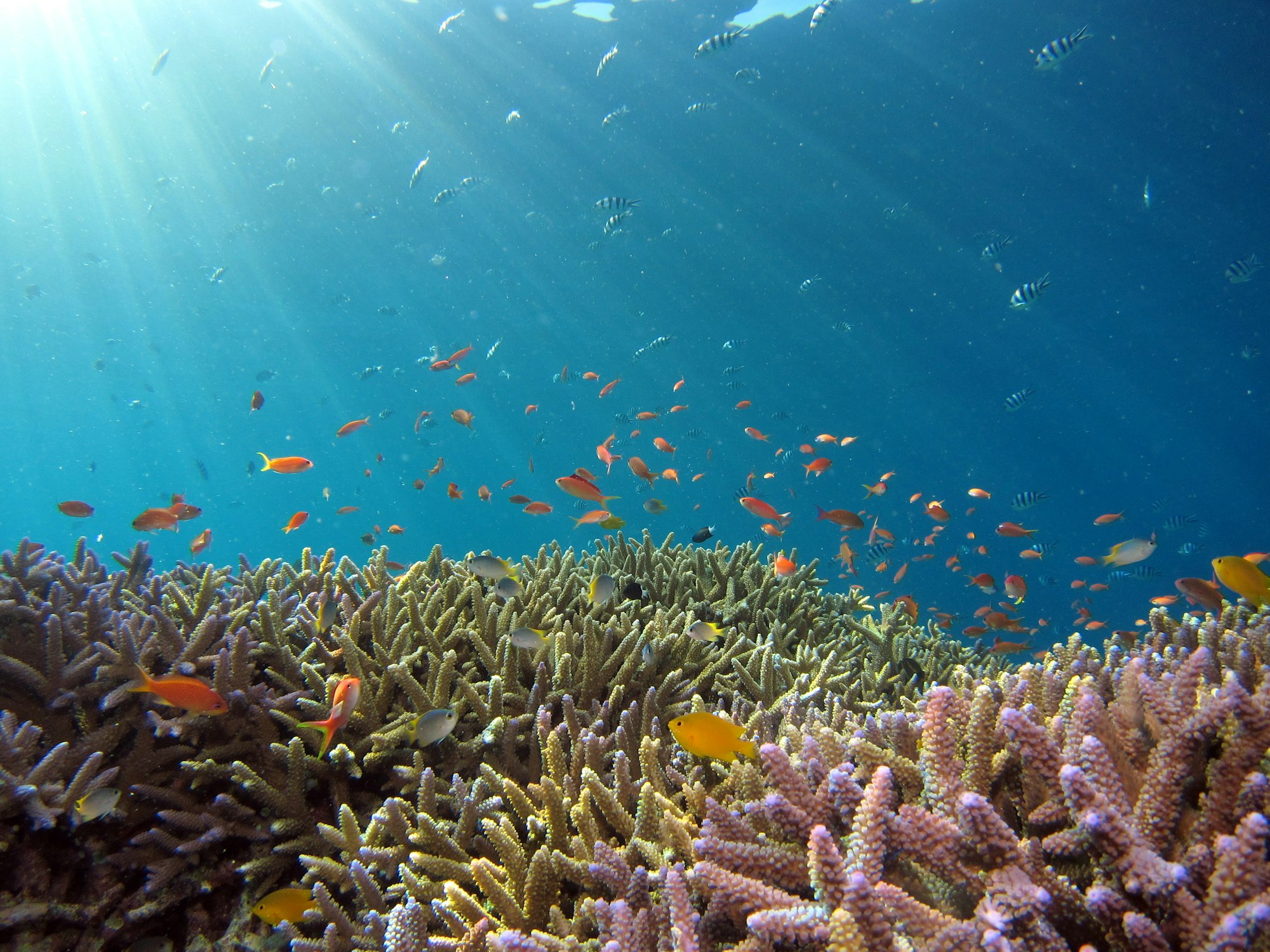
Plate Top is a reef dive site on the outer Great Barrier Reef near Lizard Island, Queensland, Australia, named for the distinctive plate coral formations that define its shallow reef flat.
Overview
Plate Top takes its name from the extensive colonies of plate corals — broad, flat Turbinaria and Montipora formations that spread horizontally across the reef surface, creating a stacked, layered appearance in the shallower zones. These plate coral structures are particularly well-developed here, forming terraced shelves that step down from the reef crest toward the slope below.
The site is positioned on the outer reef system in the Lizard Island area, giving it the clear water and healthy coral coverage characteristic of outer GBR reefs. It is a reliable site for day and liveaboard trips in the area, offering a good cross-section of GBR reef diving without demanding specific conditions.
Site Information
- Location: Outer Great Barrier Reef (Lizard Island area), Queensland, Australia
- Entry Type: Boat dive
- Site Type: Reef
- Difficulty Level: Beginner
- Maximum Depth: 19 meters
- Typical Visibility: 15–30 metres
- Current: Mild to moderate
- Best Time: August to November
Marine Life
The layered plate coral formations create sheltered microhabitats — the undersides of the plates harbour small fish, juvenile animals, and invertebrates that find refuge in the sheltered space. Hawksbill turtles are commonly found feeding on the sponges attached to the plate undersides. Coral trout and grouper ambush prey from the edges of the plates. Reef fish diversity is high: parrotfish, surgeonfish, triggerfish, and butterflyfish move through the formations in numbers. Moray eels use the gaps between plate stacks as their territories. At depth on the sandy slope, whitetip reef sharks rest in small groups.
Dive Profile
Begin at the reef crest at 3–5 metres to observe the plate coral architecture in the best light, then descend along the terraced face to 15–19 metres. The transition zones between plate coral levels are particularly productive for fish watching. Ascend via the terraces rather than the slope for a gradual, varied return to the shallows.
Entry and Exit
Boat access from Lizard Island or liveaboard operators covering the area. Free descent to the reef top. Exit via the boat mooring or SMB.
Tips and Recommendations
- Spend time at the reef crest looking at the plate formations from above before descending — the architectural quality of the coral is visible from the surface
- Look under the plate overhands for juvenile fish nurseries and small invertebrates
- Triggerfish can be territorial in this area during breeding season — maintain distance and avoid hovering directly over their nesting sites
Safety Considerations
Titan triggerfish establish cone-shaped territories around nesting sites on the reef and may chase divers who enter their zone. If a triggerfish begins circering toward you, swim horizontally away (not up — the nesting cone extends upward). Otherwise the site presents standard outer reef considerations.
Photography
The plate coral architecture at this site is unusual and photogenic — wide-angle shots of the stacked formations create strong geometric compositions. Hawksbill turtles feeding under plate overhangs are a recurring subject. The good visibility on this outer reef site allows for environmental portraits that show the coral landscape in context.
Sources: Dive the World - Great Barrier Reef, Cairns Dive Adventures, Great Barrier Reef Tours. Last updated 2026-05-30.
Sea-surface temperature and wave height from Open-Meteo Marine (ERA5 reanalysis, monthly averages).
5535 verified species observations (204 species) logged within ~11 km of this site between 1928 and 2024, from the Ocean Biodiversity Information System.
- Pomacentrus philippinus
- Dascyllus reticulatus
- Plectroglyphidodon dickii
- Sula leucogaster · Brown booby
- Gomphosus varius
- Chaetodon baronessa
- Chlorurus sordidus
- Monotaxis grandoculis
- Chrysiptera rex
- Plectroglyphidodon fasciolatus
- Acanthurus nigrofuscus
- Rhincodon typus · whale shark
Scientific survey records skew toward sampled taxa (molluscs, corals) and do not reflect what you are guaranteed to see on a dive.
Source: OBIS (obis.org), aggregated Darwin Core occurrence records.
Conditions change with the tide and the season. If you have dived this site, share what it was actually like — date, visibility, current, and what you saw. Real, recent reports from divers are exactly what this guide is built to collect.
Send a conditions report ›