Troppo's
16.4192°S 145.9965°E · reef
Troppo’s is a reef dive site on the outer Great Barrier Reef near Lizard Island, Queensland, Australia.
Overview
Troppo’s is a local name — “troppo” being Australian slang for someone who has gone a little crazy from the tropical heat, a name typically attached to dive sites or vessels with an endearing eccentricity. In this case, the site’s name likely reflects a particularly exuberant concentration of marine life or the lively character of the reef.
The site sits on the outer reef in the Lizard Island area, offering the clear water and rich coral coverage typical of this section of the northern GBR. It is often dived as part of a multi-site day from Lizard Island or included on liveaboard itineraries in the area.
Site Information
- Location: Outer Great Barrier Reef (Lizard Island area), Queensland, Australia
- Entry Type: Boat dive
- Site Type: Reef
- Difficulty Level: Beginner
- Maximum Depth: 18 meters
- Typical Visibility: 15–30 metres
- Current: Variable
- Best Time: August to November
Marine Life
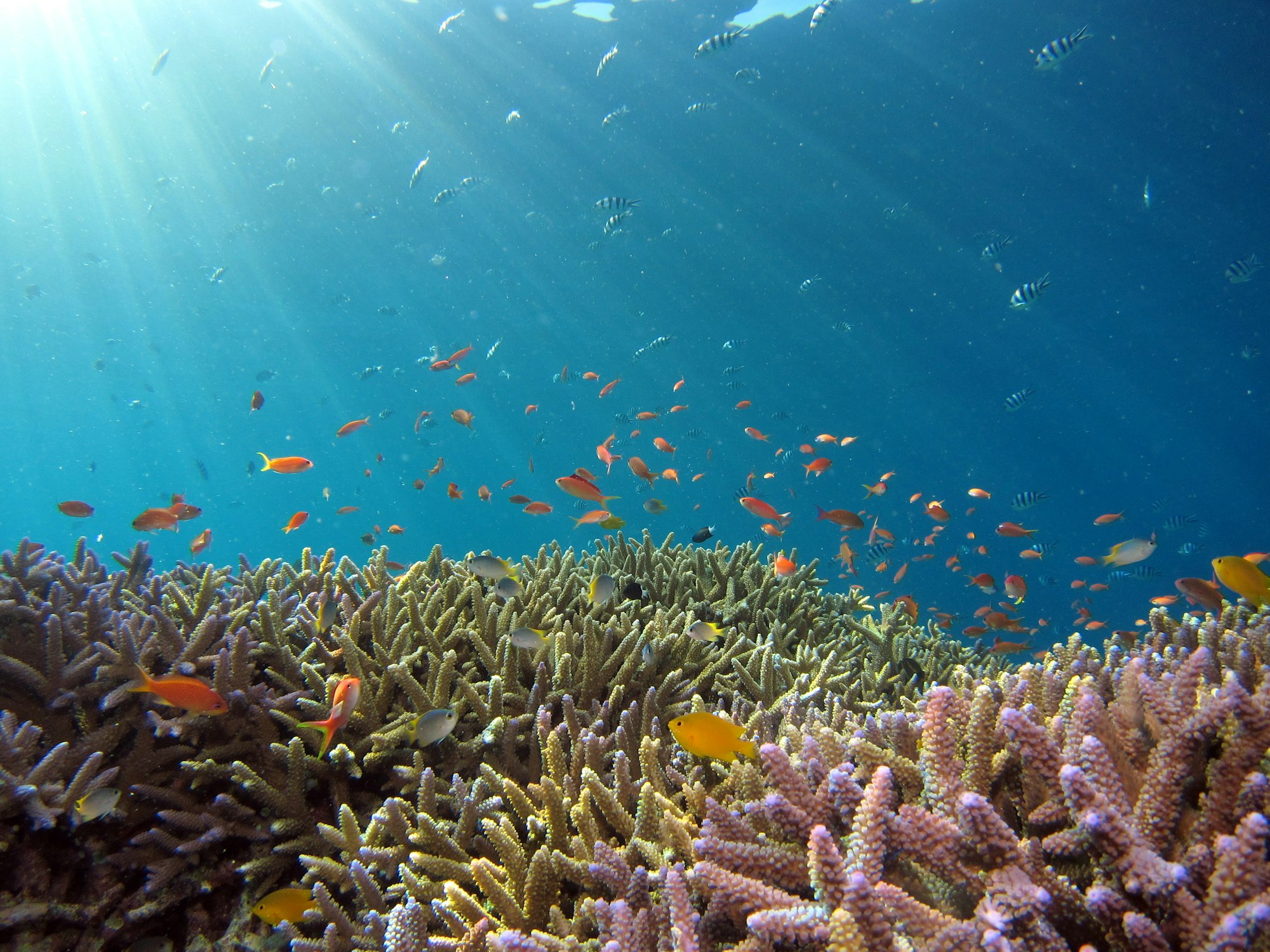
The outer reef position brings pelagic species to the reef edge regularly. Schools of barracuda gather in the mid-water above the reef during certain seasons, and Spanish mackerel pass through on hunting runs. The reef itself hosts the typical northern GBR assemblage: coral grouper, large wrasse including Napoleon wrasse, sweetlips, and batfish in the mid-water. Sea turtles are consistent grazers along the reef top. The soft coral coverage on the deeper slope hosts nudibranchs and crinoids.
Dive Profile
A straightforward outer reef dive following the slope from the crest at 5 metres down to 18 metres and back. The reef crest zone is particularly productive with its high light levels and dense fish activity. Spend the majority of bottom time at 10–15 metres where the reef structure is most varied.
Entry and Exit
Boat access from Lizard Island resort or liveaboard operators. Typically a moored dive with entry by giant stride and exit via boat ladder or platform.
Tips and Recommendations
- Look for cleaning stations along the reef — large fish queue patiently at these points and are uncharacteristically approachable
- The reef crest in the first few metres is excellent for snorkellers and less confident divers
- Check with the boat crew for current direction before descent — the dive plan should account for drift along the reef
Safety Considerations
Standard outer reef dive site. Sun protection is critical in tropical Queensland. Tidal currents on the outer reef can increase rapidly — monitor the conditions on descent and signal the boat if current is unexpectedly strong.
Photography
Troppo’s offers good opportunities for wide-angle reef photography, particularly on the outer slope where the full depth range of the reef is visible. Schools of barracuda and batfish provide dramatic schooling fish images. Natural light is excellent throughout the morning at this depth range.
Sources: Dive the World - Great Barrier Reef, Cairns Dive Adventures, Great Barrier Reef Tours. Last updated 2026-05-30.
Sea-surface temperature and wave height from Open-Meteo Marine (ERA5 reanalysis, monthly averages).
5294 verified species observations (205 species) logged within ~11 km of this site between 1928 and 2024, from the Ocean Biodiversity Information System.
- Pomacentrus philippinus
- Gomphosus varius
- Dascyllus reticulatus
- Chlorurus sordidus
- Plectroglyphidodon dickii
- Chaetodon baronessa
- Rhincodon typus · whale shark
- Hemigymnus fasciatus
- Monotaxis grandoculis
- Chrysiptera rex
- Plectroglyphidodon fasciolatus
- Acanthurus nigrofuscus
Scientific survey records skew toward sampled taxa (molluscs, corals) and do not reflect what you are guaranteed to see on a dive.
Source: OBIS (obis.org), aggregated Darwin Core occurrence records.
Conditions change with the tide and the season. If you have dived this site, share what it was actually like — date, visibility, current, and what you saw. Real, recent reports from divers are exactly what this guide is built to collect.
Send a conditions report ›