Kandoma Beru
3.8990°N 73.4738°E · reef
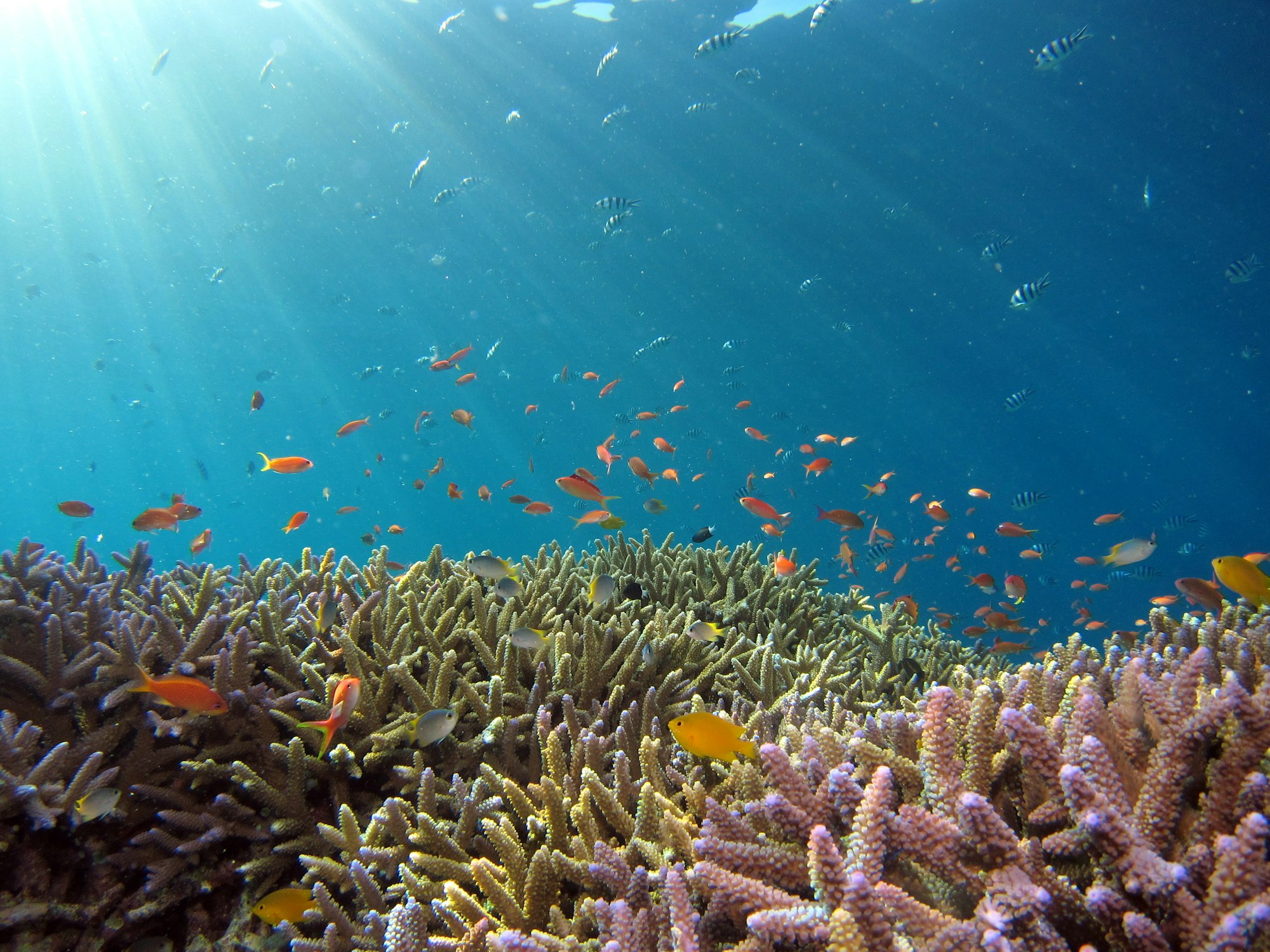
Kandoma Beru is an outer reef dive near Kandoomaafushi in South Male Atoll — “beru” meaning the ocean-facing side — presenting a richly decorated reef slope with consistent shark action on the more exposed outer face.
Overview
Beru (outer ocean side) dives in the Maldives typically mean exposure to the full force of the Indian Ocean, and Kandoma Beru delivers on this character with a dramatic outer reef that slopes from a shallow crest at 5 metres to around 25 metres. The outer wall sees stronger nutrient flow than the sheltered lagoon side, which translates to denser soft coral and sea fan growth, particularly in the 15–22 metre range. Grey reef sharks are a reliable presence along the outer wall, often seen cruising just beyond the reef edge in open water. The upper crest, where hard corals dominate, attracts hawksbill turtles and large parrotfish. Schools of snapper congregate in the shallower sections, while Napoleon wrasse patrol the mid-depths. Occasional currents along the outer face can be used for gentle drift along the reef. Visibility reaches 20–30 metres in clear oceanic conditions. Water temperature averages 27–29°C.
Site Information
- Location: Maldives, Asia
- Entry Type: Boat dive
- Depth: Up to 25m
- Difficulty: Intermediate
- Site Type: Reef
Marine Life
Grey reef sharks, hawksbill turtles, Napoleon wrasse, large parrotfish, snapper schools, sea fans, soft corals, and moray eels in reef crevices.
Diving Conditions
| Condition | Details |
|---|---|
| Visibility | 20–30m |
| Current | Light to moderate |
| Water Temp | 27–29°C |
| Best Season | November–April |
Tips for Divers
The exposed outer position gives this site excellent visibility compared to more sheltered inner reef dives. Time the dive for slack current or gentle incoming tide for the most comfortable dive and best shark encounters on the wall.
Sea-surface temperature and wave height from Open-Meteo Marine (ERA5 reanalysis, monthly averages).
64 verified species observations (41 species) logged within ~11 km of this site between 1984 and 2023, from the Ocean Biodiversity Information System.
- Ascidiacea
- Gempylus serpens
- Phyllidia alyta
- Pteraeolidia ianthina
- Phyllidiella rosans
- Goniobranchus tritos
- Phyllidiella zeylanica
- Phyllidia exquisita
- Coriocella hibyae
- Phyllidia ocellata
- Melithaea
- Astrogorgia
Scientific survey records skew toward sampled taxa (molluscs, corals) and do not reflect what you are guaranteed to see on a dive.
Source: OBIS (obis.org), aggregated Darwin Core occurrence records.
Conditions change with the tide and the season. If you have dived this site, share what it was actually like — date, visibility, current, and what you saw. Real, recent reports from divers are exactly what this guide is built to collect.
Send a conditions report ›