Vaageli Caves
3.9145°N 73.3514°E · cave
Vaageli Caves is a cave and overhang complex integrated into the outer reef of South Male Atoll’s Vaageli reef system. Multiple cave openings at different depths provide varied entry and exit options, from shallow light-flooded chambers to deeper, more committed passages that require proper cave diving technique.
Site Conditions
- Depth range: 10–25 m
- Typical visibility: 15–25 m outside; variable inside
- Currents: Mild; surge possible at exposed cave mouths
- Best season: November–April for optimal outside conditions
What to Expect
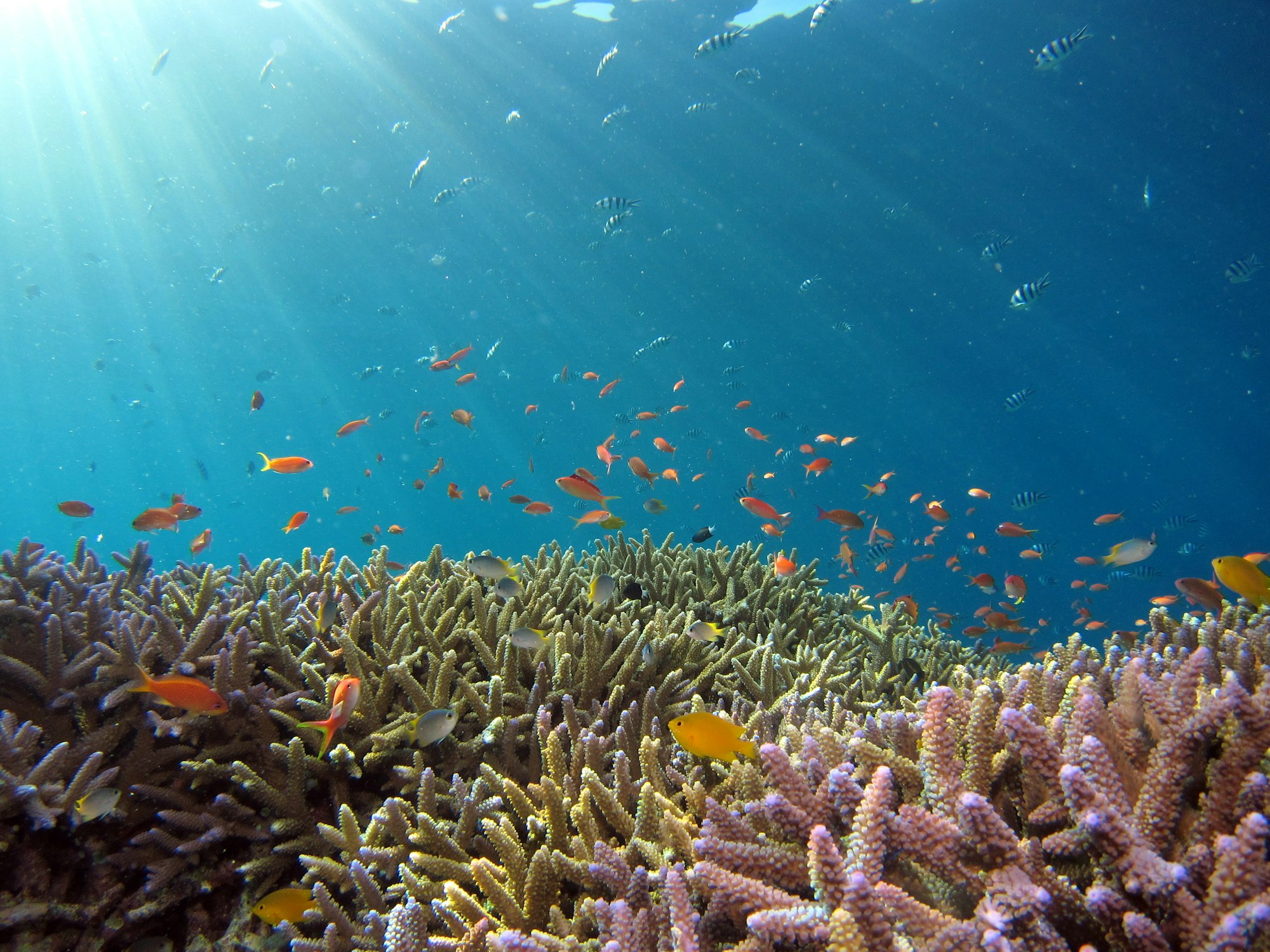
The caves are characterised by wide, light-filled entry chambers that narrow into passages decorated with encrusting corals, sponges, and feather stars. Glassfish schools fill the entrance zones, creating spectacular light diffusion effects in mid-morning light. Larger chambers inside shelter resting nurse sharks and grouper, while the cave walls support moray eels and lobsters in every available crevice. The outer reef immediately surrounding the cave entrances hosts grey reef sharks, Napoleon wrasse, and the typical cast of South Male Atoll reef species. The cave system connects to the Vaageli reef complex, making it an excellent complement to an outer-wall dive at the adjacent sites.
Tips for Divers
A primary torch is mandatory for deeper passages. The rule of thirds should be applied carefully — the cave complex is not overhead to the degree of true cave diving, but some passages require navigation in low ambient light. The shallower, daylit chambers are accessible to advanced open-water divers; only the deepest committed passages require full cave training. Pair this site with Vaageli Outside or Vaageli Corner for a full day’s diving on the Vaageli reef system.
Sea-surface temperature and wave height from Open-Meteo Marine (ERA5 reanalysis, monthly averages).
54 verified species observations (38 species) logged within ~11 km of this site between 1987 and 2023, from the Ocean Biodiversity Information System.
- Gnatholepis
- Trimma emeryi
- Trimma flammeum
- Trimma striatum
- Eviota nebulosa
- Trimma naudei
- Styelidae
- Phyllidia alyta
- Aplysia nigrocincta
- Thorunna australis
- Pteraeolidia ianthina
- Mariaglaja inornata
Scientific survey records skew toward sampled taxa (molluscs, corals) and do not reflect what you are guaranteed to see on a dive.
Source: OBIS (obis.org), aggregated Darwin Core occurrence records.
Conditions change with the tide and the season. If you have dived this site, share what it was actually like — date, visibility, current, and what you saw. Real, recent reports from divers are exactly what this guide is built to collect.
Send a conditions report ›