Sand Bar
7.2708°N 134.2448°E · reef
Sand Bar
Palau’s premier manta ray encounter site at the mouth of German Channel, where rays visit a cleaning station on a sandy plateau at 18–22 meters
Overview
Sand Bar sits at the mouth of German Channel — a passage artificially blasted through the coral reef by German colonists in 1908–1911 to shorten the phosphate transport route from Angaur Island to Koror. The channel cut created a passage that manta rays and other pelagics use as a shortcut through the reef. At the channel mouth, a sandy plateau at 18–22 meters depth with scattered rocky coral outcrops hosts a manta ray cleaning station, where cleaner wrasses service mantas that hover motionless over the coral heads. This is one of the most consistent manta ray sites in Palau. Peak manta activity runs from approximately November to May, with December through March typically the most productive months. Note: sources confirm manta rays visit this site but do not consistently specify whether these are reef mantas (Mobula alfredi) or oceanic mantas (Mobula birostris) — both have been referenced in the broader German Channel literature without clear attribution to individual dive reports.
Site Information
- Location: German Channel mouth, Rock Islands, Palau, Micronesia
- Entry Type: Boat dive
- Site Type: Reef
- Difficulty Level: Intermediate
- Maximum Depth: 22 meters
- Typical Visibility: 10–25 meters (30–80 feet)
- Current: Light to moderate; incoming tide preferred for manta encounters
- Best Time: November–May; peak December–March
Marine Life
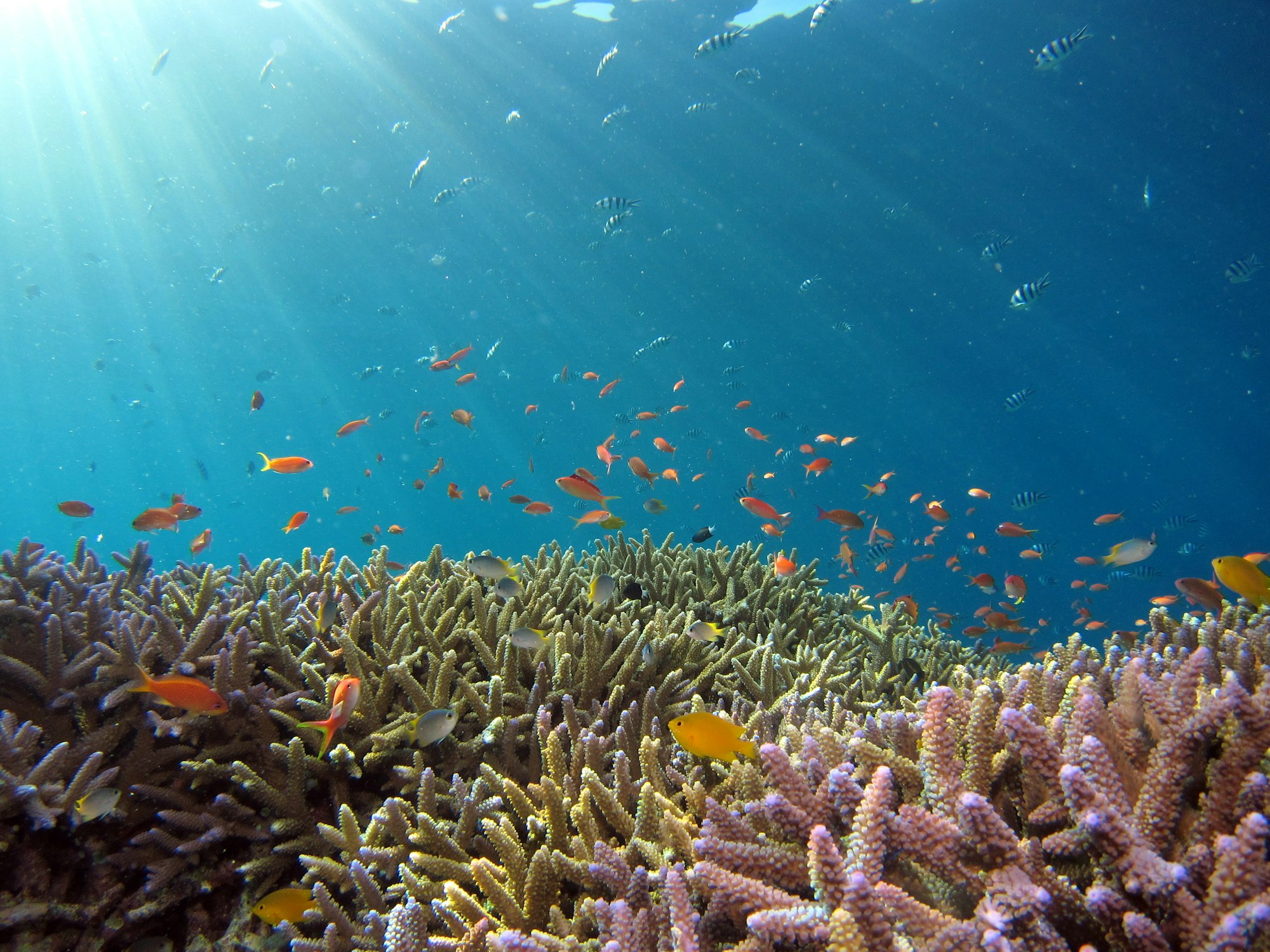
Manta rays are the headline attraction, visiting the cleaning station where cleaner wrasses service them. Barracuda, lionfish, schooling black snapper, trevally, and hawksbill turtles are also documented at this site by multiple sources. Titan triggerfish patrol the reef outcrops. The sandy bottom and coral bommies support typical Rock Islands reef fish populations. Garden eels extend from the sandy areas away from the cleaning station. Note: specific species claims beyond those listed above were not confirmed at this specific site by three independent sources and have been removed from this description.
Dive Profile
Descend to the sandy bottom at 18–22 meters near the cleaning station coral heads. Divers settle on the sand (avoid kneeling directly on reef) or hover just above the bottom and wait for the mantas to arrive. Patience is essential — mantas may take time to appear, or may already be circling on descent. After the manta encounter, divers can explore the surrounding reef and sand flats before ascending. Total bottom time is typically 50–65 minutes. Safety stop at 5 meters in the channel.
Entry and Exit
Boat dive from Koror (approximately 30 minutes). Entry by giant stride into the channel. The boat typically anchors or holds position near the cleaning station. Exit is usually back to the anchored boat, though drift pickups may be necessary if current carries divers through the channel.
Tips and Recommendations
- Dive on an incoming tide for the best chance of manta encounters at the cleaning station
- Stay low and still — mantas will approach closely if divers are calm and quiet
- Never chase or reach toward the mantas, as this will drive them away from the station
- Palau has strict marine interaction guidelines enforced by dive operators
- Afternoon dives can be productive when morning boats have departed and the station is quieter
Safety Considerations
Currents through the channel can be stronger than expected, particularly on spring tides. The sandy bottom can reduce visibility when divers fin carelessly near the bottom — use gentle, controlled movements. Maintain a respectful distance from the mantas and never block their path to the cleaning station. The current and the need for precise buoyancy near the cleaning corals require solid intermediate skills.
Photography
A wide-angle or fisheye lens is essential for manta photography. Shoot upward as mantas pass overhead for dramatic belly shots against the blue water. If a manta hovers at the cleaning station, a close-focus wide-angle setup can capture both the manta and the cleaner wrasses in frame. Patience yields the best shots — stay in position and let the mantas come to you.
Sources: Palau Dive Adventures – German Channel History, DivePlanit – German Wall Manta Cleaning Station, Must See Spots – German Channel Guide. Last updated 2026-06-25.
Sea-surface temperature and wave height from Open-Meteo Marine (ERA5 reanalysis, monthly averages).
3844 verified species observations (324 species) logged within ~11 km of this site between 1953 and 2012, from the Ocean Biodiversity Information System.
- Acanthurus nigricauda
- Parupeneus multifasciatus
- Chaetodon ephippium
- Chaetodon lunulatus
- Aphareus furca
- Scolopsis bilineata
- Scarus schlegeli
- Heniochus chrysostomus
- Eviota
- Hemigymnus melapterus
- Heniochus varius
- Gnathodentex aureolineatus
Scientific survey records skew toward sampled taxa (molluscs, corals) and do not reflect what you are guaranteed to see on a dive.
Source: OBIS (obis.org), aggregated Darwin Core occurrence records.
Conditions change with the tide and the season. If you have dived this site, share what it was actually like — date, visibility, current, and what you saw. Real, recent reports from divers are exactly what this guide is built to collect.
Send a conditions report ›