The Big Drop Off
7.1014°N 134.2497°E · wall
The Big Drop Off
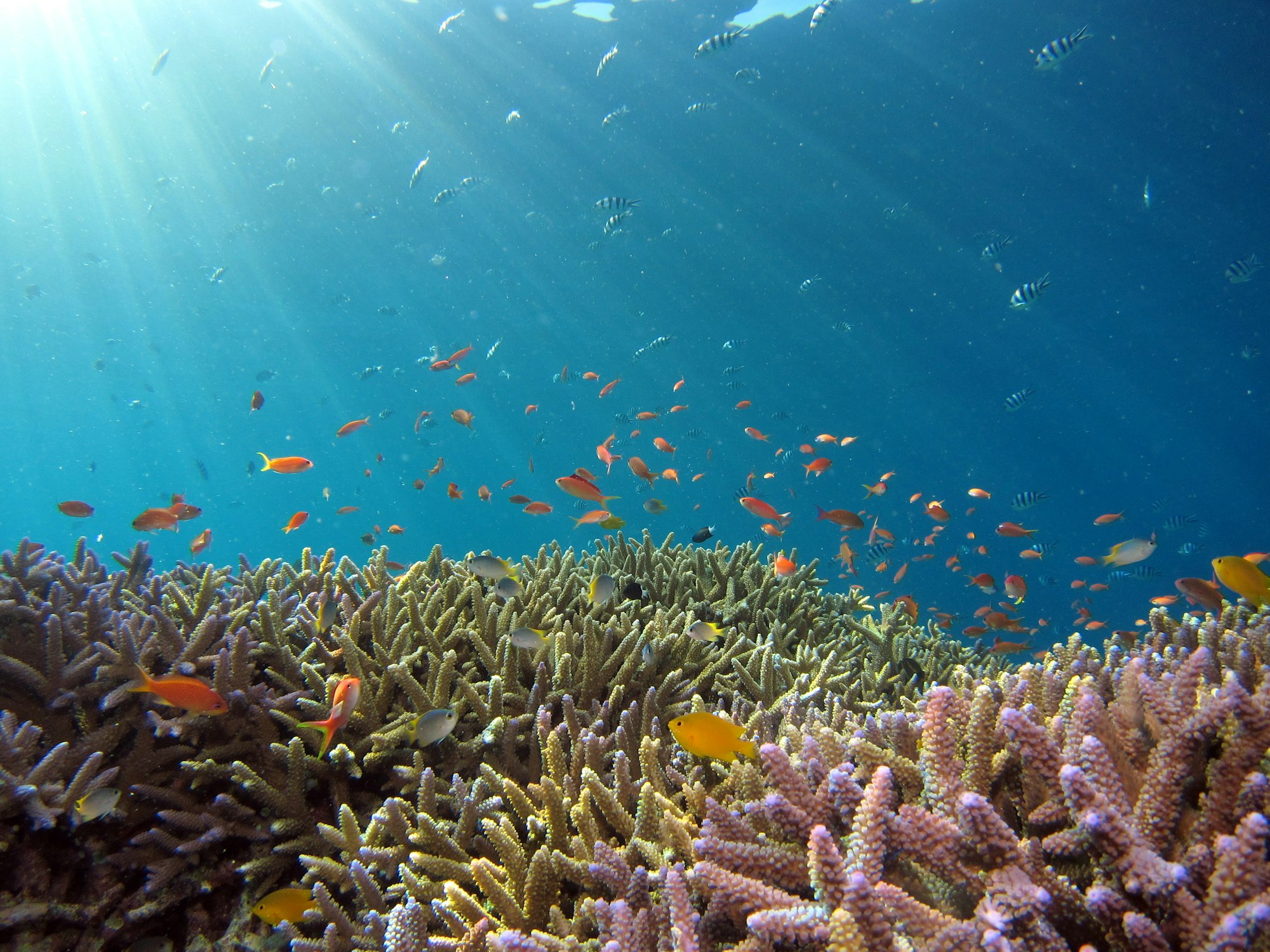
A sheer vertical wall on the southwestern side of Ngemelis Island draped in violet and pink soft corals and giant sea fans, regularly appearing on lists of Palau’s top five dives
Overview
The Big Drop Off is a wall dive on the southwestern face of Ngemelis Island, approximately 24 miles from Koror — a 40–50 minute speedboat ride. The wall drops from 3 feet (1 meter) at the reef crest to nearly 900 feet at the ocean floor. Practical diving occurs between 3–100 feet (1–30 meters), with most divers working the 40–60 foot range for the best soft coral and sea fan displays. Soft corals in deep violet and hot pink cover the wall, with sea fans of varying sizes extending from the face. Leather corals are abundant in some areas. The site regularly appears on dive operators’ top-five lists for Palau. A notable historical feature sits near the eastern mooring buoy: a WWII-era 6-foot steel ball and chain at approximately 35 feet depth, originally used to block the German Channel passage.
Note: Palau Dive Adventures describes this site as on the “southwestern” side of Ngemelis, while some sources differ on the precise orientation — local conditions may vary by access point.
Site Information
- Location: Southwestern Ngemelis Island, Rock Islands, Palau, Micronesia
- Entry Type: Boat dive
- Site Type: Wall dive
- Difficulty Level: Intermediate
- Maximum Depth: 18 meters
- Typical Visibility: 20–40 meters (65–130 feet)
- Current: Light to moderate; stronger with tidal exchange
- Best Time: Year-round; more sheltered than western wall sites
Marine Life
The wall supports dense soft corals and gorgonian sea fans providing habitat for pyramid butterflyfish, square anthias, Moorish idols, and yellowtail fusiliers — all documented at this site. Hawksbill turtles are regular visitors, feeding on sponges along the wall face. Grey reef sharks, whitetip reef sharks, and nurse sharks (documented by at least one operator source) patrol the wall. Leaf scorpionfish and stonefish are camouflaged on the reef structure. Camouflaged lionfish perch in overhangs. Anemonefish inhabit anemones on the reef top. The WWII ball and chain near the eastern mooring hosts encrusting marine growth.
Dive Profile
Entry onto the reef crest at 1–3 meters, then descend over the wall edge. The most productive diving is between 12–30 meters where soft coral growth is densest. The wall is nearly vertical, making depth control straightforward but requiring awareness as the bottom drops well below recreational limits. Swim along the wall face, looking into overhangs and crevices. Return to the reef top at 1–3 meters for a safety stop. Most dives are 50–60 minutes at a relaxed pace.
Entry and Exit
Boat dive from Koror or liveaboard; two mooring buoys. Entry by giant stride onto the reef top. Depending on current, this can be a return-to-boat dive or a gentle drift with SMB pickup. The more sheltered position generally makes entry and exit straightforward.
Tips and Recommendations
- Focus between 12–30 meters where soft coral growth is densest and most colourful
- Look carefully at the large sea fans for pygmy seahorses — they have been reported at this site by at least one operator
- Morning light illuminates the wall face beautifully for photography
- This is an excellent second dive after Blue Corner, as calmer conditions and a shallower profile allow longer bottom times
- Look for the WWII ball and chain near the eastern mooring buoy at approximately 35 feet
Safety Considerations
The sheer drop demands respect. Monitor your depth and avoid descending beyond planned limits. Currents are usually mild but can pick up. Maintain good buoyancy to avoid damaging the delicate soft corals and sea fans. Stay clear of the large sea fans — contact causes lasting damage. Carry an SMB for drift exits.
Photography
The soft coral and sea fan growth is best captured with wide-angle, positioned slightly off the wall to show the cascading corals against the deep blue. Backlighting sea fans with a strobe reveals their structure. Macro shooters should search the large fans for pygmy seahorses and wall crevices for nudibranchs. The reef top in shallow water offers excellent natural-light photography of hard coral formations.
Sources: Palau Dive Adventures – Big Drop Off, Fish N Fins Palau – Big Drop Off, Palau Bound – Big Drop Off. Last updated 2026-06-25.
Sea-surface temperature and wave height from Open-Meteo Marine (ERA5 reanalysis, monthly averages).
3230 verified species observations (344 species) logged within ~11 km of this site between 1954 and 2014, from the Ocean Biodiversity Information System.
- Chlorurus sordidus
- Chaetodon ephippium
- Trimma benjamini
- Leiuranus semicinctus
- Chaetodon kleinii
- Callogobius
- Hemigymnus melapterus
- Scarus dimidiatus
- Ctenochaetus striatus
- Parupeneus multifasciatus
- Eviota pellucida
- Halichoeres
Scientific survey records skew toward sampled taxa (molluscs, corals) and do not reflect what you are guaranteed to see on a dive.
Source: OBIS (obis.org), aggregated Darwin Core occurrence records.
Conditions change with the tide and the season. If you have dived this site, share what it was actually like — date, visibility, current, and what you saw. Real, recent reports from divers are exactly what this guide is built to collect.
Send a conditions report ›