Lapus-Lapus 2
11.3485°N 124.1023°E · pinnacle
Lapus-Lapus 2 is the second of the Lapus-Lapus pinnacle cluster off northwest Malapascua Island, a series of submerged rock pinnacles that rise from the seafloor and create the concentrated marine life typical of isolated structure diving in Philippine waters.
Overview
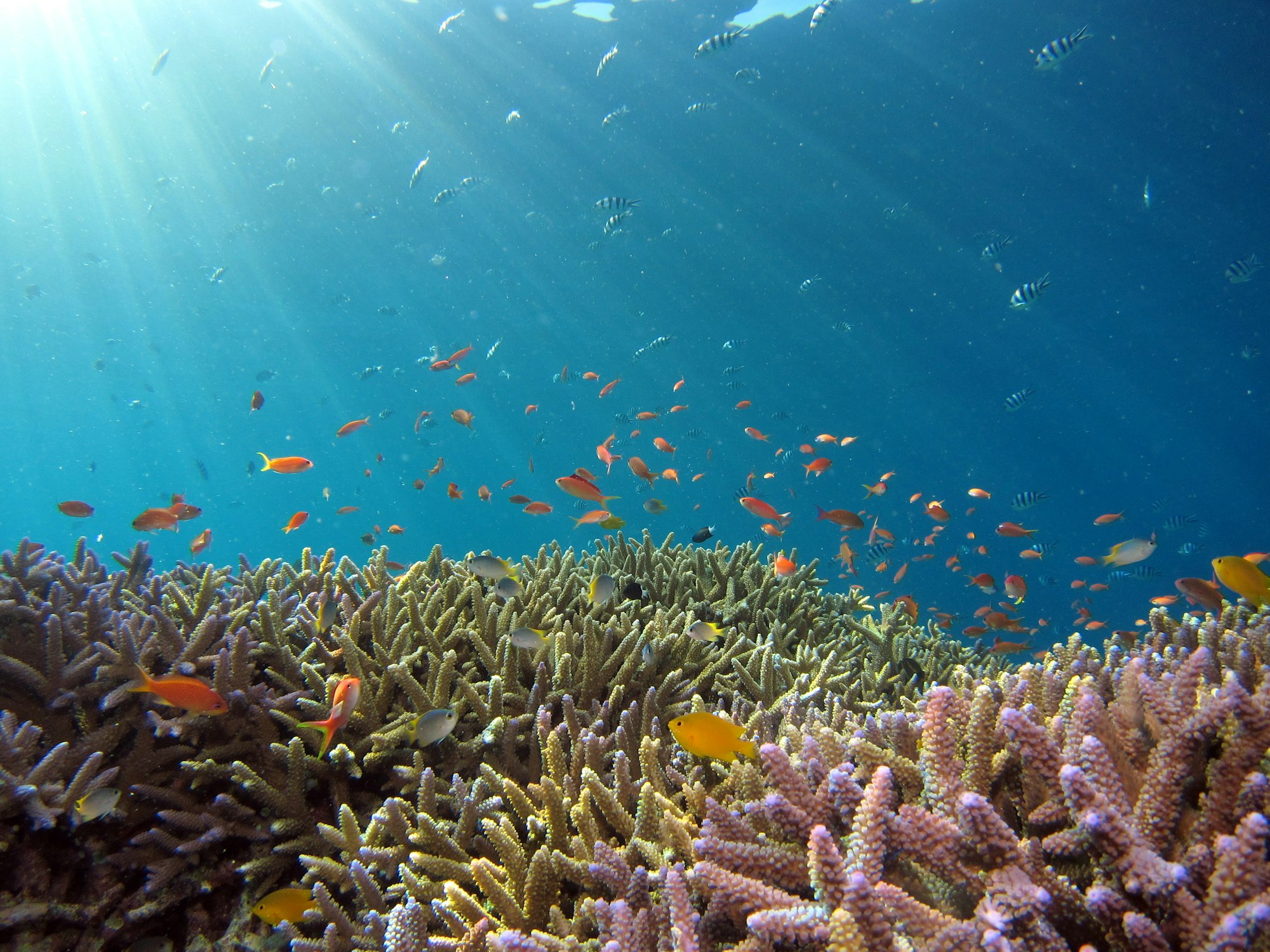
The Lapus-Lapus sites are among the lesser-visited dive destinations around Malapascua Island, sitting in the shadow of the globally famous Monad Shoal thresher shark dives. However, the pinnacle structure at Lapus-Lapus 2 delivers a different type of diving experience — encrusted with hard and soft corals, sea fans, and sponges, and surrounded by the open water that attracts passing pelagics. The pinnacle drops from near-surface level down to 30 meters, with the most productive diving in the 10–25 meter range where coral growth is densest. The site’s character resembles other Philippine pinnacle dives with strong current potential and corresponding fish aggregations.
Site Information
- Location: Northwest Malapascua Island, Philippines
- Entry Type: Boat dive
- Site Type: Pinnacle/seamount
- Difficulty Level: Intermediate
- Maximum Depth: 30 meters
- Typical Visibility: 10-20 meters
- Current: Variable; can be moderate to strong
- Best Time: March to June
Marine Life
Pinnacle structures in the Malapascua area support populations of sea snakes, which are harmless and commonly encountered in these waters. Lionfish occupy crevices throughout the structure. Barracuda schools and trevally patrol in the water column around the pinnacle. Sea turtles may be found resting on the shallow sections. The pinnacle’s isolated structure in open water occasionally draws in more unusual visitors from the surrounding sea.
Dive Profile
Descend to the base of the pinnacle at 25–30 meters and work upward in a spiral, covering the full circumference. The pinnacle’s sides are productive throughout, but the 15–25 meter zone typically has the densest coral growth and associated fish communities. Finish the dive on the shallow pinnacle top for the safety stop.
Entry and Exit
Short banca ride from Malapascua Island resorts. Entry by giant stride; return to the banca by ladder. Deploy SMB before ascending.
Tips and Recommendations
- Combine with a Monad Shoal morning dive for a full Malapascua diving day
- The Lapus-Lapus sites are less busy than the main Malapascua sites, offering more personal space underwater
- Currents here are intermittent — be prepared for current to pick up mid-dive
- Bring wide-angle for the pinnacle structure and macro for the encrusting life
- Ask your dive guide about recent sightings — sea snake encounters are common in the area
Safety Considerations
The 30-meter depth requires monitoring of no-decompression limits. Currents can strengthen around pinnacles. Carry an SMB and be prepared for the possibility of a drift ascent if current is running at depth.
Photography
The pinnacle structure makes for dramatic wide-angle shooting, particularly from below looking up. Sea fans and soft corals on the deeper sections provide colourful details. Sea snake encounters, if they occur, make striking and unusual subjects.
Sources: Malapascua Thresher Shark Divers - Dive Sites, ZuBlu Thresher Sharks of Malapascua, Thresher Shark Divers Resort, Diving Squad Malapascua Guide, Divernet Malapascua Diving Guide. Last updated 2026-04-04.
Sea-surface temperature and wave height from Open-Meteo Marine (ERA5 reanalysis, monthly averages).
584 verified species observations (210 species) logged within ~11 km of this site between 1908 and 2025, from the Ocean Biodiversity Information System.
- Alopias pelagicus
- Sphenanthias
- Cetorhinus maximus
- Bathycongrus
- Clavelina moluccensis
- Goniobranchus reticulatus · チリメンウミウシ
- Nembrotha cristata · トサカリュウグウウミウシ
- Thuridilla lineolata · ソライロミドリガイ
- Hypselodoris variobranchia · カグヤヒメウミウシ
- Nembrotha mullineri
- Tambja morosa · ミドリリュウグウウミウシ
- Nembrotha milleri · ミラーリュウグウウミウシ
Scientific survey records skew toward sampled taxa (molluscs, corals) and do not reflect what you are guaranteed to see on a dive.
Source: OBIS (obis.org), aggregated Darwin Core occurrence records.
Conditions change with the tide and the season. If you have dived this site, share what it was actually like — date, visibility, current, and what you saw. Real, recent reports from divers are exactly what this guide is built to collect.
Send a conditions report ›