North Point
11.3468°N 124.1056°E · pinnacle
North Point is an advanced pinnacle dive on the northern tip of Malapascua Island, where the confluence of currents from the Visayan Sea creates one of the more dynamic diving experiences in the area and regularly attracts pelagic species.
Overview
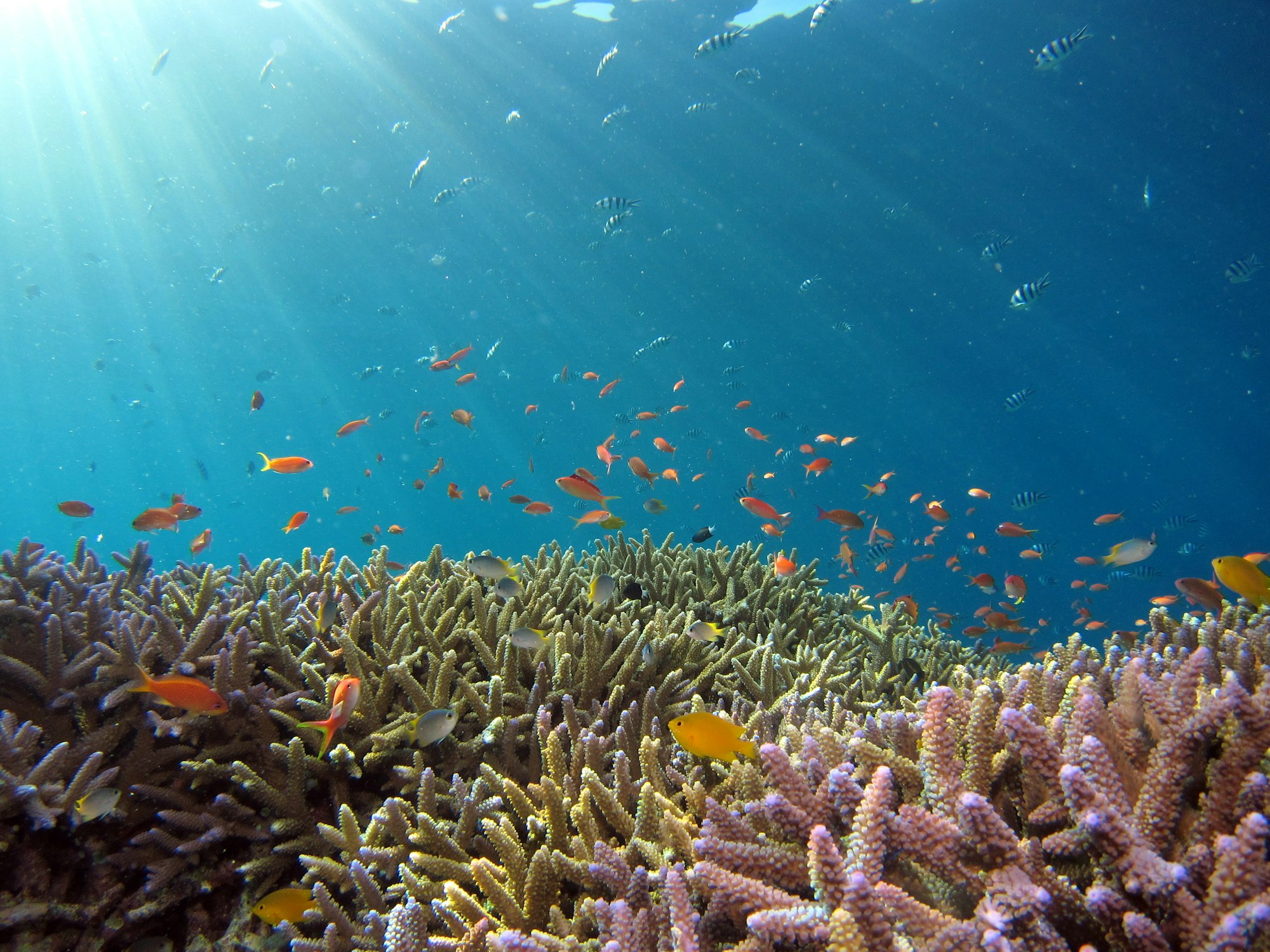
The northern point of Malapascua Island is exposed to open ocean conditions from the Visayan Sea, making it a significantly more challenging site than the sheltered reefs on the island’s leeward sides. The pinnacle structure here drops from the surface to 35 meters, with the upper sections heavily encrusted with soft corals, sea fans, and hard coral formations that thrive in the current-swept environment. The exposure to open-sea currents is the site’s defining characteristic — when currents are running, fish life concentrates dramatically along the pinnacle faces, creating spectacular schooling fish displays. The deeper sections at 25–35 meters are where the most impressive pelagic activity occurs, making this primarily a destination for experienced divers with strong buoyancy control.
Site Information
- Location: Northern tip of Malapascua Island, Philippines
- Entry Type: Boat dive
- Site Type: Pinnacle/seamount
- Difficulty Level: Advanced
- Maximum Depth: 35 meters
- Typical Visibility: 10-25 meters
- Current: Often strong; north-facing open ocean exposure
- Best Time: March to June (typically calmer north-facing conditions)
Marine Life
When current is running at North Point, the site delivers exceptional fish life. Large schools of barracuda and jacks circle the pinnacle. Whitetip reef sharks are resident and frequently seen resting under ledges. Hammerhead sharks occasionally appear in the deeper water below the pinnacle. Dogtooth tuna and other open-ocean predators hunt around the current-exposed tip. Sea snakes are common in the area.
Dive Profile
Current management is the key skill at North Point. Descend quickly to the planned depth and position yourself on the sheltered side of the pinnacle. When current is strong, use the pinnacle as a reference to hold position and observe fish activity on the current-facing side. The working depth of 25–35 meters limits bottom time — plan carefully and ascend conservatively. The shallow sections above 15 meters allow time to equalise air before the safety stop.
Entry and Exit
Accessible by banca from Malapascua. Conditions should be assessed before committing to this site — strong surface swells or unpredictable current may warrant diving an alternative site. Entry by negative descent; SMB essential for ascent when current is running.
Tips and Recommendations
- Only attempt North Point on days when your guide confirms conditions are appropriate
- The strongest currents produce the best fish action — but require advanced current management skills
- A reef hook is useful for resting while observing schooling fish without affecting the reef
- The deeper sections are where the most impressive activity occurs; plan your dive to spend time at 25–35 meters
- This is one of the few Malapascua sites where hammerhead sightings occur regularly, though not on every dive
Safety Considerations
Advanced currents, 35-meter depth, and open-ocean exposure make this a genuinely demanding dive. Only experienced divers with strong buoyancy control and current diving skills should attempt North Point. Dive with an experienced local guide. Always carry an SMB. Conditions can change rapidly at this exposed northern point.
Photography
The strong current brings dramatic fish schooling scenes that are exceptional photographic subjects. Wide-angle shooting of barracuda and jack schools against the pinnacle face is the highlight. Shark portraits in the deeper sections are possible on days when the large animals are present and approachable.
Sources: Malapascua Thresher Shark Divers - Dive Sites, ZuBlu Thresher Sharks of Malapascua, Thresher Shark Divers Resort, Diving Squad Malapascua Guide, Divernet Malapascua Diving Guide. Last updated 2026-04-04.
Sea-surface temperature and wave height from Open-Meteo Marine (ERA5 reanalysis, monthly averages).
583 verified species observations (210 species) logged within ~11 km of this site between 1908 and 2025, from the Ocean Biodiversity Information System.
- Alopias pelagicus
- Sphenanthias
- Cetorhinus maximus
- Bathycongrus
- Clavelina moluccensis
- Goniobranchus reticulatus · チリメンウミウシ
- Nembrotha cristata · トサカリュウグウウミウシ
- Thuridilla lineolata · ソライロミドリガイ
- Hypselodoris variobranchia · カグヤヒメウミウシ
- Nembrotha mullineri
- Tambja morosa · ミドリリュウグウウミウシ
- Nembrotha milleri · ミラーリュウグウウミウシ
Scientific survey records skew toward sampled taxa (molluscs, corals) and do not reflect what you are guaranteed to see on a dive.
Source: OBIS (obis.org), aggregated Darwin Core occurrence records.
Conditions change with the tide and the season. If you have dived this site, share what it was actually like — date, visibility, current, and what you saw. Real, recent reports from divers are exactly what this guide is built to collect.
Send a conditions report ›