Amos Rock
8.8667°N 119.8833°E · wall
Amos Rock is a wall dive site in Philippines Tubbataha Reefs, Asia.
Overview
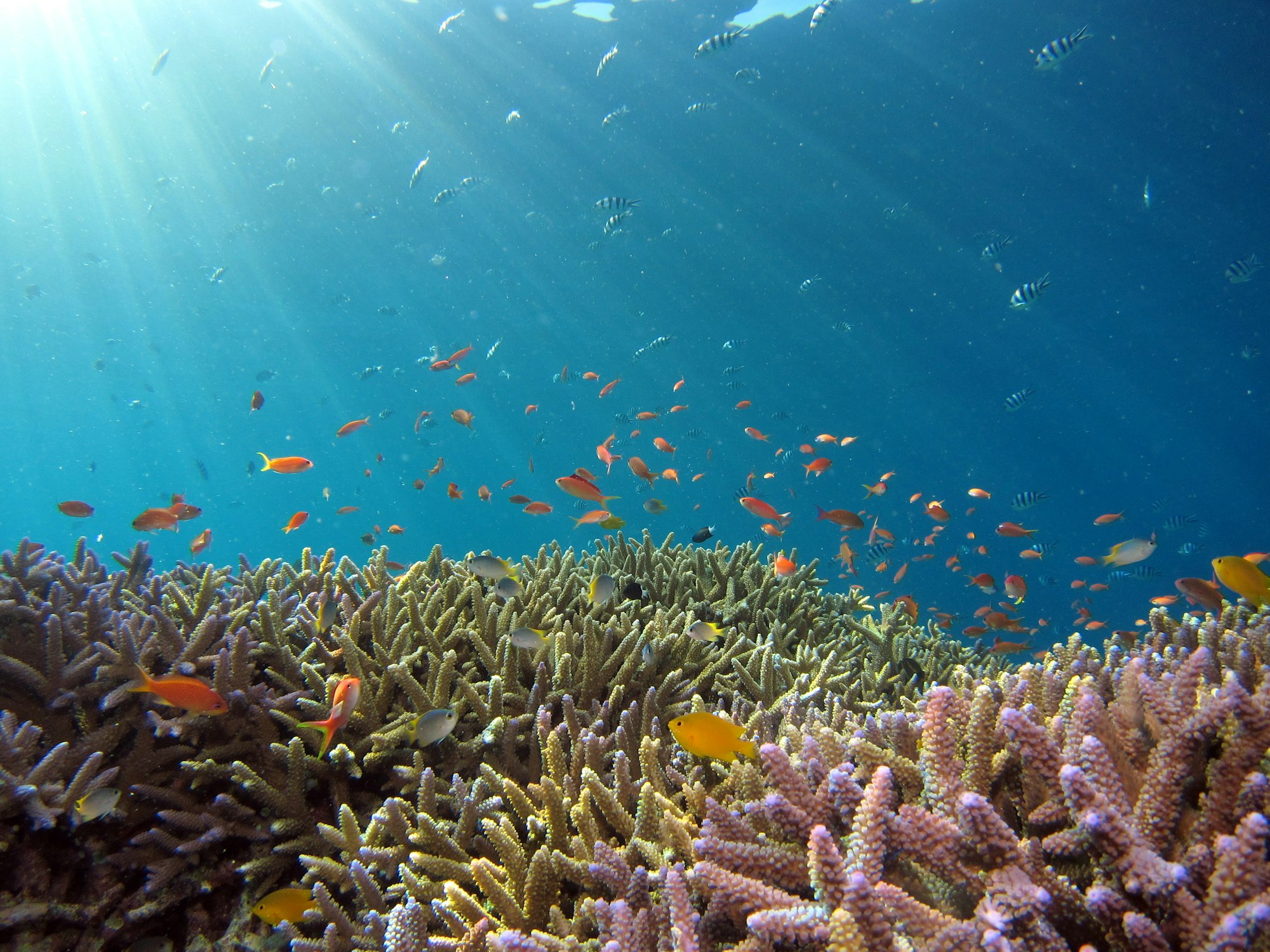
Amos Rock is a North Atoll landmark — named for the midnight snappers that school around a distinctive rocky formation at 5 meters — where a coral-covered slope transitions into a wall densely packed with gorgonian fans, purple sea fans, and whip corals. Grey reef and whitetip sharks are reliably present when current is running, alongside dog-toothed tuna, eagle rays, napoleon wrasse, and both pickhandle and great barracuda patrolling the wall. Night dives reveal an entirely different world: lobsters, flatworms, nudibranchs, and pygmy seahorses tucked into the gorgonian fans make this an essential stop on any Tubbataha itinerary.
Site Information
- Location: Philippines Tubbataha Reefs, Asia
- Entry Type: liveaboard
- Site Type: Wall dive
- Difficulty Level: Advanced
- Maximum Depth: 20 meters
Marine Life
Amos Rock is a standout shark site on the North Atoll, with grey reef sharks and whitetip reef sharks reliably patrolling the current-swept wall alongside dogtooth tuna, eagle rays, and both pickhandle and great barracuda. Napoleon wrasse are a near-constant presence at the wall top, and large schools of midnight snappers aggregate around the distinctive rock formation that gives the site its name. Night dives reveal a second life — lobsters, flatworms, ornate nudibranchs, and pygmy seahorses tucked into the gorgonian fans become the focus after dark.
Sources: Bluewater Dive Travel Tubbataha Reef, Divehappy Tubbataha Reef Guide, Dive The World Tubbataha Philippines, WWF Tubbataha Reef Diving, Guide to the Philippines Tubbataha Diving. Last updated 2026-04-04.
Sea-surface temperature and wave height from Open-Meteo Marine (ERA5 reanalysis, monthly averages).
145514 verified species observations (62 species) logged within ~11 km of this site between 2023 and 2023, from the Ocean Biodiversity Information System.
- Chordata
- Mammalia
- Actinopteri
- Chlorurus
- Naso
- Caesio lunaris
- Chrysiptera
- Lutjanus bohar
- Scarus
- Parupeneus indicus
- Oxycheilinus bimaculatus
- Chrysiptera brownriggii
Scientific survey records skew toward sampled taxa (molluscs, corals) and do not reflect what you are guaranteed to see on a dive.
Source: OBIS (obis.org), aggregated Darwin Core occurrence records.
Conditions change with the tide and the season. If you have dived this site, share what it was actually like — date, visibility, current, and what you saw. Real, recent reports from divers are exactly what this guide is built to collect.
Send a conditions report ›