Ko-ok
8.8417°N 119.8583°E · reef
Ko-ok is a celebrated dive site on North Atoll in the Tubbataha Reefs Natural Park, located on the northern platform of the North Atoll reef system and known as one of Tubbataha’s most reliably spectacular sites for large animal encounters.
Overview
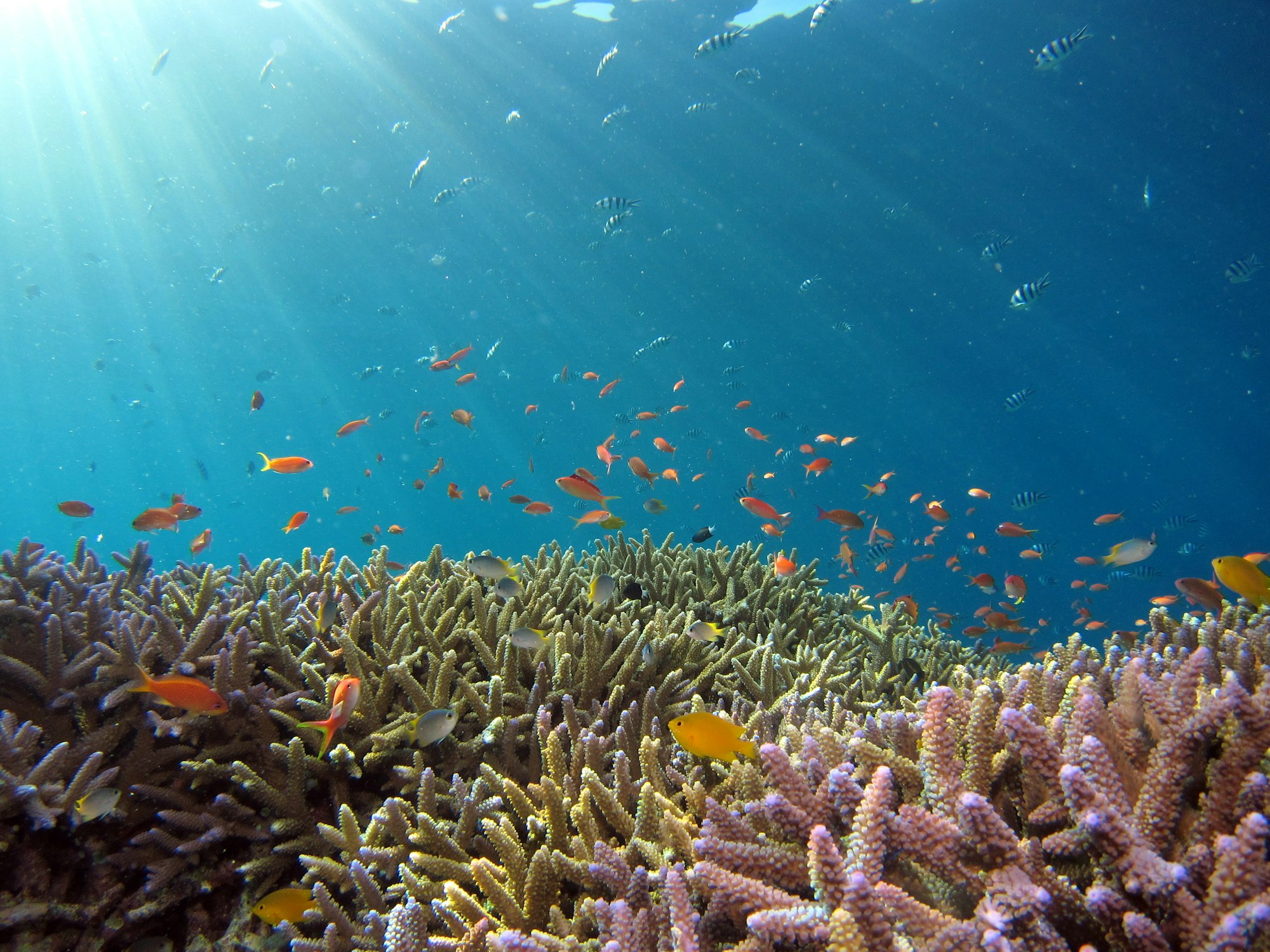
The Tubbataha North Atoll is a large coral structure enclosing a lagoon, and Ko-ok sits on the northern section of this structure. The site features a coral reef that drops away from the shallow lagoon platform into the deep Sulu Sea, creating a classic wall diving environment enriched by the UNESCO-protected ecosystem’s exceptional biodiversity. Ko-ok’s reputation among Tubbataha liveaboard divers centres on consistently high numbers of reef sharks and pelagic species that congregate along the wall. The wall structure below 15 meters is covered in sea fans, soft corals, and sponges, providing a richly textured background for fish photography. Visibility in clear conditions routinely exceeds 30 meters, allowing appreciation of the full scale of the underwater landscape.
Site Information
- Location: North Atoll, Tubbataha Reefs Natural Park, Sulu Sea, Philippines
- Entry Type: liveaboard
- Site Type: Reef
- Difficulty Level: Advanced
- Maximum Depth: 25 meters
- Typical Visibility: 20-35 meters
- Current: Variable; wall current can be strong
- Best Time: March to June
Marine Life
Ko-ok delivers the iconic Tubbataha marine life experience. Whitetip reef sharks circle below in significant numbers — multiple individuals visible simultaneously is a normal dive here. Grey reef sharks make appearances on the deeper wall sections. Napoleon wrasse and large grouper are resident. Green and hawksbill sea turtles are consistently present. Schools of barracuda and jacks sweep along the wall face in synchronised formations. Manta rays visit the site, particularly during the March and April peak of the manta season. Whale sharks are occasional visitors.
Dive Profile
Drift along the wall from north to south with the prevailing current, keeping the wall on one side at 15–25 meters. The most productive zone for large animals is typically the outer wall face rather than the coral-rich shallower sections. Spend time at depth before rising toward the top of the wall for the safety stop in the shallow reef sections.
Entry and Exit
Liveaboard access with Tubbataha permits. Dinghy entry by giant stride; SMB return to dinghy. Follow park ranger briefing for Ko-ok specifically, as some sections of the wall are restricted during nesting season.
Tips and Recommendations
- Ko-ok often appears on “best Tubbataha sites” lists from experienced divers; prioritise it on your itinerary
- Early morning dives at Ko-ok see the highest shark activity before boat traffic and dive groups disturb the site
- The wall’s complexity rewards multiple dives at different depths and current states
- Bring long-lasting strobes — the combination of depth and photographic opportunities here is demanding on power
- Respect the 25-meter working depth recommendation; the wall drops well beyond this but the best life is in the top 25 meters
Safety Considerations
Wall diving with potential for depth creep; stay alert to your depth during shark encounters when attention can shift to the animals. Current along the wall can be strong. SMB deployment is mandatory. Park ranger presence in Tubbataha is a genuine safety asset.
Photography
Ko-ok is one of the world’s great wide-angle photography locations. Multiple reef sharks in frame, manta rays against the wall backdrop, and Napoleon wrasse at cleaning stations are the standout subjects. The exceptional visibility allows compositions that would be impossible at more turbid sites.
Sources: Bluewater Dive Travel Tubbataha Reef, Divehappy Tubbataha Reef Guide, Dive The World Tubbataha Philippines, WWF Tubbataha Reef Diving, Guide to the Philippines Tubbataha Diving. Last updated 2026-04-04.
Sea-surface temperature and wave height from Open-Meteo Marine (ERA5 reanalysis, monthly averages).
108996 verified species observations (67 species) logged within ~11 km of this site between 2023 and 2023, from the Ocean Biodiversity Information System.
- Chordata
- Actinopteri
- Mammalia
- Chrysiptera
- Chlorurus
- Caesio lunaris
- Lutjanus
- Lutjanus bohar
- Parupeneus indicus
- Oxycheilinus bimaculatus
- Chrysiptera brownriggii
- Cephalopholis
Scientific survey records skew toward sampled taxa (molluscs, corals) and do not reflect what you are guaranteed to see on a dive.
Source: OBIS (obis.org), aggregated Darwin Core occurrence records.
Conditions change with the tide and the season. If you have dived this site, share what it was actually like — date, visibility, current, and what you saw. Real, recent reports from divers are exactly what this guide is built to collect.
Send a conditions report ›