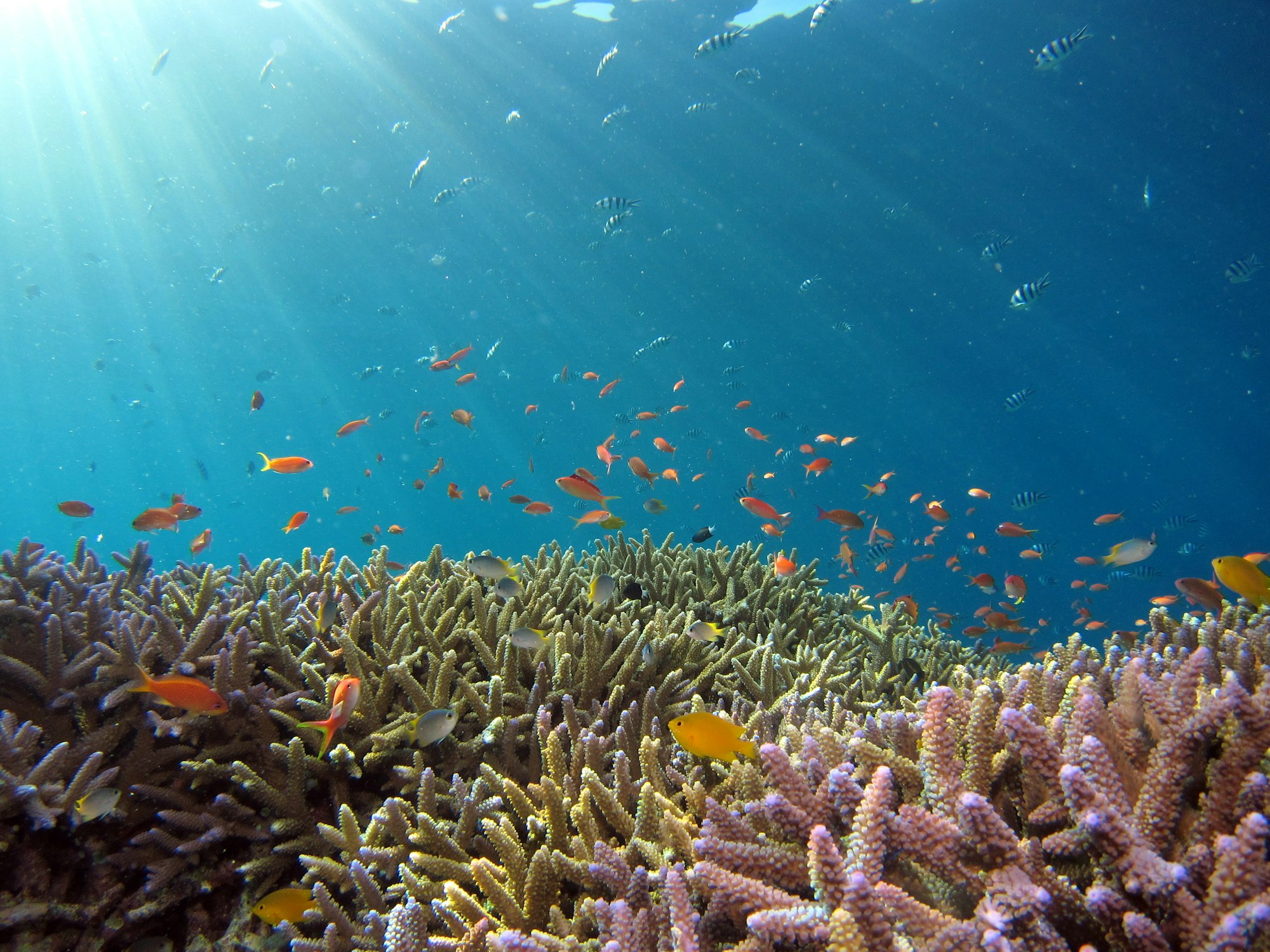
Amed wall
8.3376°S 115.6617°E · wall
Amed Wall
A dramatic volcanic wall dive in Bali’s quietest diving village.
Overview
Amed Wall is a shore-entry wall dive along the black-sand coastline of northeast Bali, dropping from a shallow reef top down to around 25 meters. The wall is covered in hard and soft corals, sea fans, and sponges, supported by the nutrient-rich upwellings characteristic of this stretch of coast. Visibility is generally good, reaching 15–25 meters, and currents are typically mild. The Amed area sits between the Tulamben USAT Liberty wreck site and the Gili Islands, making it a convenient stop on any Bali diving itinerary. Water temperatures range from 25–29°C year-round, occasionally dipping to 22°C during cold thermoclines in the dry season.
Site Information
- Location: Amed, northeast Bali, Indonesia
- Entry Type: Shore entry
- Site Type: Wall dive
- Difficulty Level: Beginner
- Maximum Depth: 25 meters
- Typical Visibility: 10–25 meters
- Current: Generally mild; occasional light to moderate
- Best Time: April to November (calm seas, best visibility)
Marine Life
The wall hosts a diverse array of reef fish including large schools of fusiliers, angelfish, and surgeonfish. Leaf scorpionfish and various nudibranch species are found in the rubble at the base of the wall. Hawksbill turtles regularly patrol the wall face, and reef whitetip sharks rest in crevices at depth. Macro enthusiasts will find ghost pipefish and robust ghost pipefish among the sea fans. The black-sand substrate at depth is classic Amed muck habitat, where frogfish and flamboyant cuttlefish occasionally appear.
Dive Profile
Enter from the beach and snorkel out to the wall’s edge. Descend the reef slope to find the wall face beginning at around 5 meters. Most interesting coral growth and fish life is concentrated between 8–20 meters. Descend along the wall to your target depth, then work back up for a gentle safety stop on the shallow reef top. The dive is straightforward with no complex navigation required.
Entry and Exit
Walk from the beach into shallow water and surface-swim approximately 30–50 meters to reach the wall’s edge. Entry over volcanic sand and small rocks — booties are strongly recommended. Exit the same way, watching for occasional surge near the shoreline. Local dive guides can direct you to the precise entry point for the best wall sections.
Tips and Recommendations
- Dive the wall in the morning when plankton blooms attract more fish activity
- Bring a torch to investigate crevices for lobsters, moray eels, and sleeping fish
- The shallow reef top (3–5 m) is excellent for a long safety stop with rich coral cover
- Combine with the nearby USAT Liberty wreck at Tulamben for a full day of diverse diving
- Booties and a 3mm wetsuit are sufficient; consider a 5mm during July–August thermoclines
Safety Considerations
Currents are usually light but can pick up unexpectedly — monitor direction and strength throughout the dive. Be careful entering and exiting over the volcanic rock and sand; footing can be unstable. Sea urchins are common in the shallow areas; avoid contact. Always conduct a safety stop at 5 meters for 3 minutes before surfacing.
Photography
The wall face provides excellent ambient-light wide-angle shots, especially with sea fans as foreground subjects. The muck habitat at the base of the wall is productive for macro work — look for nudibranchs, pipefish, and frogfish. Shoot upward along the wall to capture divers silhouetted against the blue water column.
Sources: Bali AQua - Amed Diving, World Adventure Divers - Diving Amed, Amed Dive Explorer - Dive Sites. Last updated 2026-07-17.
Sea-surface temperature and wave height from Open-Meteo Marine (ERA5 reanalysis, monthly averages).
3687 verified species observations (250 species) logged within ~11 km of this site between 1987 and 2025, from the Ocean Biodiversity Information System.
- Scolecenchelys macroptera · Narrow Worm Eel
- Pteropsaron
- Abantennarius coccineus
- Callionymidae · Dragonets
- Trimma unisquame · Blackmargin Pygmy Goby
- Trimma stobbsi
- Plectranthias longimanus · Longfin Perchlet
- Scolopsis affinis
- Limnichthys nitidus · Donaldson's Sandburrower
- Gymnothorax pseudoherrei · False Brown Moray
- Trimma okinawae · Orange Spot Goby
- Eviota shimadai
Scientific survey records skew toward sampled taxa (molluscs, corals) and do not reflect what you are guaranteed to see on a dive.
Source: OBIS (obis.org), aggregated Darwin Core occurrence records.
Conditions change with the tide and the season. If you have dived this site, share what it was actually like — date, visibility, current, and what you saw. Real, recent reports from divers are exactly what this guide is built to collect.
Send a conditions report ›