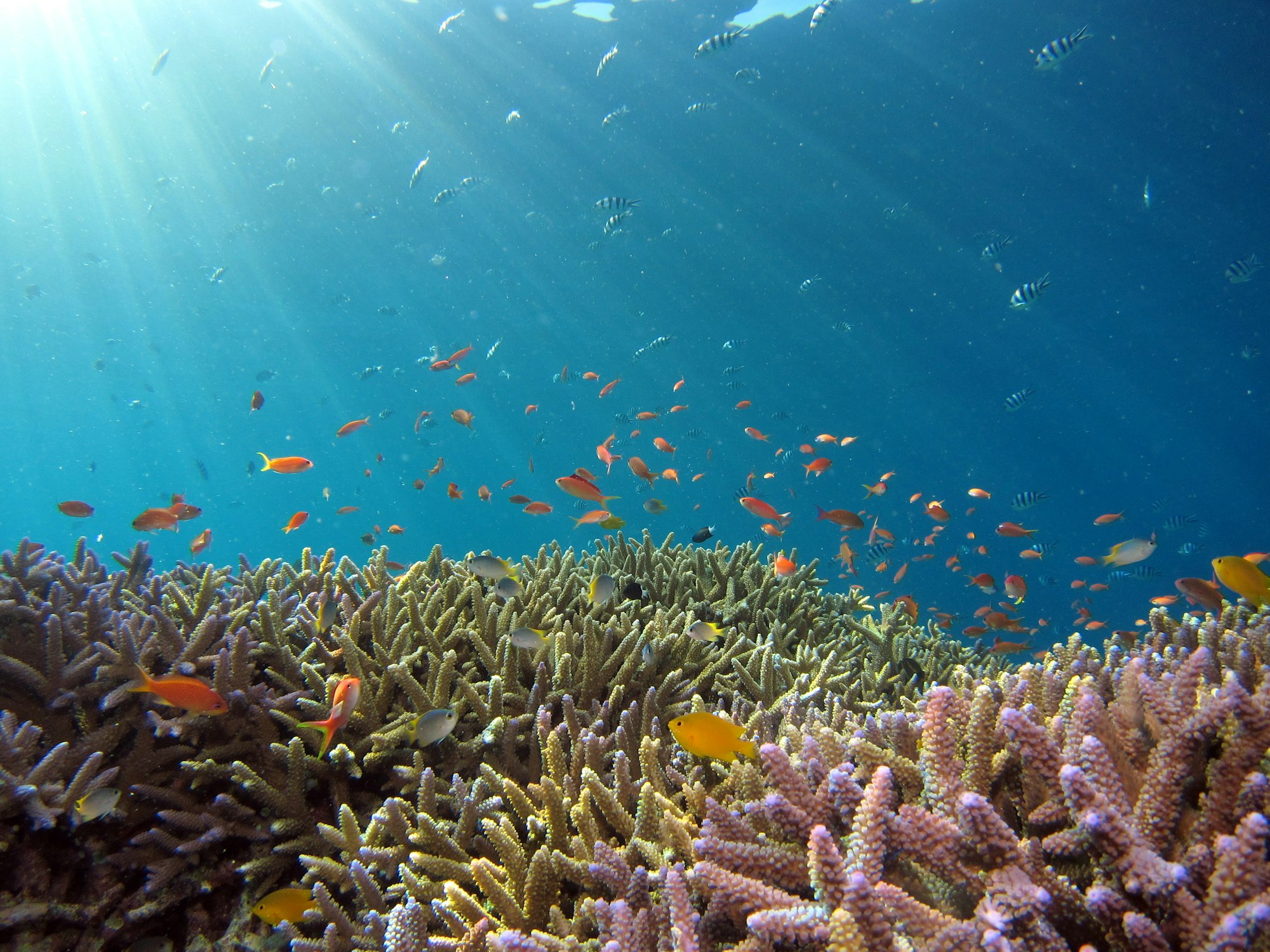
Blue Hill Dive Site
8.2876°S 115.6051°E · reef
A sloping reef in the Tulamben area with a pleasant mix of coral formations and resident reef fish, ideal between the Liberty wreck and muck dive sites.
Overview
Blue Hill is a reef dive site in the Tulamben corridor of northeast Bali, situated between the major draw sites of the USAT Liberty wreck and the muck diving locations near Amed. The reef slopes from the shallows to around 25 m, offering a classic Indonesian tropical reef experience with hard coral bommies, sea fans, and a colourful fish community. The site is particularly useful for groups of mixed experience levels, providing enough depth and interest for intermediate divers without the demanding conditions of more exposed sites in the region. Current is generally moderate and predictable.
Site Information
- Location: Tulamben area, northeast Bali
- Entry Type: Shore entry
- Site Type: Reef
- Difficulty Level: Beginner
- Maximum Depth: 15 meters
- Typical Visibility: 15–22 m
- Current: Moderate; generally predictable
- Best Time: April to November
Marine Life
Parrotfish, fusiliers, and anthias are abundant on the upper reef. Turtles are regularly sighted grazing on the reef crest. Moray eels, grouper, and lionfish inhabit the coral cavities at 15–20 m. Smaller critters including nudibranchs and cleaner shrimps are found in the rubble zones at depth.
Dive Profile
Enter at the boat and descend to the reef at 10 m. Follow the sloping reef to 20–25 m, then ascend gradually back along the slope. Most fish life is concentrated at 8–18 m. The shallow reef section between 3–8 m offers a colourful final exploration during the safety stop period.
Entry and Exit
Boat dive from Tulamben area operators. Entry via back roll. Currents are manageable. SMB deployment recommended for ascent in open water.
Tips and Recommendations
- Excellent filler dive between the Liberty wreck and muck diving sites in the Tulamben area
- Well-suited for Open Water divers progressing toward their Advanced certification
- Check sea fans at depth for pygmy seahorses if available in the area
- Pair with an early morning Liberty wreck dive for a productive two-dive morning
- Afternoon dives can be affected by increased current — check with operators
Safety Considerations
Maintain good buoyancy above the reef to avoid coral contact. Lionfish in overhangs are venomous — observe without touching. Sea urchins on the substrate can cause injury if handled or stepped on with bare skin.
Photography
Good light in the shallows suits reef scene photography. Fish portraits of parrotfish and surgeonfish work well at the reef crest. Look for cleaner stations on prominent coral heads for fish portrait opportunities.
Sea-surface temperature and wave height from Open-Meteo Marine (ERA5 reanalysis, monthly averages).
4162 verified species observations (239 species) logged within ~11 km of this site between 1987 and 2025, from the Ocean Biodiversity Information System.
- Scolecenchelys macroptera · Narrow Worm Eel
- Pteropsaron
- Abantennarius coccineus
- Callionymidae · Dragonets
- Trimma unisquame · Blackmargin Pygmy Goby
- Trimma stobbsi
- Plectranthias longimanus · Longfin Perchlet
- Scolopsis affinis
- Gymnothorax pseudoherrei · False Brown Moray
- Trimma okinawae · Orange Spot Goby
- Eviota shimadai
- Tenellia
Scientific survey records skew toward sampled taxa (molluscs, corals) and do not reflect what you are guaranteed to see on a dive.
Source: OBIS (obis.org), aggregated Darwin Core occurrence records.
Conditions change with the tide and the season. If you have dived this site, share what it was actually like — date, visibility, current, and what you saw. Real, recent reports from divers are exactly what this guide is built to collect.
Send a conditions report ›