Batu Belah
8.3079°S 115.6208°E · reef
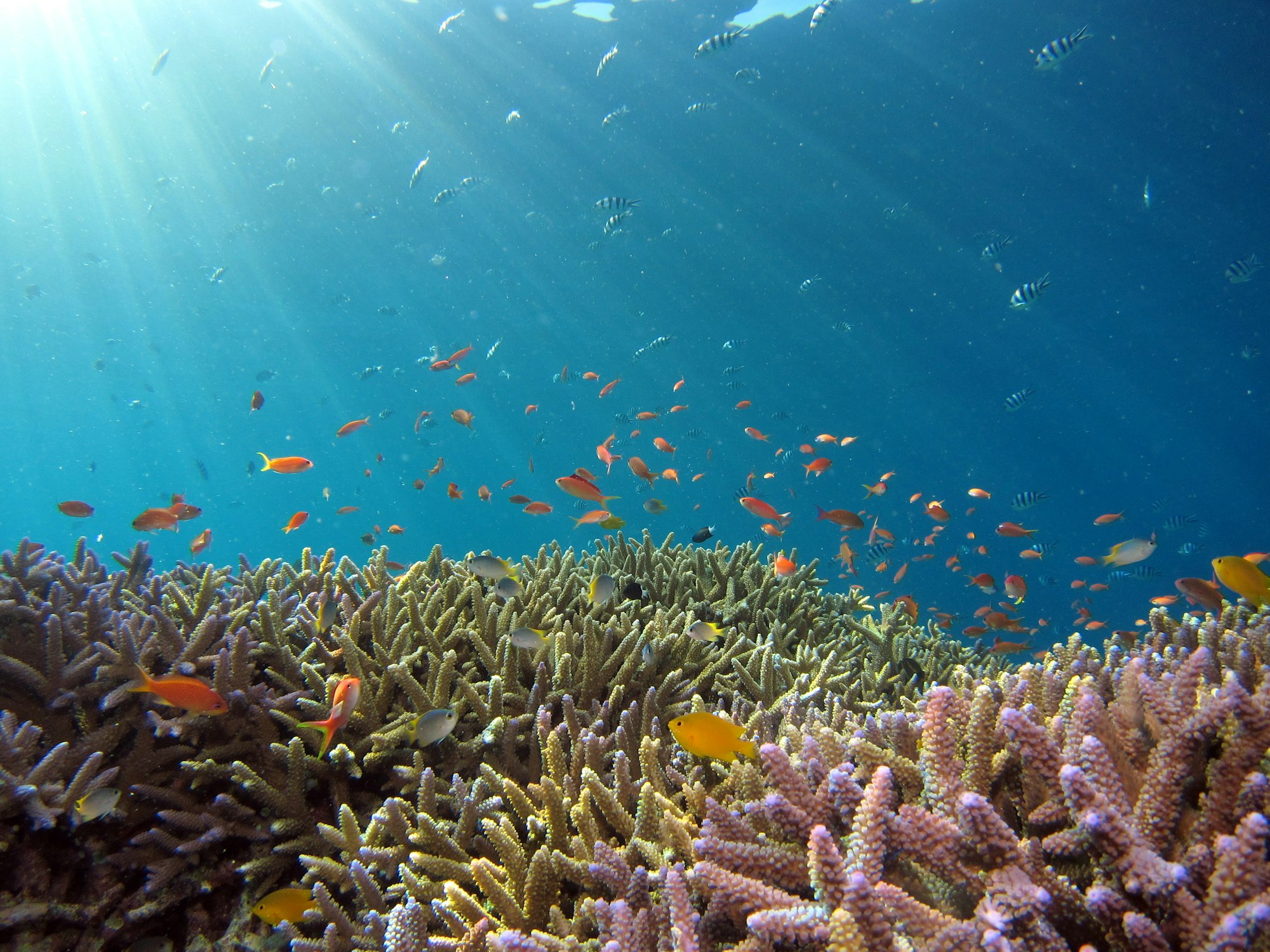
A coastal reef in the Amed area with rich coral formations rising from a sandy bottom — known for its abundance of snappers, fusiliers, frogfish, and macro life on productive volcanic reef.
Overview
Batu Belah is a reef dive site situated between Amed and Tulamben on Bali’s northeast coast, accessible directly from shore. The distinctive feature is a substantial coral clump rising from a sandy bottom, creating a dynamic reef habitat with rich nutrients from the nearby Lombok Strait. The reef is considered productive for macro life including frogfish and leaf fish, as well as schooling species like snappers, platax (batfish), and fusiliers. Tuna pass in the blue water beyond the reef. Conditions are generally calm with little to moderate current and good visibility of 15–30 metres.
Site Information
- Location: Tulamben area, northeast Bali
- Entry Type: Shore entry
- Site Type: Reef
- Difficulty Level: Intermediate
- Maximum Depth: 30 meters
- Typical Visibility: 15–30 metres
- Current: Nil to moderate
- Best Time: April to November
Marine Life
Schools of snappers, platax (batfish), and fusiliers are the most characteristic large-group species. Tuna are seen in blue water adjacent to the reef. Nudibranchs, crabs, and mantis shrimp inhabit the substrate. Giant frogfish and leaf scorpionfish — rare species that can be difficult to locate — have been confirmed at this site. The productive Lombok Strait waters support rich fish diversity throughout the reef structure.
Dive Profile
Enter from the sandy and rocky beach shore and descend to the reef structure, which begins close to shore. The coral clumps rise from the sandy bottom and are the focal points of the dive. Work across the reef formations at 10–25 metres, checking for frogfish and macro life on coral surfaces while watching the surrounding water for schooling species. The reef extends to around 30 metres on the deeper edge.
Entry and Exit
Shore entry from the sandy and rocky beach at Batu Belah, with coral reef beginning just a few metres from shore. Enter carefully over the rocky substrate and swim out to the reef formations. Exit at the same point.
Tips and Recommendations
- Ask your guide about current frogfish and macro species locations on the reef
- The proximity to the Lombok Strait means passing tuna and pelagics can appear quickly — look into the blue periodically
- Suitable for recently certified divers as well as macro photographers at intermediate level
Safety Considerations
Currents are generally mild with occasional moderate periods. Maintain good buoyancy to avoid contact with the reef structure. Camouflaged scorpionfish and stonefish may rest on substrate surfaces — observe without touching or placing hands on coral or rock.
Photography
Both macro and reef-scene photography are rewarding here. The frogfish and leaf scorpionfish are prime macro subjects. Schools of snappers and fusiliers against the reef structure suit wide-angle. Natural light is generally good given the shallow-to-mid depth range.
Sources: Bali Fab Dive - Batu Belah, PADI - Batu Belah, Dive Navigator - Batu Belah, Dive Concepts - Batu Belah. Last updated 2026-07-17.
Sea-surface temperature and wave height from Open-Meteo Marine (ERA5 reanalysis, monthly averages).
4166 verified species observations (239 species) logged within ~11 km of this site between 1987 and 2025, from the Ocean Biodiversity Information System.
- Scolecenchelys macroptera · Narrow Worm Eel
- Pteropsaron
- Abantennarius coccineus
- Callionymidae · Dragonets
- Trimma unisquame · Blackmargin Pygmy Goby
- Trimma stobbsi
- Plectranthias longimanus · Longfin Perchlet
- Scolopsis affinis
- Gymnothorax pseudoherrei · False Brown Moray
- Trimma okinawae · Orange Spot Goby
- Eviota shimadai
- Tenellia
Scientific survey records skew toward sampled taxa (molluscs, corals) and do not reflect what you are guaranteed to see on a dive.
Source: OBIS (obis.org), aggregated Darwin Core occurrence records.
Conditions change with the tide and the season. If you have dived this site, share what it was actually like — date, visibility, current, and what you saw. Real, recent reports from divers are exactly what this guide is built to collect.
Send a conditions report ›