Bat Cave
8.0934°S 114.5290°E · cave
Arguably the finest dive at Menjangan Island — a dramatic wall with cave entrances at 9–12 m sheltering diverse reef life.
Overview
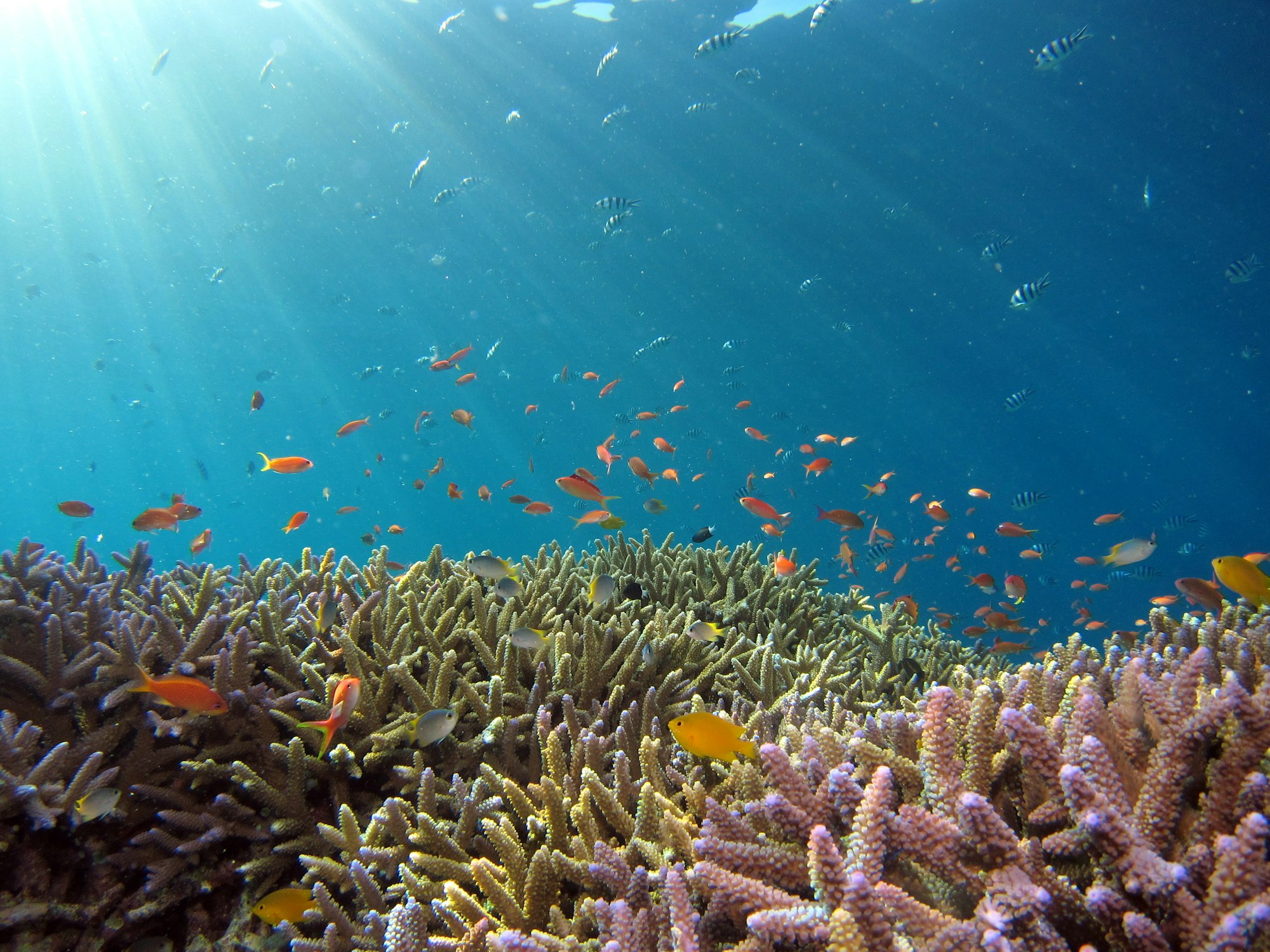
Bat Cave Point sits on the eastern wall of Menjangan Island, inside West Bali National Park, and is widely regarded as the island’s best dive. Small bats inhabit the caves at the waterline, giving the site its name; the underwater cave crevasses begin at around 9 metres and are a haven for invertebrates and critters. The wall drops vertically to beyond 40 metres and is draped in gorgonian sea fans, whip corals, and large barrel sponges. Strong head-on currents sweep in nutrient-rich water, producing dense fish aggregations throughout the water column. The site typically serves as the continuation dive from Pos 2, with divers drifting west along the wall until they reach the cave entrances.
Site Information
- Location: Menjangan Island, West Bali National Park, northwest Bali
- Entry Type: Boat dive
- Site Type: Cave/cavern
- Difficulty Level: Intermediate
- Maximum Depth: 40 meters
- Typical Visibility: 15–30 m
- Current: Moderate to strong; head-on current from the east
- Best Time: April to November (dry season, best visibility)
Marine Life
Cave crevasses shelter nudibranchs, electric clams, moray eels, and small crustaceans. The open wall hosts schools of bluefin trevally, bigeye trevally, and fusiliers. Blacktip reef sharks patrol the deeper sections, and octopus are commonly spotted in overhangs. Pygmy seahorses hide in the gorgonians between 20–30 m, and the occasional whale shark has been reported drifting past during certain seasons.
Dive Profile
Begin the dive at Pos 2 and drift southwest along the wall to Bat Cave Point. The wall starts at 3 m and plunges beyond recreational limits; most divers stay between 10–25 m where coral density and fish life are greatest. The cave entrances at 9–12 m are the highlight — explore them safely without penetrating beyond the light zone. Ascend slowly along the wall and conduct a 3-minute safety stop at 5 m before surfacing.
Entry and Exit
Access by traditional jukung boat from Labuhan Lalang jetty in West Bali National Park. Entry via giant stride or back roll. Currents can run strong; follow the dive briefing on entry timing relative to the current direction. Deploy an SMB during ascent for boat pickup in open water.
Tips and Recommendations
- Dive this site as a continuation from Pos 2 for a long, memorable drift along the wall
- Bring a torch to illuminate the cave recesses and reveal cryptic critters
- Check pygmy seahorse colonies on gorgonians around 22–25 m
- Nitrox is available from most Menjangan operators and extends bottom time
- Visit in the morning for the best light angles on the wall and clearest water
Safety Considerations
Currents can be strong and unpredictable, particularly on incoming tides. Do not penetrate the cave beyond natural light. Always dive with a buddy and carry an SMB. Down-currents are possible near the deep wall sections — maintain positive buoyancy and do not chase depth. Dive within your certification limits.
Photography
The cave entrances provide dramatic silhouette shots with ambient light streaming from above. Wide-angle lenses suit the wall sections with large gorgonians, while macro photographers will find electric clams, nudibranchs, and pygmy seahorses inside the cave crevasses. Morning dives produce the best water column colour.
Sources: Dive Concepts - Bat Cave Menjangan, Geko Dive Bali - Menjangan, Bali Fun Diving - Menjangan, PADI - Menjangan Island. Last updated 2026-07-17.
Sea-surface temperature and wave height from Open-Meteo Marine (ERA5 reanalysis, monthly averages).
344 verified species observations (127 species) logged within ~11 km of this site between 1982 and 2025, from the Ocean Biodiversity Information System.
- Trimma erdmanni
- Eviota bifasciata
- Trimma halonevum
- Caesio cuning · Red-bellied Fusilier
- Chaetodon octofasciatus · Eight-banded Butterfly-fish
- Eviota storthynx
- Corythoichthys haematopterus · Reef-top Pipefish
- Pseudanthias tuka · Purple Anthias
- Amphiprion ocellaris · False Clown Anemonefish
- Actitis hypoleucos · Common Sandpiper
- Chromis alpha · Yellow-speckled Chromis
- Pentapodus
Scientific survey records skew toward sampled taxa (molluscs, corals) and do not reflect what you are guaranteed to see on a dive.
Source: OBIS (obis.org), aggregated Darwin Core occurrence records.
Conditions change with the tide and the season. If you have dived this site, share what it was actually like — date, visibility, current, and what you saw. Real, recent reports from divers are exactly what this guide is built to collect.
Send a conditions report ›