Emerald
8.2837°S 115.6029°E · reef
A sloping reef and drift site southeast of Tulamben Bay — accessible only by boat, with large gorgonian sea fans, pygmy seahorses, garden eels, and a submerged chair and table serving as additional artificial reef.
Overview
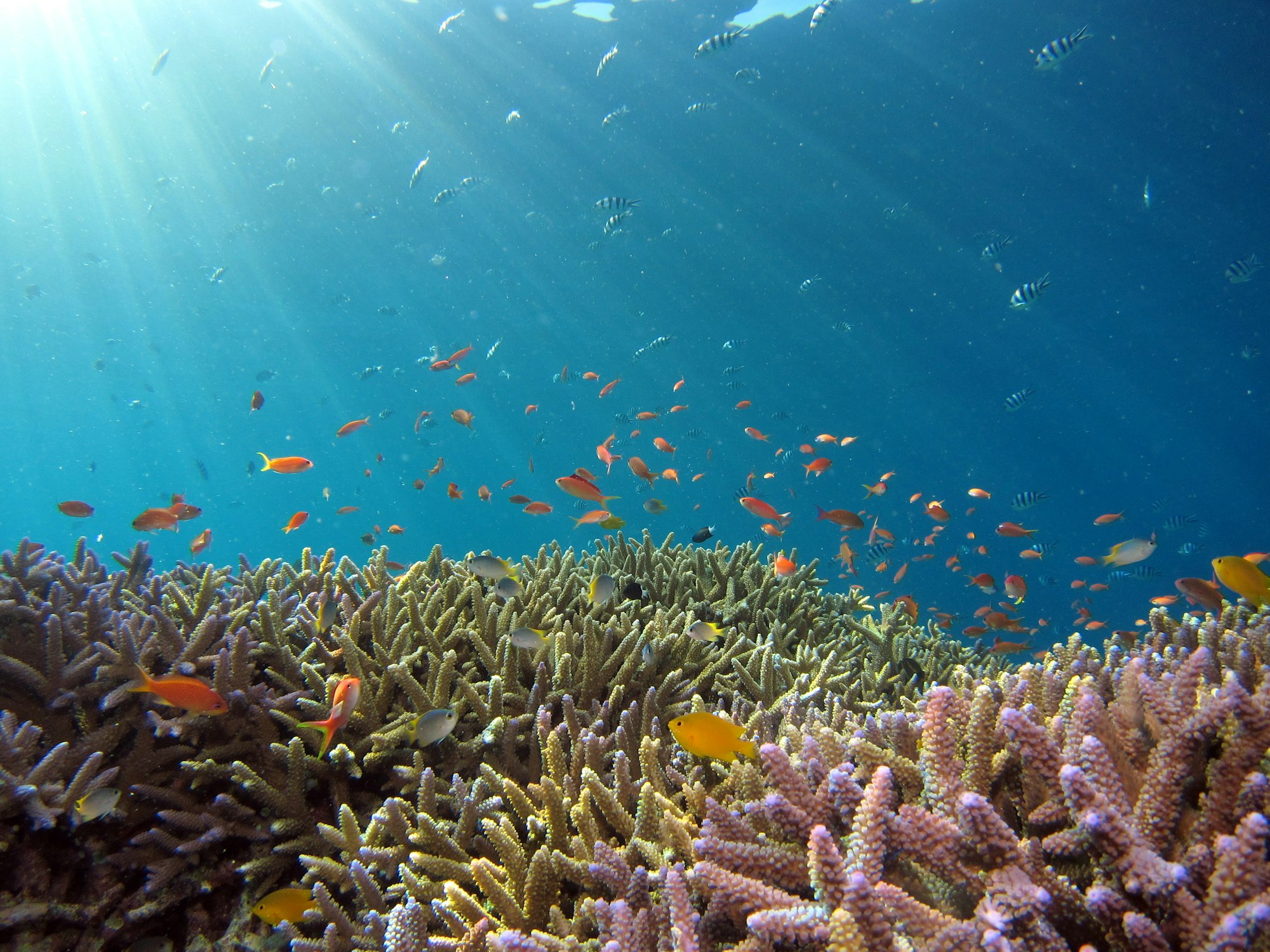
Emerald (also called Batu Emerald) is a reef site located southeast of Tulamben Bay, past Batu Kelebit along the northeast Bali coastline, accessible by a short ~5-minute jukung boat ride from Tulamben. The site begins in a shallow sandy bay with scattered reef before transitioning to a sloping reef richer in hard corals, large barrel sponges, and gorgonian fans from approximately 12–30 metres. A submerged chair and table have been placed along the sandy slope as an additional artificial reef. Mild to moderate currents can create pleasant drift conditions on the right days. Due to its depth and drift potential, it is better suited to certified divers.
Site Information
- Location: Southeast of Tulamben Bay, northeast Bali
- Entry Type: Boat dive
- Site Type: Reef
- Difficulty Level: Intermediate
- Maximum Depth: 30 meters
- Typical Visibility: 15–25 m
- Current: Mild to moderate; drift possible
- Best Time: April to November
Marine Life
Confirmed at this site: garden eels in sandy areas, sweetlips, angelfish, bannerfish, turtles, groupers, cuttlefish, octopus, trevally, and bumphead parrotfish. Gorgonian sea fans at depth host pygmy seahorses — up to 10 per fan have been found. Reef sharks are occasionally seen at the 20–30 metre level. The submerged furniture on the sandy slope has become colonised and functions as a critter habitat.
Dive Profile
Descend to the reef crest at 5–8 m and follow the sloping reef to 20–25 m, exploring coral heads along the way. The mid-depth zone at 10–18 m is most productive for fish diversity. Ascend gradually along the slope and complete a 3-minute safety stop in the shallow coral zone.
Entry and Exit
Boat dive from Tulamben. Short boat transit. Entry via back roll or giant stride. Currents are mild on most days. SMB recommended for ascent signalling.
Tips and Recommendations
- A good choice for a relaxed second or third dive of the day after the Liberty wreck
- Explore the shallow reef between 5–10 m during the safety stop for the best fish density
- Check coral crevices carefully for lionfish and moray eels
- Combine with Pyramids and the Liberty wreck for a comprehensive Tulamben day
- Morning dives typically offer better visibility and calmer conditions
Safety Considerations
Currents are generally mild but can pick up in the afternoon. Lionfish in overhangs are venomous — maintain a safe viewing distance. Sea urchins on the reef rubble — avoid contact. Maintain good buoyancy to protect coral formations.
Photography
Good natural light in the shallows suits wide-angle reef shots and fish portraits. Turtles on the reef provide accessible wide-angle subjects. The fish diversity makes for productive “reef scene” photography. Macro shooters will find nudibranchs and cleaner shrimps in the rubble zones.
Sources: Bali Dive Cove - Emerald, Bali AQua - Tulamben Diving, Bali Dive Resort & Spa - Tulamben Sites. Last updated 2026-07-17.
Sea-surface temperature and wave height from Open-Meteo Marine (ERA5 reanalysis, monthly averages).
4162 verified species observations (239 species) logged within ~11 km of this site between 1987 and 2025, from the Ocean Biodiversity Information System.
- Scolecenchelys macroptera · Narrow Worm Eel
- Pteropsaron
- Abantennarius coccineus
- Callionymidae · Dragonets
- Trimma unisquame · Blackmargin Pygmy Goby
- Trimma stobbsi
- Plectranthias longimanus · Longfin Perchlet
- Scolopsis affinis
- Gymnothorax pseudoherrei · False Brown Moray
- Trimma okinawae · Orange Spot Goby
- Eviota shimadai
- Tenellia
Scientific survey records skew toward sampled taxa (molluscs, corals) and do not reflect what you are guaranteed to see on a dive.
Source: OBIS (obis.org), aggregated Darwin Core occurrence records.
Conditions change with the tide and the season. If you have dived this site, share what it was actually like — date, visibility, current, and what you saw. Real, recent reports from divers are exactly what this guide is built to collect.
Send a conditions report ›