Jemeluk Wall
8.3373°S 115.6621°E · wall
Jemeluk Wall
A wall dive at the eastern end of Jemeluk Beach near Amed, where a slope steepens into a wall dropping over 40 meters, covered in gorgonias, barrel sponges, and hard coral.
Overview
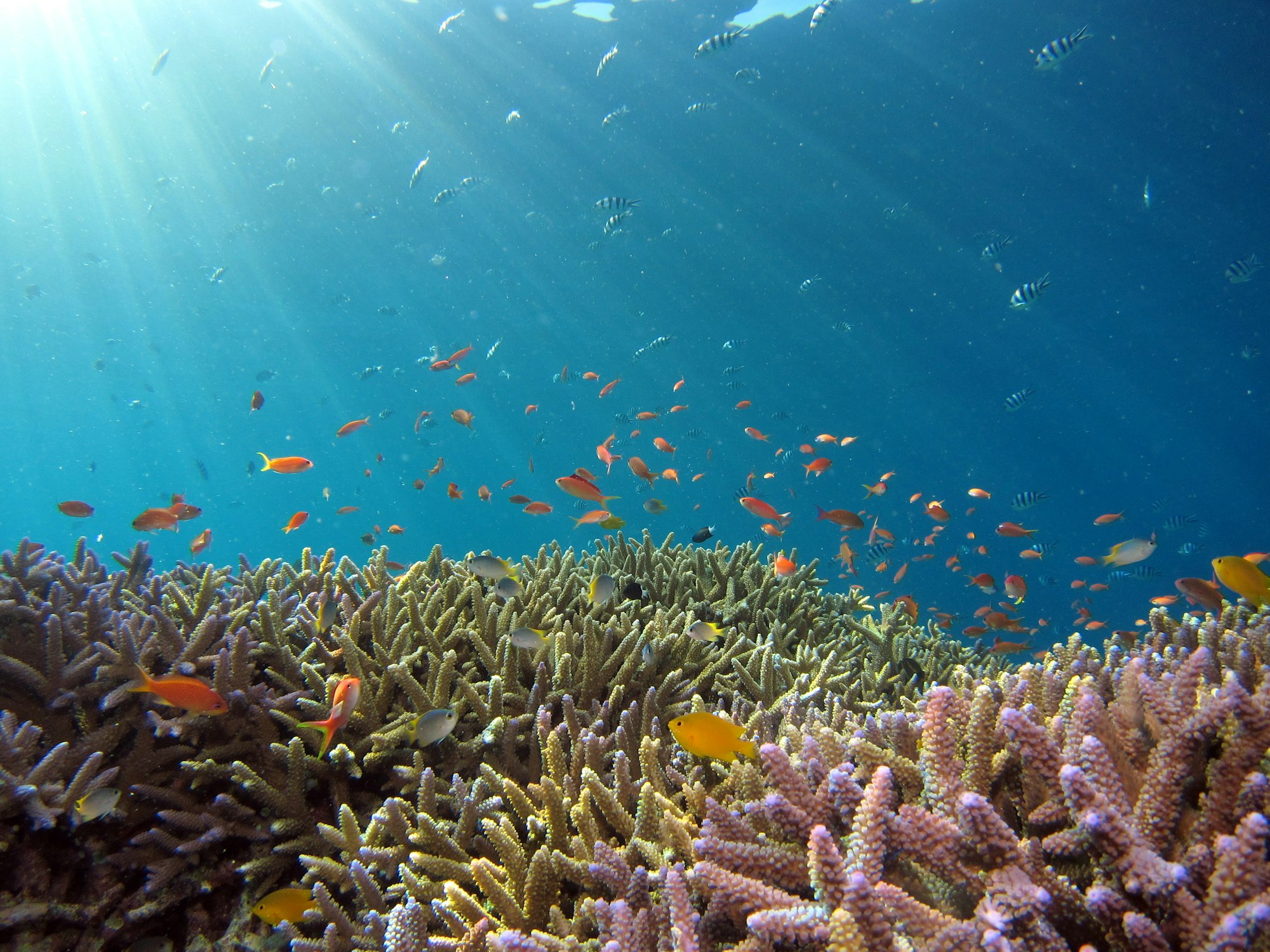
Jemeluk Wall is located at the eastern end of Jemeluk Beach in the Amed area of northeast Bali, running north from a point. The site begins as a slope that gradually steepens into a genuine wall dropping 40 meters or more. The wall and upper slope are covered with small gorgonias, barrel sponges, large pink gorgonia fans, various sponges, and hard coral formations. The site is conveniently located approximately 10 minutes from Hotel Uyah, making it one of the most accessible wall dives in the Amed area.
Site Information
- Location: Jemeluk Beach, Amed, East Bali, Indonesia
- Entry Type: Shore entry
- Site Type: Wall dive
- Difficulty Level: Intermediate
- Maximum Depth: 30 meters
- Typical Visibility: 15-25 meters
- Water Temperature: 27-29°C
- Current: Variable, generally mild to moderate
- Best Time: April to November (dry season)
Marine Life
The wall supports a healthy mix of reef life. Moray eels occupy crevices and overhangs along the wall face. Nudibranchs are found on the coral-covered surfaces throughout the dive. Ribbon eels — with their striking blue and yellow colouration — inhabit sandy patches near the base of the slope. Clownfish nestle in anemones on the upper slope and reef top. The barrel sponges and gorgonias along the wall provide habitat for a variety of invertebrates, while the deeper wall sections attract passing pelagics.
Dive Profile
Enter from shore at the eastern end of Jemeluk Beach and swim out to the point where the wall begins. The initial descent is along a slope that progressively steepens into a vertical wall. Work along the wall face, scanning crevices for moray eels and the coral surfaces for nudibranchs. The large pink gorgonias are found at depth along the wall. The wall drops well beyond recreational limits, so careful depth management is essential. Begin your ascent along the wall face and finish on the shallower slope for your safety stop.
Entry and Exit
Shore entry from Jemeluk Beach. The entry is straightforward — walk into the water from the beach, put on fins, and swim out to the point where the wall begins. The site is approximately 10 minutes from Hotel Uyah. Exit at the same beach.
Tips and Recommendations
- The wall drops deep — set a maximum depth before the dive and stick to it
- Spend time on the shallower slope on your return, where clownfish and nudibranchs are plentiful
- Look carefully in sandy areas near the wall base for ribbon eels
- The shore entry makes this an easy site for multiple dives throughout the day
Safety Considerations
The wall drops well beyond 40 meters, so uncontrolled descents are a real risk. Maintain neutral buoyancy and monitor your depth gauge frequently. Stay within recreational depth limits. Currents can be variable, so assess conditions before entering. The shore entry is straightforward but can have some surge depending on conditions.
Photography
Jemeluk Wall offers both wide-angle and macro opportunities. The large pink gorgonia fans and barrel sponges along the wall make excellent wide-angle subjects, particularly when backlit or shot with divers for scale. Macro subjects include nudibranchs, ribbon eels, and the invertebrates living on the sponges and corals. The wall structure itself provides dramatic depth perspectives for wide-angle compositions.
Sources: PADI - Jemeluk Wall, Bali AQua - Amed Diving, Michael McFadyen’s Scuba Diving Web Site. Last updated 2026-07-17.
Sea-surface temperature and wave height from Open-Meteo Marine (ERA5 reanalysis, monthly averages).
3687 verified species observations (250 species) logged within ~11 km of this site between 1987 and 2025, from the Ocean Biodiversity Information System.
- Scolecenchelys macroptera · Narrow Worm Eel
- Pteropsaron
- Abantennarius coccineus
- Callionymidae · Dragonets
- Trimma unisquame · Blackmargin Pygmy Goby
- Trimma stobbsi
- Plectranthias longimanus · Longfin Perchlet
- Scolopsis affinis
- Limnichthys nitidus · Donaldson's Sandburrower
- Gymnothorax pseudoherrei · False Brown Moray
- Trimma okinawae · Orange Spot Goby
- Eviota shimadai
Scientific survey records skew toward sampled taxa (molluscs, corals) and do not reflect what you are guaranteed to see on a dive.
Source: OBIS (obis.org), aggregated Darwin Core occurrence records.
Conditions change with the tide and the season. If you have dived this site, share what it was actually like — date, visibility, current, and what you saw. Real, recent reports from divers are exactly what this guide is built to collect.
Send a conditions report ›