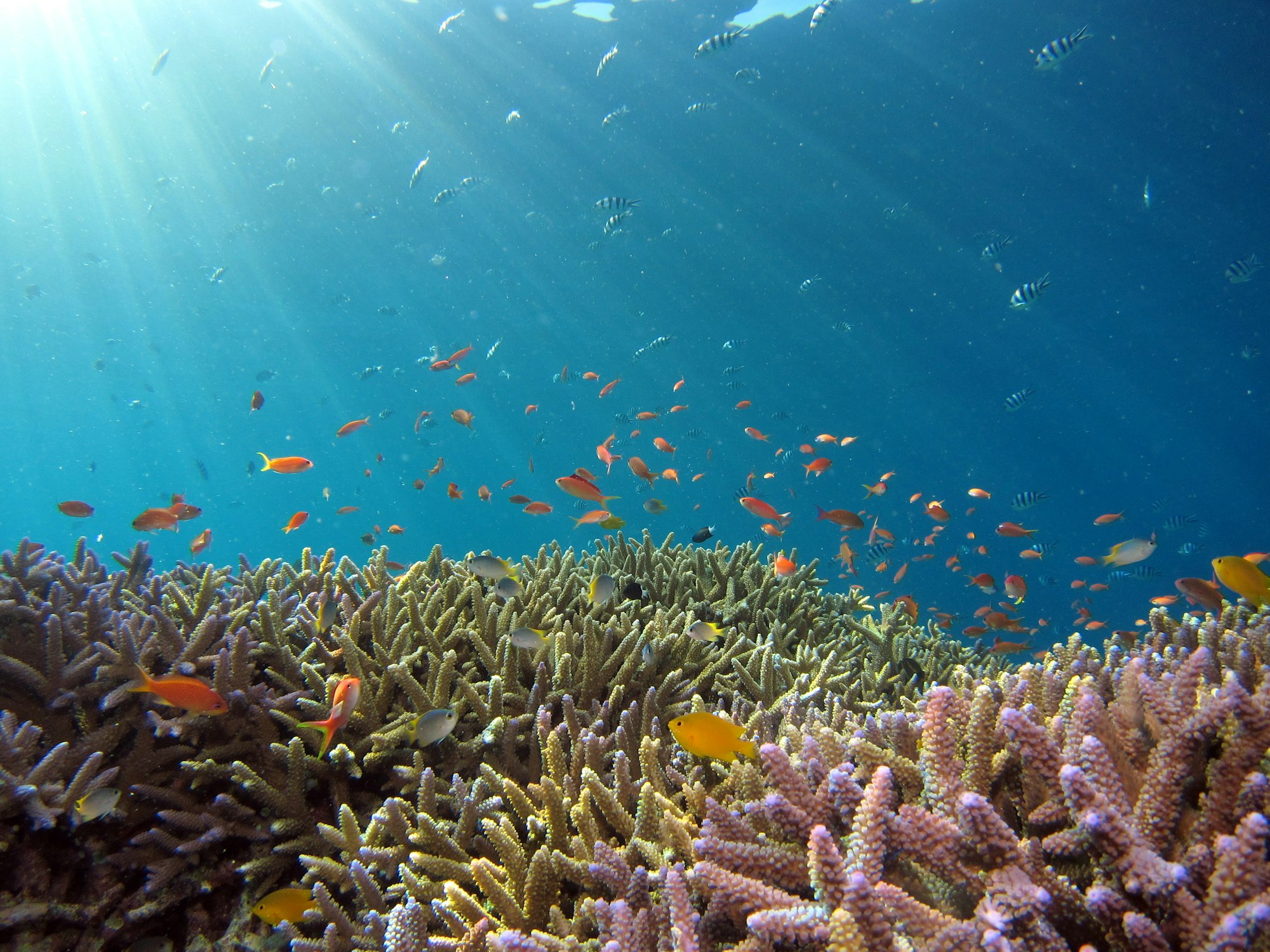
Kubu Reef
8.2491°S 115.5739°E · reef
Kubu Reef
A two-part reef site at Kubu village, 3.5 kilometres northwest of Tulamben, featuring ridges with coral outcrops that transition into substantial reef with a small wall beyond 30 meters.
Overview
Kubu Reef is located off the village of Kubu on Bali’s northeast coast, approximately 3.5 kilometres northwest of Tulamben. The site is divided into two sub-sites, each offering a mix of sandy ridges with coral outcrops in the shallows that give way to more substantial reef development at depth. Beyond 30 meters, the reef forms a small wall. Kubu Reef combines the critter-hunting appeal of the Tulamben area with genuine reef diving, and is known for excellent anglerfish sightings and pygmy seahorses on the deeper gorgonias.
Site Information
- Location: Kubu Village, East Bali, Indonesia (3.5 km NW of Tulamben)
- Entry Type: Shore entry
- Site Type: Reef
- Difficulty Level: Intermediate
- Maximum Depth: 30 meters
- Typical Visibility: 15-25 meters
- Water Temperature: 27-29°C
- Current: Generally mild
- Best Time: April to November (dry season)
Marine Life
Kubu Reef is rich in both critter life and reef species. Multiple anglerfish species have been documented here, including yellow, white (clown), and black striped varieties. Ornate ghost pipefish drift among the coral outcrops. Pygmy seahorses cling to gorgonia fans at depth — look carefully, as they are extremely well camouflaged. The deeper reef sections feature large barrel sponges and gorgonias that provide habitat for a range of invertebrates. General reef fish are abundant across both sub-sites.
Dive Profile
Enter from shore with the assistance of local porters who carry equipment down to the water’s edge. Descend onto the sandy ridges with coral outcrops in the shallower zone. Work deeper to find the more substantial reef development, where barrel sponges and gorgonias become prominent. Beyond 30 meters, the reef steepens into a small wall. The best critter hunting — anglerfish, ghost pipefish, pygmy seahorses — is found throughout the 10-30 meter range.
Entry and Exit
Shore entry at Kubu village. Local porters assist by carrying dive equipment from the road down to the beach, which is a significant help given the terrain. Enter carefully over the rocky shoreline and put fins on in shallow water. Exit at the same point with porter assistance.
Tips and Recommendations
- Hire local porters — the walk to the entry point with full dive gear is manageable but much easier with help
- A knowledgeable local guide significantly increases your chances of finding anglerfish and pygmy seahorses
- Check the gorgonia fans carefully at depth for pygmy seahorses — they are tiny and easily overlooked
- Both sub-sites are worth diving on separate dives to cover the full range of terrain
Safety Considerations
The shore entry involves a walk over uneven terrain — the porters are well worth engaging for safety as well as convenience. The maximum depth of 30 meters limits bottom time on air, particularly if searching for pygmy seahorses on the deeper gorgonias. Plan gas management carefully and begin your ascent with adequate reserves.
Photography
Kubu Reef offers excellent opportunities for both macro and wide-angle photography. The anglerfish are superb macro subjects, and pygmy seahorses on gorgonias are a prized capture for patient photographers with appropriate macro equipment. The barrel sponges and gorgonias at depth provide good wide-angle compositions. A versatile setup or a dedicated macro rig is recommended.
Sources: Michael McFadyen’s Scuba Diving Web Site, Bali AQua - Tulamben Diving, Pebble and Fins - Kubu Dive Sites. Last updated 2026-07-17.
Sea-surface temperature and wave height from Open-Meteo Marine (ERA5 reanalysis, monthly averages).
4126 verified species observations (239 species) logged within ~11 km of this site between 1987 and 2025, from the Ocean Biodiversity Information System.
- Scolecenchelys macroptera · Narrow Worm Eel
- Pteropsaron
- Abantennarius coccineus
- Callionymidae · Dragonets
- Trimma unisquame · Blackmargin Pygmy Goby
- Trimma stobbsi
- Plectranthias longimanus · Longfin Perchlet
- Scolopsis affinis
- Pleurosicya micheli
- Gymnothorax pseudoherrei · False Brown Moray
- Trimma okinawae · Orange Spot Goby
- Eviota shimadai
Scientific survey records skew toward sampled taxa (molluscs, corals) and do not reflect what you are guaranteed to see on a dive.
Source: OBIS (obis.org), aggregated Darwin Core occurrence records.
Conditions change with the tide and the season. If you have dived this site, share what it was actually like — date, visibility, current, and what you saw. Real, recent reports from divers are exactly what this guide is built to collect.
Send a conditions report ›