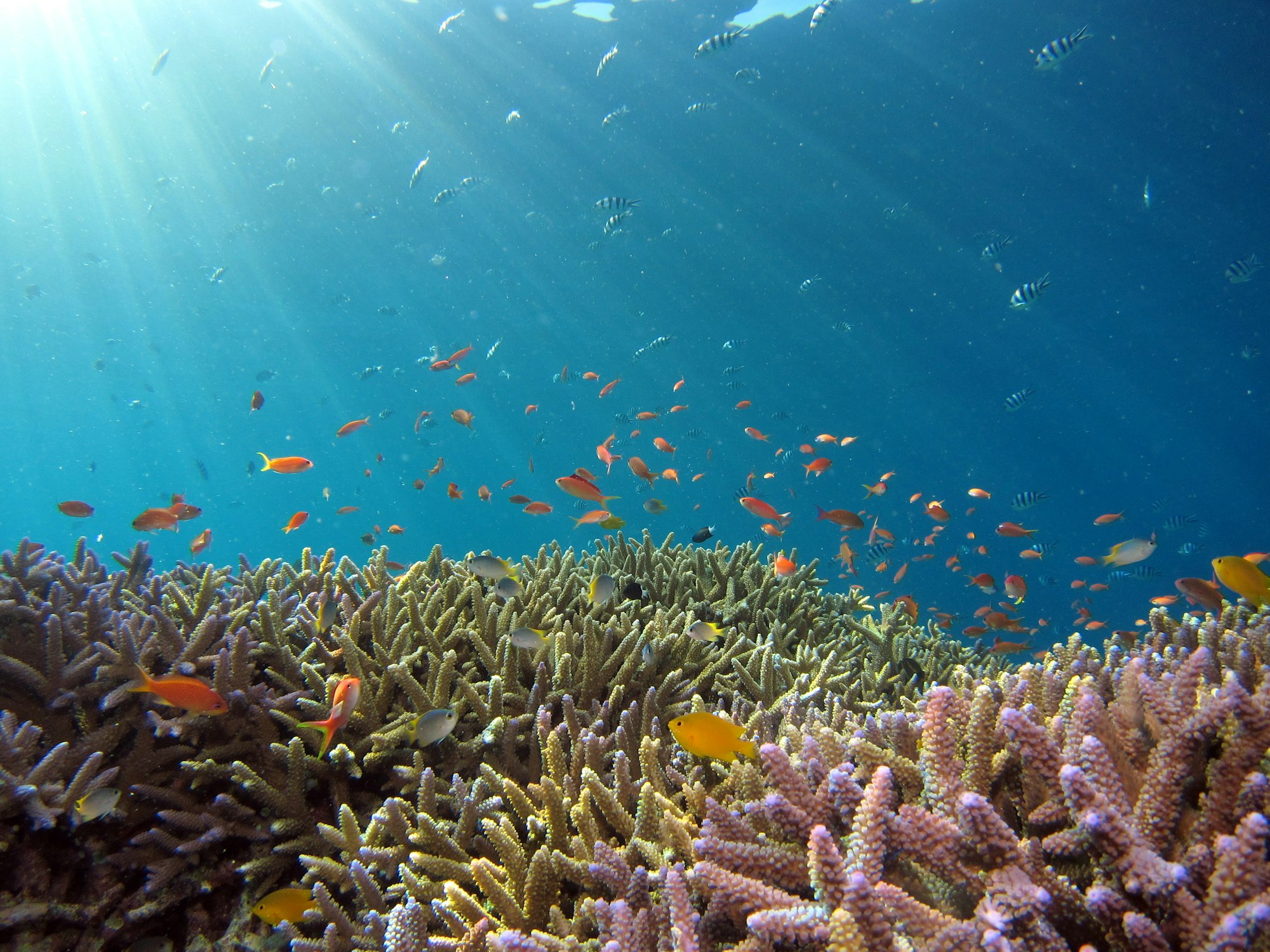
Manta Bay
8.7353°S 115.4507°E · reef
A closer, shallower alternative to Manta Point — a sheltered bay near Broken Beach where reef mantas regularly visit.
Overview
Manta Bay is situated near the iconic Broken Beach (Pasih Uug) on the northwest coast of Nusa Penida, making it the closer and more frequently visited of the two main manta sites on the island. The site is shallower than Manta Point with a maximum depth of around 18 m, set in a partially sheltered bay that experiences less swell than the fully exposed southern coast. Reef manta rays visit the cleaning corals here on most days, though the site tends to attract more snorkel tour traffic than Manta Point. Operators report approximately 80% encounter rates. The sandy bottom and coral bommies also host resident reef fish and macro life.
Site Information
- Location: Northwest Nusa Penida, near Broken Beach
- Entry Type: Boat dive
- Site Type: Reef
- Difficulty Level: Intermediate
- Maximum Depth: 18 meters
- Typical Visibility: 10–20 m
- Current: Moderate; less exposed than Manta Point
- Best Time: April to October
Marine Life
Reef manta rays are the primary attraction, visiting cleaning stations in the bay on most days. Blue-spotted stingrays, reef sharks, and turtles are regular companions. The coral bommies host clownfish, moray eels, and reef fish. During the July–October season, cooler upwellings occasionally bring mola mola close to the reef.
Dive Profile
Descend to the sandy floor at 12–18 m and approach the cleaning stations at a respectful distance. Allow the mantas to approach rather than chasing them. Explore the coral bommies around the bay perimeter between manta passes. Ascend via the reef wall and conduct a 3-minute safety stop at 5 m.
Entry and Exit
Boat access from Toyapakeh or operators based on Nusa Penida. The crossing is shorter than to Manta Point but can still be choppy. Entry via back roll from dive boat. SMB deployment for ascent is recommended.
Tips and Recommendations
- Arrive early to minimise overlap with snorkel tour boats that crowd the bay by midday
- Stay low and neutrally buoyant — hovering above cleaning mantas disrupts the behaviour
- Combine with nearby Crystal Bay for a contrasting two-site day
- Wear a 3–5 mm wetsuit; water is generally warmer here than at Manta Point
- Conditions are generally more manageable here on days when Manta Point is too rough
Safety Considerations
Currents are less intense than Manta Point but can still be significant. Be aware of increased boat traffic in the bay — stay well clear of mooring lines and anchor chains. Do not approach manta rays closer than 3 m; they will leave the cleaning station if stressed. Always carry an SMB.
Photography
Wide-angle lenses capture manta rays circling over the coral bommies. The shallower, brighter conditions at Manta Bay often produce better-lit shots than the deeper site. Capture belly patterns to contribute to manta ID research programs run by local conservation organisations.
Sources: Nusa Penida.org - Manta Bay, DPM Diving - Nusa Penida Sites, Two Fish Divers - Nusa Penida. Last updated 2026-07-17.
Sea-surface temperature and wave height from Open-Meteo Marine (ERA5 reanalysis, monthly averages).
395 verified species observations (101 species) logged within ~11 km of this site between 1984 and 2021, from the Ocean Biodiversity Information System.
- Acanthurus olivaceus · Orangeband Surgeonfish
- Cephalopholis argus · Peacock groups
- Caesio cuning
- Eviota algida
- Amphiprion perideraion
- Mobula alfredi · Reef manta ray
- Triaenodon obesus
- Lagocephalus sceleratus · Giant Toadfish
- Scarus psittacus
- Amioides polyacanthus
- Abantennarius coccineus · Freckled Anglerfish
- Priolepis cincta · Banded Reef Goby
Scientific survey records skew toward sampled taxa (molluscs, corals) and do not reflect what you are guaranteed to see on a dive.
Source: OBIS (obis.org), aggregated Darwin Core occurrence records.
Conditions change with the tide and the season. If you have dived this site, share what it was actually like — date, visibility, current, and what you saw. Real, recent reports from divers are exactly what this guide is built to collect.
Send a conditions report ›