Manta Point
8.7988°S 115.5278°E · reef
Nusa Penida’s most celebrated manta ray cleaning station — nearly year-round encounters with reef manta rays on a shallow coral plateau.
Overview
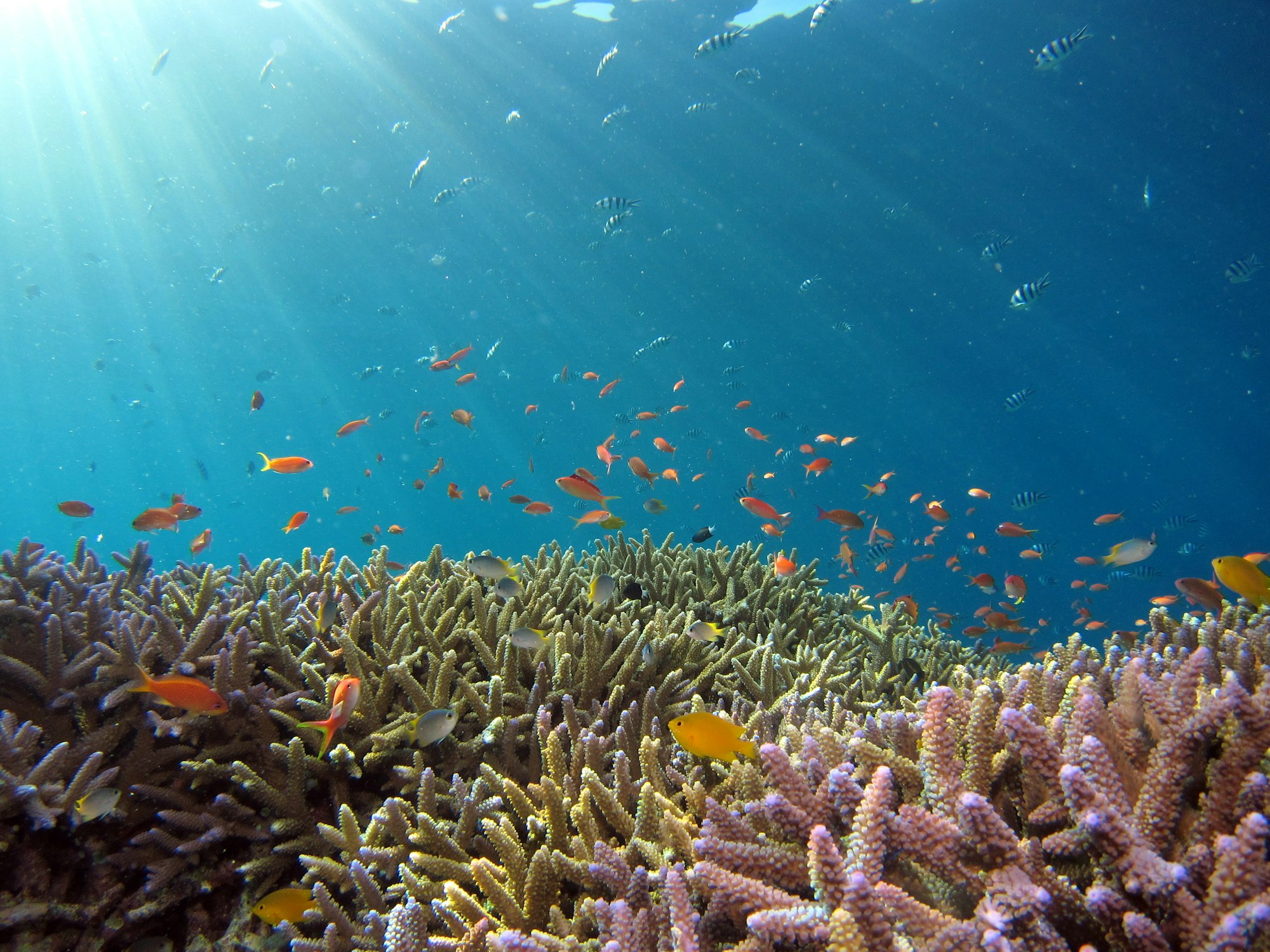
Manta Point is located on the southwestern coast of Nusa Penida and is the most reliable place in Bali to observe reef manta rays in their natural environment. The site centres on several coral head cleaning stations where manta rays circle continuously while small cleaner wrasses remove parasites from their skin. Most encounters happen at 5–15 m as the mantas rise to the cleaning stations, making this accessible even to snorkellers above. The site extends across a sandy seabed and a vibrant coral plateau, with a second cleaning station reachable by following the reef. Outside of stormy conditions, operators report manta encounter rates exceeding 90%.
Site Information
- Location: Southwest coast of Nusa Penida, Bali region
- Entry Type: Boat dive
- Site Type: Reef
- Difficulty Level: Beginner
- Maximum Depth: 15 meters
- Typical Visibility: 10–20 m
- Current: Variable; can be strong on the exposed southern coast
- Best Time: April to October for most stable conditions
Marine Life
Reef manta rays with wingspans up to 5 m are the headline attraction. Rare melanistic (all-black) manta rays have been recorded here. Blue-spotted stingrays rest on the sandy seabed, bamboo sharks cruise the reef base, and nudibranchs, Zanzibar shrimps, and porcelain crabs inhabit the coral structure. Mola mola (oceanic sunfish) are occasionally seen on the wall during the July–October season, and whale shark sightings have been recorded.
Dive Profile
Descend to the sandy seabed at around 12–15 m and approach the cleaning station slowly from a distance. Kneel or hover neutrally in the sand, remaining still while the mantas circle. Avoid rising above the mantas or chasing them. Follow the sandy plateau to the second cleaning station before ascending via the coral reef. Safety stop at 5 m for 3 minutes.
Entry and Exit
Boat only — no shore access exists. Depart from Toyapakeh (Nusa Penida) or Sanur (Bali). The boat journey can be rough crossing the Badung Strait; motion sickness medication is recommended for susceptible divers. Entry via back roll or giant stride.
Tips and Recommendations
- Approach cleaning stations slowly and stay low — do not shadow the mantas from above
- Wear a 5–7 mm wetsuit; water temperature can drop to 15–18°C on the exposed southern side
- Manta encounters are not guaranteed; operators will advise on alternative sites if conditions prevent access
- Stay at Nusa Penida for 2–3 days to maximise opportunities and explore other sites
- Early morning departures experience less boat traffic at the cleaning stations
Safety Considerations
The site is fully exposed to Indian Ocean swell, and surge can be powerful. Strong currents are possible. Only dive in good conditions and follow your guide’s briefing — operators cancel trips to this site when weather conditions are unsafe. A 5–7 mm wetsuit is essential due to cold water upwellings. Always carry an SMB.
Photography
Manta rays at close range on the cleaning station provide world-class wide-angle subjects. Use a rectilinear wide-angle lens for belly shots as they circle overhead. Avoid using flash on the mantas — natural light combined with sunbursts from above works beautifully at 10–15 m depth.
Sources: Nusa Penida.org - Diving Manta Point, Neptune Scuba Diving - Nusa Penida Sites, Manta Point Nusa Penida, Two Fish Divers - Nusa Penida. Last updated 2026-07-17.
Sea-surface temperature and wave height from Open-Meteo Marine (ERA5 reanalysis, monthly averages).
94 verified species observations (46 species) logged within ~11 km of this site between 1984 and 2021, from the Ocean Biodiversity Information System.
- Eviota algida
- Mobula alfredi · Reef manta ray
- Opistognathus castelnaui · Castelnau's Jawfish
- Lagocephalus sceleratus · Giant Toadfish
- Trimma xanthum · Yellow-red Pygmygoby
- Gobiidae · Gobies
- Triaenodon obesus
- Pseudochromis
- Pseudochromidae · Dottybacks
- Priolepis semidoliata · Barrel Goby
- Tridacna squamosa · fluted giant clam
- Tridacna maxima · small giant clam
Scientific survey records skew toward sampled taxa (molluscs, corals) and do not reflect what you are guaranteed to see on a dive.
Source: OBIS (obis.org), aggregated Darwin Core occurrence records.
Conditions change with the tide and the season. If you have dived this site, share what it was actually like — date, visibility, current, and what you saw. Real, recent reports from divers are exactly what this guide is built to collect.
Send a conditions report ›