Ped
8.6757°S 115.5160°E · wall
A drift dive along Nusa Penida’s sheltered north coast — sloping reefs, resident turtles, and frequent pelagic encounters.
Overview
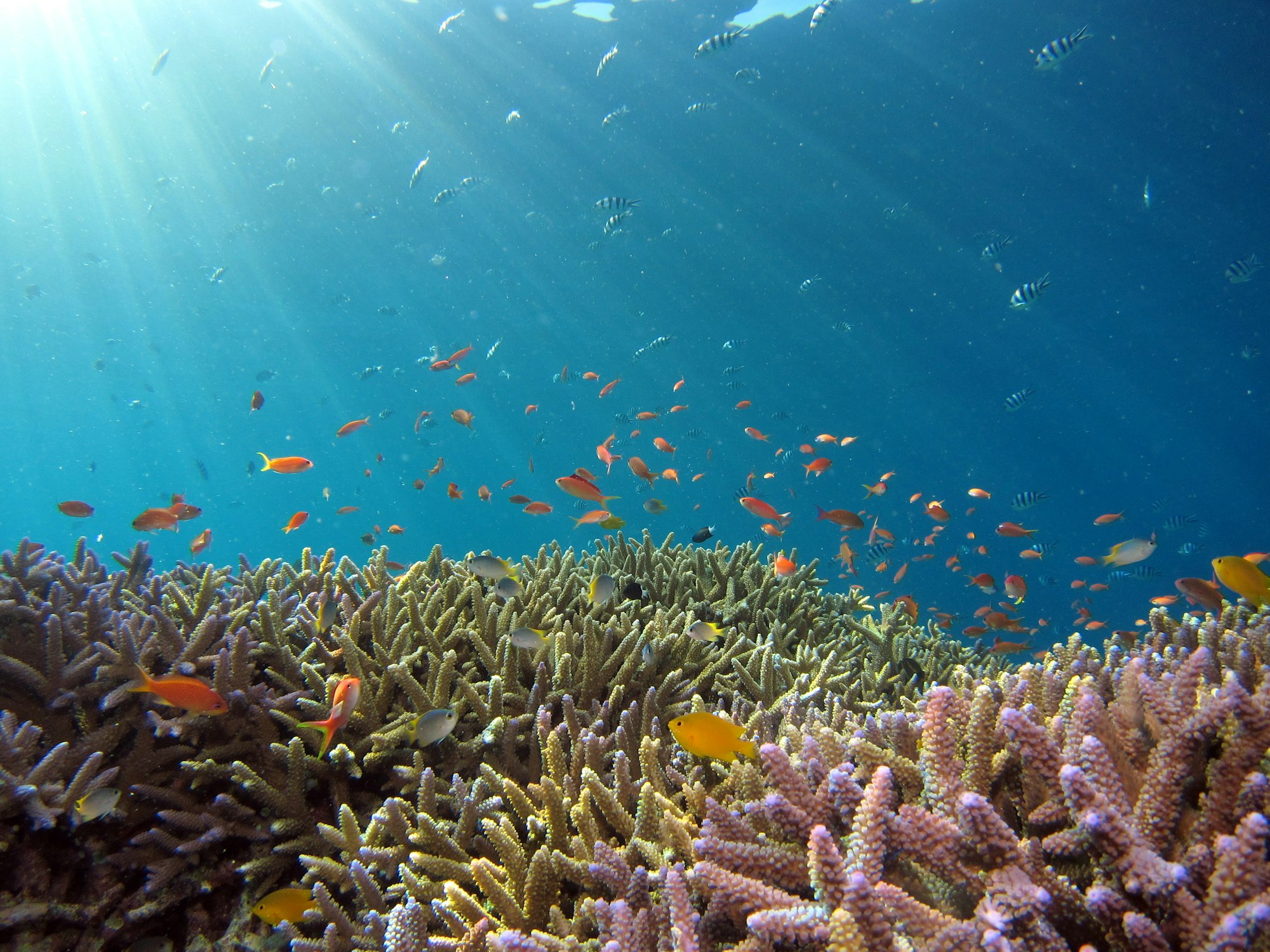
Pura PED is one of a string of north-coast Nusa Penida dive sites — alongside SD, Sental, and Buyuk — that line the more sheltered northern coastline of the island. The site features sloping coral reefs with consistent current that creates ideal conditions for drift diving through rich fish life. Unlike the dramatic, exposed southern sites, PED is more sheltered from the Indian Ocean swell, making it a reliable choice when conditions elsewhere are challenging. The current-swept slopes bring nutrient-rich water that supports dense populations of reef fish, turtles, and occasional pelagic visitors including giant trevally and, in season, mola mola.
Site Information
- Location: North coast of Nusa Penida, Bali region
- Entry Type: Boat dive
- Site Type: Wall dive
- Difficulty Level: Intermediate
- Maximum Depth: 30 meters
- Typical Visibility: 15–25 m
- Current: Moderate; consistent drift current along the wall
- Best Time: April to October
Marine Life
Green and hawksbill turtles are commonly found on the reef slope. Dense schools of fusiliers, anthias, and sweetlips follow the current along the wall. Giant trevally hunt in the blue water, and reef sharks are frequently sighted. During the July–October mola mola season, oceanic sunfish have been reported here. Macro life includes nudibranchs, shrimps, and small cephalopods in coral crevices.
Dive Profile
Descend at the upstream end of the site and drift along the reef slope at 15–25 m. The gentle gradient allows divers to control depth easily while observing fish life. Watch for turtles feeding on the reef crest in the shallows. Ascend gradually and complete a 3-minute safety stop at 5 m before signalling the boat with an SMB.
Entry and Exit
Boat access from Toyapakeh or Sanur. The north coast is more sheltered than the south, making crossings generally more comfortable. Entry via back roll. Drift toward the next site along the north coast if conditions and air allow.
Tips and Recommendations
- PED can be linked with nearby SD or Sental for a two-site drift along the north coast
- The north coast is the best option on days when southern sites have too much swell
- Watch the reef crest in the shallows for resident turtles grazing on the coral
- Mola mola are occasionally seen between July and October on this north slope
- A 3 mm wetsuit is usually sufficient; the north coast is warmer than southern sites
Safety Considerations
Drift currents can be strong and may accelerate unexpectedly. Stay aware of depth and avoid being swept deeper than planned. Always carry an SMB for drift dive ascents. Coordinate with the boat crew on the drift direction and pickup point before descending.
Photography
Wide-angle suits the sloping reef with schools of fusiliers and turtles. Turtles grazing in the shallows offer portrait opportunities with good natural light. The current-swept character of the site means quick composition is needed — practice shooting on the move.
Sources: Nusa Penida.org - Ped, SD Point, Sental, Purple Dive Penida - Ped, Aquamarine Diving - Sental, Ped, SD. Last updated 2026-07-17.
Sea-surface temperature and wave height from Open-Meteo Marine (ERA5 reanalysis, monthly averages).
323 verified species observations (93 species) logged within ~11 km of this site between 1994 and 2021, from the Ocean Biodiversity Information System.
- Caesio cuning
- Eviota algida
- Amphiprion perideraion
- Triaenodon obesus
- Mobula alfredi · Reef manta ray
- Amioides polyacanthus
- Abantennarius coccineus · Freckled Anglerfish
- Priolepis cincta · Banded Reef Goby
- Pseudochromis
- Trimma macrophthalmum · Flame Goby
- Pseudochromidae · Dottybacks
- Tridacna squamosa · fluted giant clam
Scientific survey records skew toward sampled taxa (molluscs, corals) and do not reflect what you are guaranteed to see on a dive.
Source: OBIS (obis.org), aggregated Darwin Core occurrence records.
Conditions change with the tide and the season. If you have dived this site, share what it was actually like — date, visibility, current, and what you saw. Real, recent reports from divers are exactly what this guide is built to collect.
Send a conditions report ›