Underwater Shrine
8.3376°S 115.6611°E · reef
Jemeluk Bay’s iconic marked temple sculpture on the sandy bottom — batfish gather beneath it in a scene unique to Amed diving.
Overview
The Underwater Shrine sits in Jemeluk Bay near Amed, where a traditional Balinese temple sculpture has been placed on the sandy seabed and is marked with a visible surface buoy. The shrine has become a gathering point for batfish, which hover in loose groups beneath the structure creating an atmospheric underwater scene. Jemeluk Bay itself is packed with diverse soft and hard corals along its perimeter, and the reef hosts lionfish, clownfish in anemones, butterflyfish, triggerfish, stingrays, and reliable schools of big-mouth mackerel. The bay is relatively sheltered with good visibility, making it a comfortable intermediate dive.
Site Information
- Location: Jemeluk Bay, Amed, northeast Bali
- Entry Type: Boat dive
- Site Type: Reef
- Difficulty Level: Intermediate
- Maximum Depth: 29 meters
- Typical Visibility: 15–25 m
- Current: Variable; generally mild inside the bay
- Best Time: April to November
Marine Life
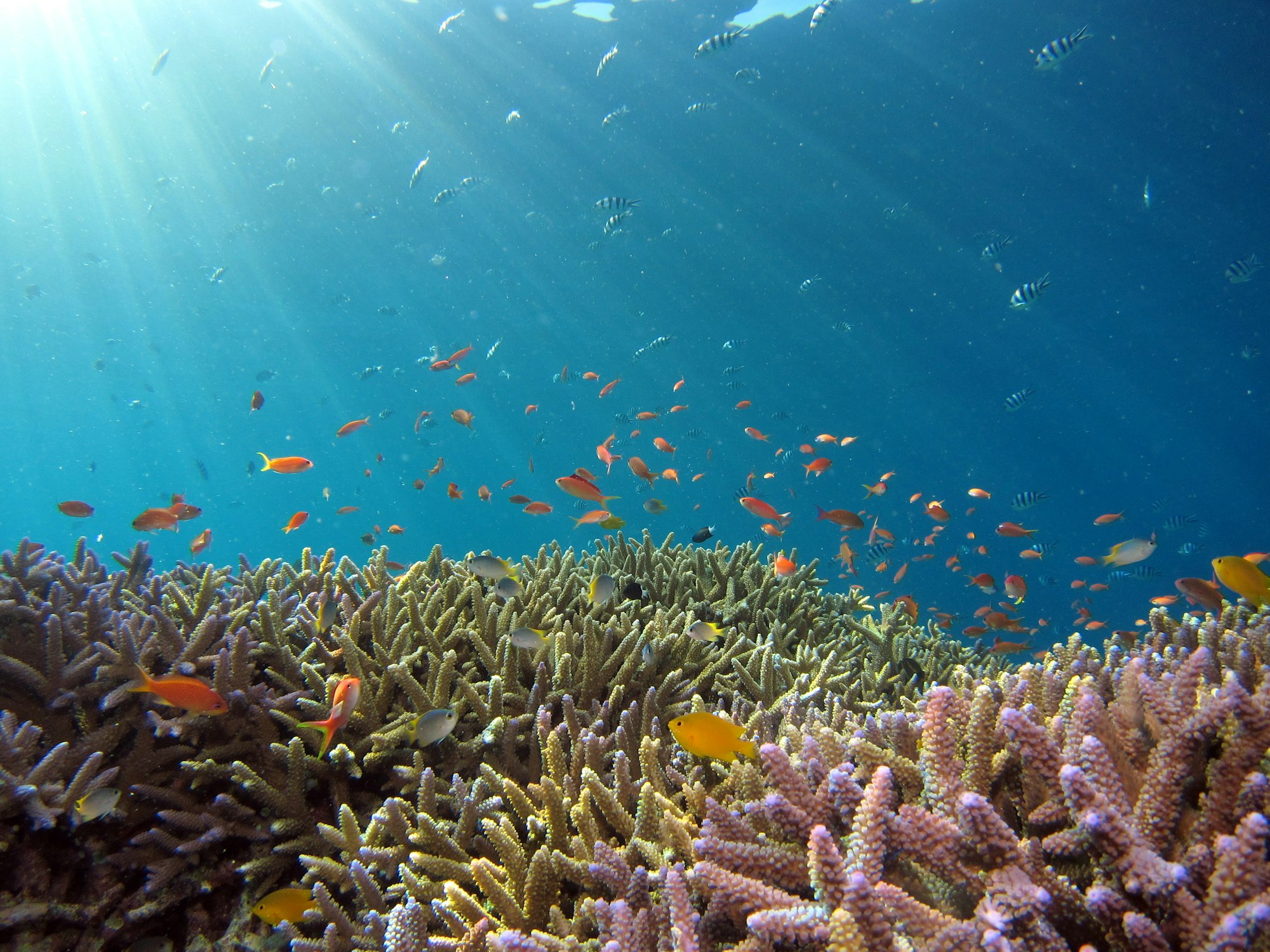
Batfish hover in groups beneath the shrine structure. Clownfish and their anemones are throughout the bay reef. Lionfish, stingrays, triggerfish, and butterflyfish are common. Dense schools of big-mouth mackerel patrol the bay in reliable formations. The sandy bottom around the shrine hosts garden eels and occasional octopus.
Dive Profile
Descend and navigate to the surface buoy marking the shrine. Spend time photographing the batfish and the shrine before exploring the surrounding reef. The bay reef runs at 10–25 m with occasional deeper sandy patches. Ascend gradually via the reef and complete a 3-minute safety stop at 5 m.
Entry and Exit
Boat dive with Amed operators. Short trip from the main Amed beach. The buoy marking the shrine is visible from the surface. Entry via back roll or giant stride. Ascend away from the buoy line to avoid entanglement.
Tips and Recommendations
- Locate the surface buoy first to orient yourself, then descend directly to the shrine
- The batfish are accustomed to divers — approach slowly and they will remain in position
- Combine the shrine visit with a full Jemeluk Bay circuit to see the mackerel schools
- The Jemeluk Wall nearby is worth a second dive for its deeper reef and gorgonians
- Good site for an afternoon dive after morning dives at Pyramids or Batu Kelebit
Safety Considerations
Be cautious of boat traffic near the surface buoy when ascending. Maintain good buoyancy to avoid damaging the coral around the shrine base. Lionfish resting under overhangs near the shrine are venomous — observe from a safe distance. Current can pick up in the afternoon as tide changes.
Photography
The shrine with batfish hovering beneath it is the signature subject of Jemeluk Bay. Wide-angle captures the full scene with the structure and fish together. Macro photographers will find clownfish, nudibranchs, and critters on the surrounding reef corals. The mackerel schools can produce stunning wide-angle action shots.
Sources: Bali AQua - Amed Diving, Atlantis Bali Diving - Amed, Dive Concepts - Jemeluk Bay. Last updated 2026-07-17.
Sea-surface temperature and wave height from Open-Meteo Marine (ERA5 reanalysis, monthly averages).
3687 verified species observations (250 species) logged within ~11 km of this site between 1987 and 2025, from the Ocean Biodiversity Information System.
- Scolecenchelys macroptera · Narrow Worm Eel
- Pteropsaron
- Abantennarius coccineus
- Callionymidae · Dragonets
- Trimma unisquame · Blackmargin Pygmy Goby
- Trimma stobbsi
- Plectranthias longimanus · Longfin Perchlet
- Scolopsis affinis
- Limnichthys nitidus · Donaldson's Sandburrower
- Gymnothorax pseudoherrei · False Brown Moray
- Trimma okinawae · Orange Spot Goby
- Eviota shimadai
Scientific survey records skew toward sampled taxa (molluscs, corals) and do not reflect what you are guaranteed to see on a dive.
Source: OBIS (obis.org), aggregated Darwin Core occurrence records.
Conditions change with the tide and the season. If you have dived this site, share what it was actually like — date, visibility, current, and what you saw. Real, recent reports from divers are exactly what this guide is built to collect.
Send a conditions report ›