Nagano Maru
7.3660°N 151.9144°E · wreck
Nagano Maru
A 3,810-ton freighter featuring a rare quadruple expansion steam engine — one of Chuuk’s deeper wrecks at 59 meters, rewarding technical divers with unique engineering history.
Overview
The Nagano Maru was a 3,810-ton freighter, 105 meters long, sunk on February 17, 1944, the first day of Operation Hailstone. She now rests on the lagoon floor as one of the deeper wrecks in Chuuk, with the bridge at 45 meters, the engine room at approximately 54 meters, and the holds reaching 59 meters.
The Nagano Maru’s most distinctive feature is her rare quadruple expansion steam engine — a propulsion system seldom encountered on wrecks anywhere in the world. The engine room is accessible via skylights, offering technical divers the chance to examine this unusual piece of marine engineering. The holds contain coal, corrugated iron, and drums. While her depth places her firmly in technical diving territory, the Nagano Maru rewards experienced divers with a wreck that offers something genuinely different from the rest of the Chuuk fleet.
Site Information
- Location: Chuuk Lagoon, Chuuk State, Micronesia
- Entry Type: Boat dive
- Site Type: Wreck dive
- Difficulty Level: Advanced
- Maximum Depth: 59 meters
- Typical Visibility: 15-30 meters (50-100 feet)
- Current: Generally mild inside the lagoon
- Best Time: Year-round; December to April offers calmest conditions
Marine Life
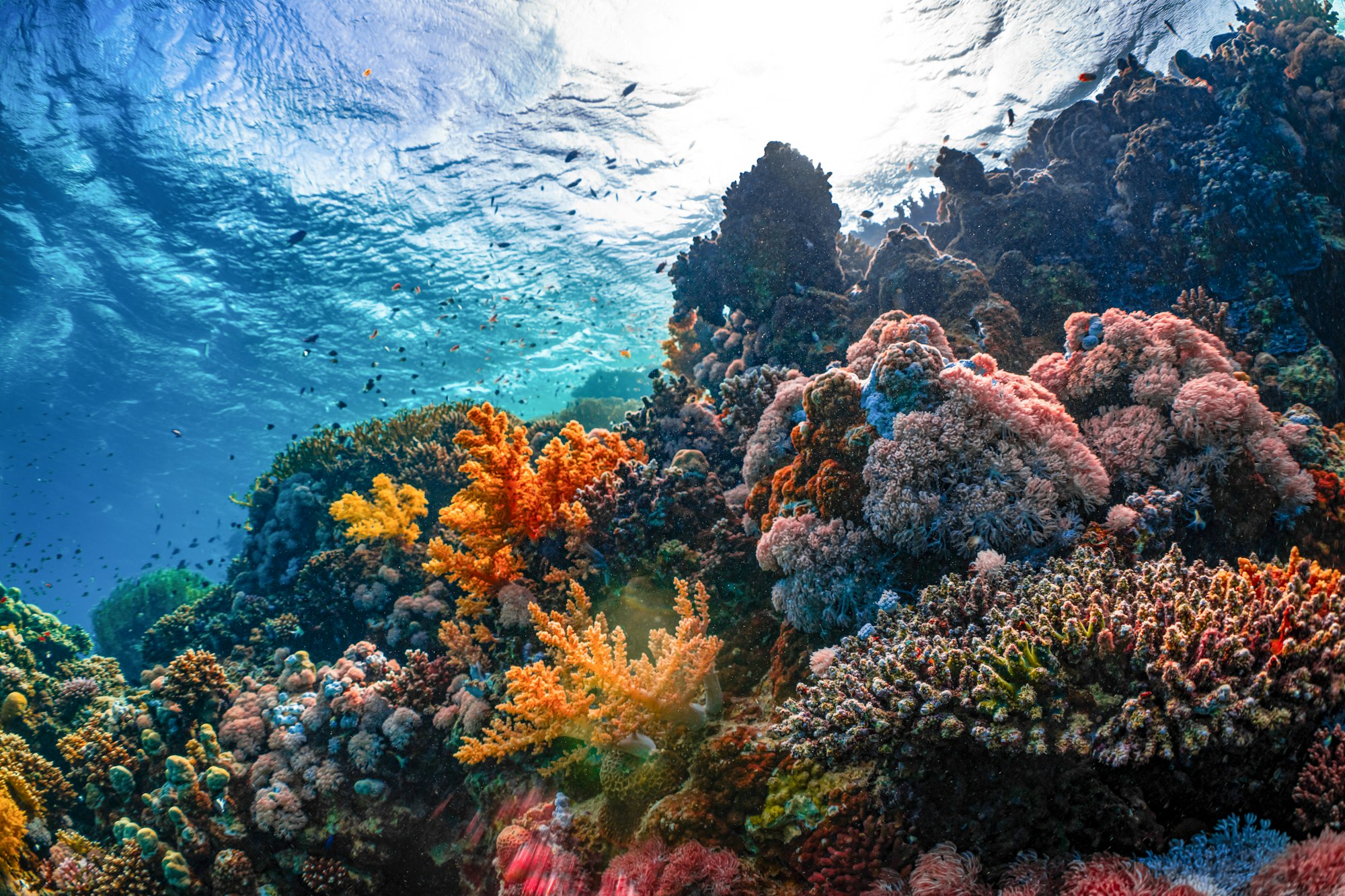
The Nagano Maru’s superstructure and hull support coral growth and encrusting sponges. The depth means less prolific coral colonization than shallower wrecks, but the reduced ambient light favors soft corals and sea fans on the upper structure. Schools of fusiliers are seen in the water column. Glassy sweepers occupy the engine room and interior spaces. Lionfish hunt in the shadowed recesses.
Dive Profile
The bridge at 45 meters is the shallowest major structure and the most practical focus for a dive. From the bridge, divers can work aft to the engine room at approximately 54 meters, where the rare quadruple expansion steam engine is the standout feature. Access to the engine room is via skylights in the deck above. The holds, reaching 59 meters, contain coal, corrugated iron, and drums. Bottom time at these depths is extremely limited — most divers must choose between the engine room and the holds rather than attempting both on a single dive. Careful gas planning is essential, and mandatory decompression stops will be significant.
Entry and Exit
Access is by dive boat from Weno-based operators. Entry is by giant stride. Descend along the mooring line to the wreck. The depth means a long descent — maintain awareness of depth and descent rate. Deploy an SMB for ascent. The sheltered lagoon location provides calm surface conditions for the extended decompression stops required after deep profiles.
Tips and Recommendations
- Technical diving certification and experience with mandatory decompression are essential for this wreck
- The quadruple expansion steam engine is the unique feature — if you dive the Nagano Maru, prioritize the engine room
- Access the engine room via the skylights in the deck above; carry primary and backup torches
- Choose between an engine room dive and a holds dive — attempting both on a single dive wastes precious bottom time on transit
- Trimix is the appropriate breathing gas for extended exploration at 54-59 meters
- The bridge at 45 meters provides the most accessible exploration point and a useful reference during ascent
Safety Considerations
The Nagano Maru is a war grave — removing any artifacts is strictly illegal under Chuuk State law. At 59 meters, this is one of the deepest regularly dived wrecks in Chuuk and is strictly a technical dive. Extended mandatory decompression stops are unavoidable. The engine room, accessed via skylights, is an overhead environment requiring wreck penetration training, redundant lights, and a clear exit plan. Trimix or advanced nitrox mixes are necessary for the depth. Gas management must account for the extended decompression obligation. The holds contain coal and other cargo that should not be disturbed. Always dive with a qualified buddy and carry appropriate bailout gas.
Photography
The Nagano Maru’s quadruple expansion steam engine is a subject of genuine rarity — photographs of this engine room are unlike those from any other wreck dive. The challenge is the depth: at 54 meters, ambient light is minimal and powerful strobes are essential. The engine room skylights provide some overhead light that can be used for atmospheric compositions. The bridge at 45 meters offers more accessible photography with slightly better ambient light. The extreme depth and limited bottom time demand that compositions be pre-planned to make efficient use of the available minutes.
Sources: Michael McFadyen’s Scuba Diving - Nagano Maru, Dive3D - Nagano Maru, Scuba Diving Earth - Truk Lagoon Deep Wrecks. Last updated 2026-05-22.
Sea-surface temperature and wave height from Open-Meteo Marine (ERA5 reanalysis, monthly averages).
1851 verified species observations (165 species) logged within ~11 km of this site between 1956 and 2014, from the Ocean Biodiversity Information System.
- Ctenochaetus striatus · Small-bodied acanthurid
- Scaridae · Small-bodied parrotfish
- Chlorurus sordidus · Small-bodied parrotfish
- Chlorurus bleekeri · Small-bodied parrotfish
- Scarus psittacus · Small-bodied parrotfish
- Siganus doliatus · Rabbitfish
- Hipposcarus longiceps · Large-bodied parrotfish
- Monotaxis grandoculis · Large-bodied emperor
- Scarus globiceps · Small-bodied parrotfish
- Scarus rivulatus · Small-bodied parrotfish
- Chordata
- Siganus vulpinus · Rabbitfish
Scientific survey records skew toward sampled taxa (molluscs, corals) and do not reflect what you are guaranteed to see on a dive.
Source: OBIS (obis.org), aggregated Darwin Core occurrence records.
Conditions change with the tide and the season. If you have dived this site, share what it was actually like — date, visibility, current, and what you saw. Real, recent reports from divers are exactly what this guide is built to collect.
Send a conditions report ›