San Francisco Maru
7.3641°N 151.9102°E · wreck
San Francisco Maru
THE wreck of Chuuk Lagoon — and arguably the world. The “Million Dollar Wreck” carries three Type-95 Ha-Go tanks on deck, a steamroller, fuel tankers, mines, torpedoes, and depth charges across 62 meters of depth.
Overview
The San Francisco Maru is a 5,831-ton Taifuku Maru class cargo vessel built in March 1919 by Kawasaki Dockyard in Kobe. She sank during Operation Hailstone in February 1944 and is known universally as the “Million Dollar Wreck” — widely considered the single greatest wreck dive in Chuuk Lagoon and a strong contender for the finest wreck dive in the world. The sheer volume, variety, and military significance of her cargo is unmatched anywhere in recreational or technical diving.
Three Type-95 Ha-Go light tanks sit on the deck — the most famous individual artifacts in all of Chuuk (two to starboard stacked on each other, one to port). The steamroller rests on the sand approximately 30 meters from the wreck’s side, having fallen off the deck as the ship sank. The holds contain hundreds of hemispherical beach mines with detonators, crates of cordite, dozens of torpedoes, depth charges, fuel tankers, trucks, tractors, aircraft fuselage components, and 200-litre drums. The bridge sits at approximately 50 meters (sources conflict between 45 and 50 meters; Michael McFadyen’s detailed survey gives 50 meters, and deck-level depths are approximately 55 meters). Every aspect of this wreck speaks to the massive logistics operation that sustained Japan’s Pacific garrisons.
Site Information
- Location: Chuuk Lagoon, Chuuk State, Micronesia
- Entry Type: Boat dive
- Site Type: Wreck dive
- Difficulty Level: Advanced
- Maximum Depth: 62 meters
- Typical Visibility: 15-30 meters (50-100 feet)
- Current: Generally mild inside the lagoon
- Best Time: Year-round; December to April offers calmest conditions
Marine Life
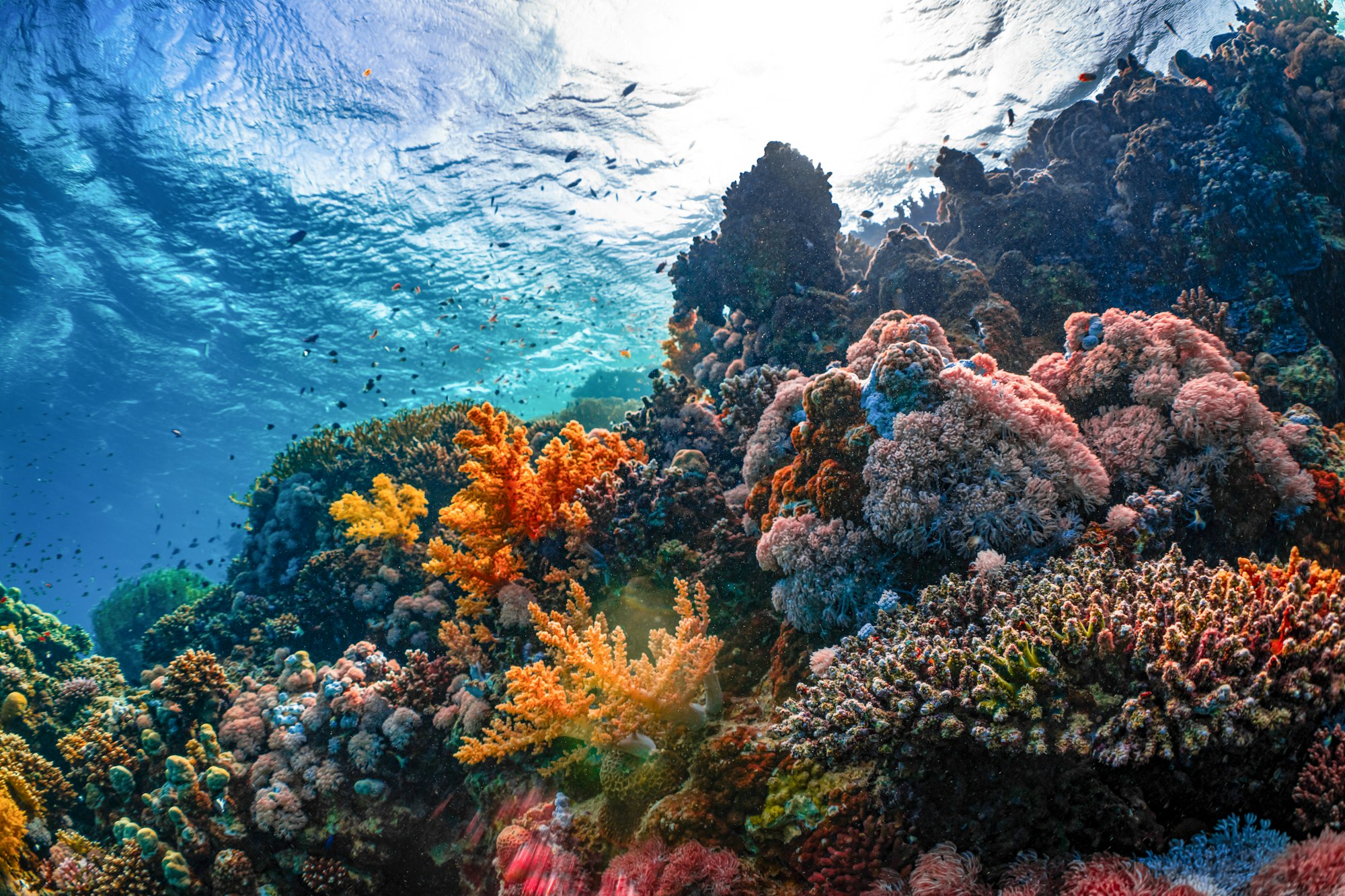
Despite her depth, the San Francisco Maru’s structure supports marine life across its profile. The upper portions of the superstructure host coral growth, sea fans, and sponges. Schools of fusiliers and jacks are present in the water column. Glassy sweepers occupy interior spaces. The tanks and deck cargo are partially encrusted with coral and sponge growth after more than eight decades underwater, softening their military outlines with the slow work of marine colonization.
Dive Profile
This is one of the most demanding recreational wreck dives in the world. The tanks on deck are the primary attraction, and they sit at approximately 50—55 meters. The bridge area is at approximately 50 meters — even this shallowest significant structure is deep by any standard. The three Ha-Go tanks on the deck are immediately recognizable even with coral encrustation. The steamroller on the sand at 63 meters (approximately 30 meters off the wreck’s side) requires a brief excursion to maximum depth. The holds contain hundreds of beach mines, crates of cordite, dozens of torpedoes, depth charges, fuel tankers, trucks, and tractors. Bottom time at 50—62 meters is extremely limited. Most divers must choose specific features for each dive rather than attempting to see everything. Multiple dives are virtually mandatory to appreciate the full extent of the cargo.
Entry and Exit
Access is by dive boat from Weno-based operators. Entry is by giant stride. Descend along the mooring line to the wreck — the descent itself is significant, reaching 45 meters before the first structure appears. Deploy an SMB for ascent. The calm lagoon surface conditions are essential for the extended decompression stops required after deep profiles on this wreck.
Tips and Recommendations
- Technical diving certification with extensive decompression experience is essential — this is not a dive for the inexperienced
- Plan multiple dives: one focused on the tanks and bridge, another on the holds, another on the steamroller and deep features
- The three Ha-Go tanks are the defining feature of Chuuk diving — ensure your dive plan allocates maximum time with them
- The steamroller at 63 meters requires the deepest excursion; visit it first and begin ascending immediately
- Trimix is the appropriate breathing gas for this depth; discuss gas planning and bailout procedures with your operator
- This wreck demands the most careful gas management and dive planning of any site in Chuuk
Safety Considerations
The San Francisco Maru is a war grave — removing any artifacts is strictly illegal under Chuuk State law. This wreck contains extensive live ordnance including torpedoes, depth charges, beach mines, and cordite — do not touch, bump, or disturb any cargo under any circumstances. At 62 meters, this is unambiguously a technical dive requiring appropriate training, equipment, and gas planning. Extended mandatory decompression is unavoidable. The depth means narcosis is a serious concern on air — trimix is strongly recommended. Hold penetration at these depths compounds the risk dramatically and should only be attempted by highly experienced wreck divers with redundant equipment. Every safety margin matters on this dive; plan conservatively and abort at the first sign of any problem.
Photography
The San Francisco Maru offers the most iconic wreck photography in Chuuk — and arguably anywhere. The three Ha-Go tanks on deck are the definitive image of Truk Lagoon diving, and capturing them well requires careful planning given the depth and limited bottom time. Pre-plan compositions to use the available minutes efficiently. A diver positioned beside a tank provides essential scale. Powerful strobes are mandatory at 45-62 meters to restore color. The variety of cargo — tanks, steamroller, fuel tankers, mines, torpedoes — means each dive can yield a completely different photographic portfolio. The depth and decompression obligation make post-processing flexibility important; shoot RAW if your camera supports it.
Sources: Michael McFadyen’s Scuba Diving - San Francisco Maru, Dirty Dozen Expeditions - San Francisco Maru, Argunners - San Francisco Maru, Master Liveaboards - San Francisco Maru. Last updated 2026-05-22.
Sea-surface temperature and wave height from Open-Meteo Marine (ERA5 reanalysis, monthly averages).
1849 verified species observations (165 species) logged within ~11 km of this site between 1956 and 2014, from the Ocean Biodiversity Information System.
- Ctenochaetus striatus · Small-bodied acanthurid
- Scaridae · Small-bodied parrotfish
- Chlorurus sordidus · Small-bodied parrotfish
- Chlorurus bleekeri · Small-bodied parrotfish
- Scarus psittacus · Small-bodied parrotfish
- Siganus doliatus · Rabbitfish
- Hipposcarus longiceps · Large-bodied parrotfish
- Monotaxis grandoculis · Large-bodied emperor
- Scarus globiceps · Small-bodied parrotfish
- Scarus rivulatus · Small-bodied parrotfish
- Chordata
- Siganus vulpinus · Rabbitfish
Scientific survey records skew toward sampled taxa (molluscs, corals) and do not reflect what you are guaranteed to see on a dive.
Source: OBIS (obis.org), aggregated Darwin Core occurrence records.
Conditions change with the tide and the season. If you have dived this site, share what it was actually like — date, visibility, current, and what you saw. Real, recent reports from divers are exactly what this guide is built to collect.
Send a conditions report ›