Shotan Maru
7.3622°N 151.9180°E · wreck
Shotan Maru
A 1,999-ton Standard Type 1D wartime freighter sitting upright with a slight list — under-dived but worthwhile for those wanting to explore beyond Chuuk’s marquee wrecks.
Overview
The Shotan Maru was a 1,999-ton vessel of the Standard Type 1D class, a standardized wartime freighter design (approximately 87 meters long) built in 1942 to meet Japan’s urgent need for cargo tonnage as the Pacific War consumed merchant shipping. She sank when a bomb hit the aft hold during the American attacks on Truk Lagoon and now rests upright on the lagoon floor with a slight list to port. The hold depths range from approximately 36 meters at the shallowest structure to 45—53 meters at the hold bottoms, with the maximum depth around 53 meters.
The Shotan Maru is one of Chuuk’s under-dived wrecks. She lacks the famous cargo of the San Francisco Maru or the aircraft parts of the Fujikawa Maru, but she offers a worthwhile dive for those wanting to move beyond the marquee sites. The bow sits at approximately 40 meters, the bridge at about 37 meters, and the hold bottoms at 47 to 49 meters. Her compact size — typical of the Type 1D standard design — means the entire wreck can be explored on a single dive.
Site Information
- Location: Chuuk Lagoon, Chuuk State, Micronesia
- Entry Type: Boat dive
- Site Type: Wreck dive
- Difficulty Level: Intermediate
- Maximum Depth: 40 meters
- Typical Visibility: 15-30 meters (50-100 feet)
- Current: Generally mild inside the lagoon
- Best Time: Year-round; December to April offers calmest conditions
Marine Life
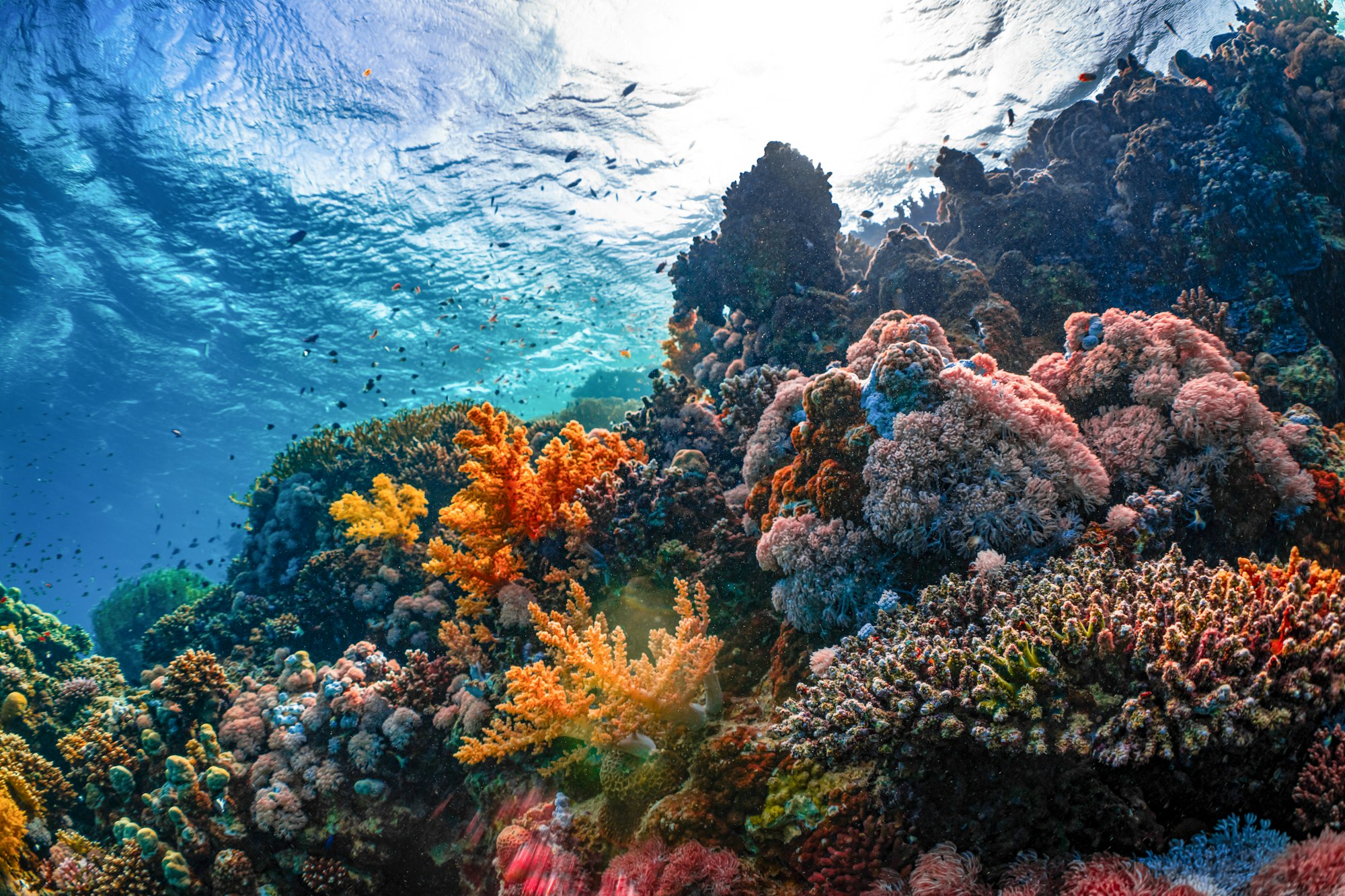
The Shotan Maru’s infrequent diver traffic has allowed marine life to develop with minimal disturbance. Coral growth covers the superstructure and exposed deck areas. Hard and soft corals, sea fans, and sponges encrust the railings, masts, and hull. Schools of fusiliers patrol the surrounding water. Glassy sweepers occupy interior spaces, and lionfish are found in shadowed recesses throughout the wreck. The undisturbed conditions may yield marine life encounters less common on the heavily visited wrecks.
Dive Profile
The bridge at approximately 37 meters provides the shallowest superstructure and a natural starting point. From the bridge, divers can move forward to the bow at 40 meters or aft to explore the holds. The hold bottoms at 47 to 49 meters represent the deeper reaches of the dive. The upright position with only a slight list to port makes the layout intuitive and interior navigation relatively straightforward compared to the severely listed wrecks elsewhere in the lagoon. The compact size of the Type 1D design means the entire vessel can be covered efficiently. Plan deepest excursions first and work progressively shallower.
Entry and Exit
Access is by dive boat from Weno-based operators. The Shotan Maru is not commonly requested, so arrange the dive in advance with your operator. Entry is by giant stride. Descend along the mooring line to the wreck. The upright position makes the wreck easy to orient to on arrival. Surface at the mooring line or deploy an SMB. Lagoon conditions are generally calm.
Tips and Recommendations
- Request this wreck for a change of pace from the heavily dived marquee wrecks — it offers a quieter, more personal experience
- The near-upright position makes navigation easy and the compact design means nothing is far away
- The bridge at 37 meters is the most accessible feature and a good focus for a first dive on this wreck
- Nitrox or trimix is recommended given the hold bottoms at 47-49 meters
- Carry primary and backup torches for engine room and hold exploration
- Consider combining with a shallower second dive on one of the aircraft wrecks or the Gosei Maru
Safety Considerations
The Shotan Maru is a war grave — removing any artifacts is strictly illegal under Chuuk State law. While rated as Intermediate difficulty, the hold bottoms at 47-49 meters and maximum depth of 50 meters mean that the deepest portions of the wreck are in technical diving territory where mandatory decompression may be required. The bridge and upper structure at 37-40 meters are more accessible but still demand careful gas planning. The near-upright position reduces disorientation risk compared to wrecks with extreme lists, but standard wreck penetration precautions still apply: wreck training, redundant lights, and a clear exit plan for any overhead environments. Maintain proper trim and buoyancy to avoid silt disturbance in enclosed spaces.
Photography
The Shotan Maru offers the opportunity for wreck photography without other dive groups in the frame — a genuine advantage for clean compositions. The near-upright position provides conventional wreck perspectives that are easy to compose. The bridge at 37 meters and the bow at 40 meters provide accessible exterior subjects. Interior shots of the holds and engine room require powerful strobes at these depths. The wreck’s compact size means a single wide-angle lens can serve for the entire dive. The absence of spectacularly famous cargo means photographic interest lies more in the wreck’s structure, coral growth, and overall atmosphere.
Sources: Michael McFadyen’s Scuba Diving - Shotan Maru, Dive3D - Shotan Maru, trukwreckdiving.com - Shotan Maru. Last updated 2026-05-22.
Sea-surface temperature and wave height from Open-Meteo Marine (ERA5 reanalysis, monthly averages).
1834 verified species observations (164 species) logged within ~11 km of this site between 1956 and 2014, from the Ocean Biodiversity Information System.
- Ctenochaetus striatus · Small-bodied acanthurid
- Scaridae · Small-bodied parrotfish
- Chlorurus sordidus · Small-bodied parrotfish
- Chlorurus bleekeri · Small-bodied parrotfish
- Scarus psittacus · Small-bodied parrotfish
- Siganus doliatus · Rabbitfish
- Hipposcarus longiceps · Large-bodied parrotfish
- Monotaxis grandoculis · Large-bodied emperor
- Scarus globiceps · Small-bodied parrotfish
- Scarus rivulatus · Small-bodied parrotfish
- Chordata
- Mulloidichthys flavolineatus · Goatfish
Scientific survey records skew toward sampled taxa (molluscs, corals) and do not reflect what you are guaranteed to see on a dive.
Source: OBIS (obis.org), aggregated Darwin Core occurrence records.
Conditions change with the tide and the season. If you have dived this site, share what it was actually like — date, visibility, current, and what you saw. Real, recent reports from divers are exactly what this guide is built to collect.
Send a conditions report ›