Kansas Namena
17.1200°S 179.0967°E · reef
Kansas Namena
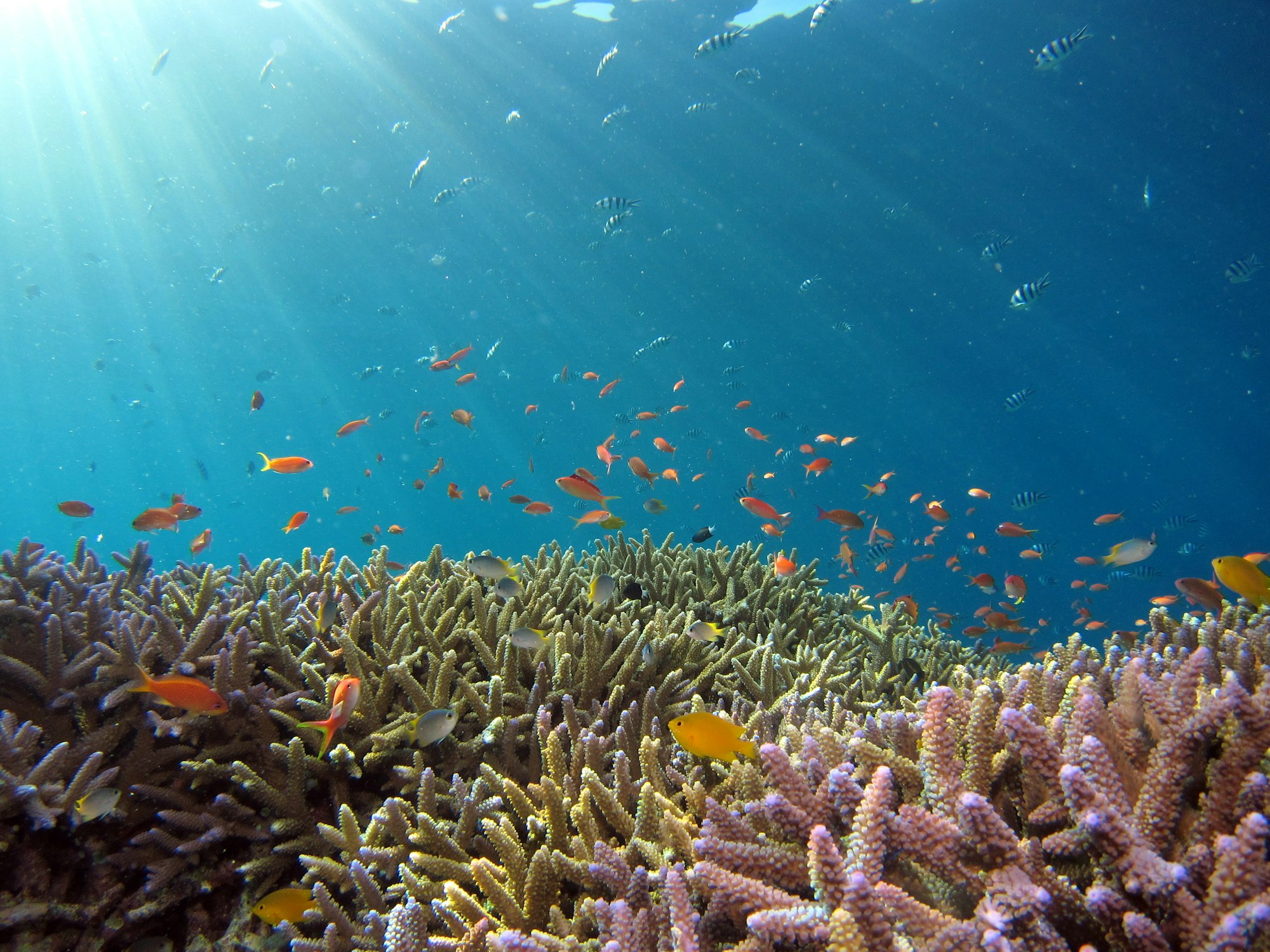
A vast reefscape of Sinularia soft corals that bloom like wheat fields in the current — one of Namena Marine Reserve’s most distinctive dives.
Overview
Kansas is a dive site within Namena Marine Reserve, the largest no-take reserve in Fiji, established in 1997 and encompassing approximately 70 square kilometers around Namenalala Island in the Koro Sea. Kansas is described by multiple operators as “a vast reefscape blanketed in Sinularia soft corals on the top” — a different soft coral character than the Dendronephthya-dominated walls of Taveuni. When the current flows, the Sinularia colonies extend and create a mesmerizing, colorful tapestry across the reef crest and upper slopes. The name reportedly evokes the visual sweep of an expansive, undulating landscape. Kansas is positioned as a complementary site to Grand Central Station and North Save-a-Tack, the reserve’s more pelagic-focused dives, offering a more intimate reef environment with abundant small marine life alongside typical Namena shark activity.
Site Information
- Location: Namena Marine Reserve, Koro Sea, Fiji (south of Vanua Levu)
- Entry Type: Boat dive
- Site Type: Reef
- Difficulty Level: Intermediate
- Maximum Depth: 20 meters
- Typical Visibility: 20–35 meters (65–115 feet)
- Current: Moderate; varies with tide
- Best Time: May to October
Marine Life
Species confirmed at Kansas by operator accounts include: anemones with clownfish, anthias, fusiliers, sweetlips, tuna, reef sharks (species not specified beyond “reef sharks”), Spanish mackerel, nudibranchs, and leaf scorpionfish. Waterlust Fiji describes a “Kansas window” at 10 meters with concentrated macro and small-fish activity. Namena as a whole is a known migration route for grey reef sharks, hammerhead sharks, manta rays, nurse sharks, marlin, and dolphins — these species are recorded across the reserve but not all are confirmed sightings specific to the Kansas site. The reserve’s no-take enforcement has resulted in visibly larger fish and denser populations relative to unprotected reefs.
Note: The current markdown previously attributed pygmy seahorses (Hippocampus bargibanti) specifically to Kansas; this claim has not been confirmed by a source documenting sightings at the Kansas site specifically and has been removed.
Dive Profile
The site features a broad soft coral reefscape at depths of 10–20 meters. Most operators move the group across the reef following the current direction, allowing the current-extended Sinularia to display fully. Begin at the deeper sections and ascend progressively toward the 8–12 meter crest zone where the soft coral coverage is densest and light is brightest. Plan 60–70 minutes for a full exploration of the reef. The reserve charges entry fees distributed to the local village.
Entry and Exit
Access is by boat from Savusavu-based operators (approximately 2 hours each way) or from liveaboards transiting the Koro Sea. Namena Marine Reserve entry fees apply. Entry and exit conditions are generally calm within the reef system. Check current direction before the dive.
Tips and Recommendations
- Allocate multiple dives at Namena: Kansas is one of several distinctive sites in the reserve. Operators running full-day trips typically include multiple Namena sites.
- Watch the sandy channels: Sharks and rays resting between coral formations are easily overlooked when the soft coral above is spectacular.
- Respect the reserve fees: The fees support the Namena village community that enforces the no-take zone, which directly produces the exceptional fish life.
- The current matters: Kansas is significantly better when current is flowing — the Sinularia corals extend fully and the fish activity increases.
Safety Considerations
Namena Marine Reserve lies in open water and boat travel can be rough in trade wind conditions. Confirm sea state before the journey. The dive site itself is benign; current is manageable and depth is limited. Deploy an SMB before ascending — small boats may be mooring nearby.
Photography
Kansas rewards close-focus wide-angle photography of the Sinularia soft coral reefscape. Position yourself at 10–15 meters looking along the reef crest with soft coral extending in the current, using strobes to reveal the coral’s true warm colors against the ambient blue. Macro shooters have access to nudibranchs, leaf scorpionfish, and small crustaceans in the reef matrix. The 10-meter Kansas window, as described by Waterlust Fiji, is particularly productive for compact systems shooting close-focus wide-angle.
Sources: Waterlust Fiji - Scuba Diving Namena Reserve, Fijieco - Namena Marine Reserve, Namena Island - Diving. Last updated 2026-05-25.
Sea-surface temperature and wave height from Open-Meteo Marine (ERA5 reanalysis, monthly averages).
122 verified species observations (81 species) logged within ~11 km of this site between 1849 and 2003, from the Ocean Biodiversity Information System.
- Triaenodon obesus · White-tip Reef Shark
- Serranidae · Groupers
- Carcharhinus amblyrhynchos · Grey Reef Shark
- Gobiidae · Gobies
- Labridae · Wrasses
- Apogonidae · Cardinals
- Tetraodontidae · Pufferfishes
- Blenniidae · Blennies
- Amphiprion
- Lethrinidae · Emperors
- Cirrhitidae · Hawkfish
- Chaetodontidae · Butterflyfish
Scientific survey records skew toward sampled taxa (molluscs, corals) and do not reflect what you are guaranteed to see on a dive.
Source: OBIS (obis.org), aggregated Darwin Core occurrence records.
Conditions change with the tide and the season. If you have dived this site, share what it was actually like — date, visibility, current, and what you saw. Real, recent reports from divers are exactly what this guide is built to collect.
Send a conditions report ›