Manta Reef Kadavu
19.0500°S 178.2167°E · reef
Manta Reef Kadavu
A submerged reef outside the Great Astrolabe Barrier Reef where reef manta rays feed year-round and occasionally stop at cleaning stations.
Overview
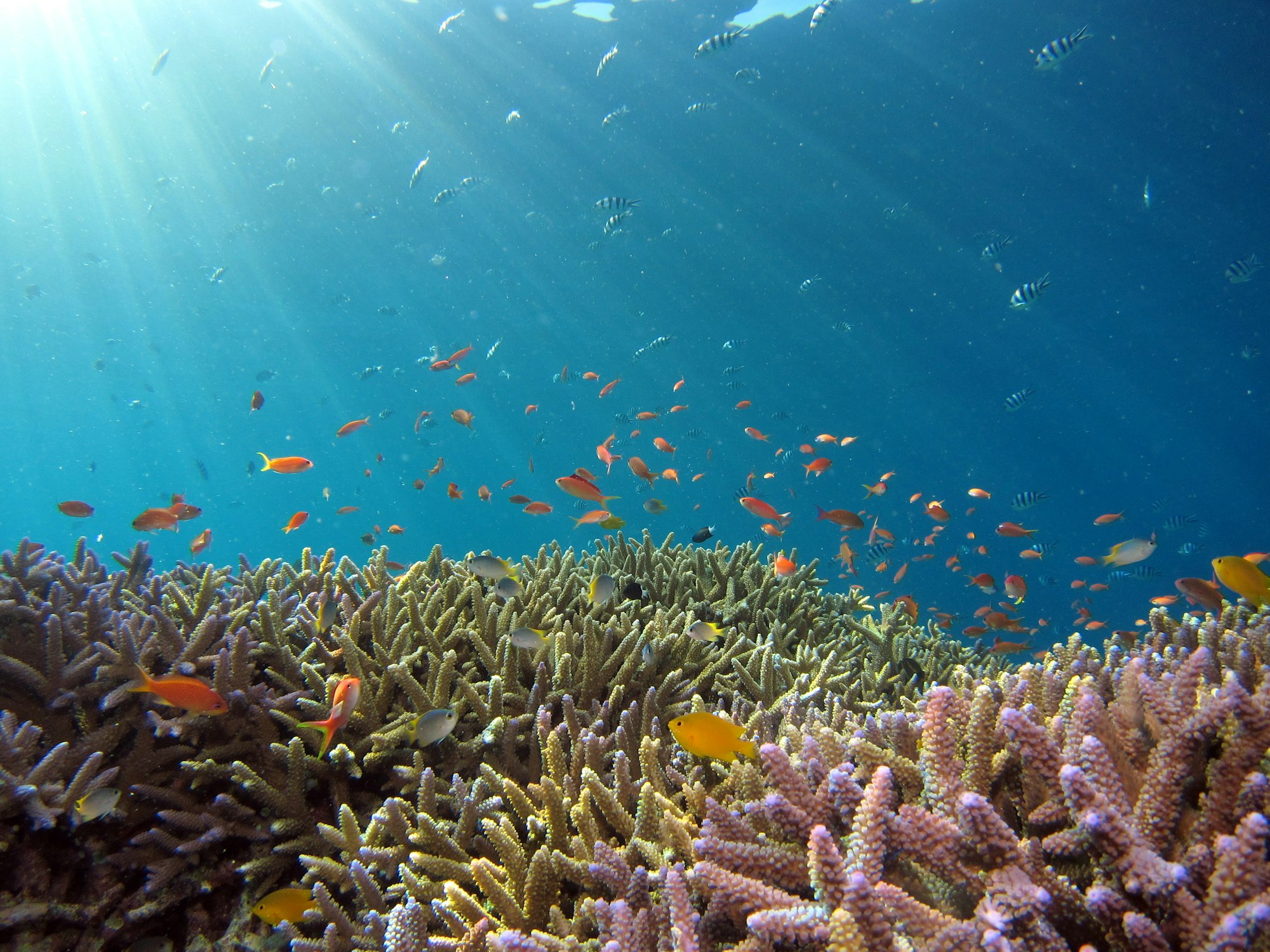
Manta Reef sits approximately 40 minutes by boat from Kadavu’s resort areas, outside the Great Astrolabe Reef system — Fiji’s fourth-largest island and one of the Pacific’s most pristine diving destinations. The site is a submerged reef within a nutrient-rich feeding zone for reef manta rays (Mobula alfredi). Operator accounts from Papageno Resort describe it as a primarily feeding site where a resident manta population is supplemented by visiting pelagic mantas; cleaning station behavior also occurs here, but is secondary to the feeding activity. The Great Astrolabe Reef provides the broad ecosystem that sustains the manta population. Kadavu is accessed by a 45-minute prop plane flight from Nadi to Vunisea, or by ferry from Suva. Only a handful of small dive resorts operate in the area, keeping pressure low.
Site Information
- Location: Outside Great Astrolabe Reef, Kadavu Island, Fiji
- Entry Type: Boat dive
- Site Type: Reef
- Difficulty Level: Intermediate
- Maximum Depth: 22 meters
- Typical Visibility: 20–30 meters (65–100 feet)
- Current: Light to moderate
- Best Time: May to October (dry season); mantas confirmed year-round with peak activity May–October
Marine Life
Reef manta rays (Mobula alfredi) are the signature species. Multiple operator sources confirm year-round manta presence, with the site functioning as both a feeding area and an occasional cleaning station. Divers may encounter single mantas, small groups, or occasional larger aggregations. Schooling jacks, barracuda, and surgeonfish are reported as regular reef residents. Grey reef sharks patrol the adjacent reef. Papageno Resort accounts mention eagle rays passing through. The surrounding reef structure provides typical Indo-Pacific reef fish diversity. No site-specific reports confirm consistent presence of nurse sharks at this particular site during research.
Dive Profile
Descend from the boat to the reef structure at 18–22 meters. If the site is being worked as a cleaning station, settle quietly in a loose arc around the station coral and wait — patience is the core technique. Mantas confirmed as feeding at this site may also pass through in mid-water above the reef rather than hovering near a fixed station. When mantas arrive, remain stationary and let them set the terms of the encounter. After the manta portion, ascend to the upper reef at 8–12 meters to explore coral gardens during the safety stop.
Entry and Exit
Kadavu is reached from Nadi by a 45-minute flight to Vunisea, or from Suva by ferry. Resort operators including Papageno Resort and Matana Beach Resort run local dive operations. The boat journey to Manta Reef from most resort locations is approximately 40 minutes. Entry by giant stride; conditions inside the lagoon are usually calm.
Tips and Recommendations
- Patience is the core technique: Whether waiting at the cleaning station or hovering while mantas feed, stillness is the required behavior. Groups that fidget or approach too closely disrupt the encounter.
- Stay 3 meters from any cleaning coral: This is the standard distance that allows mantas to complete their cleaning circuit without being disturbed.
- Do not chase or pursue mantas: If a manta moves away, let it go. Following it interferes with the animal and disturbs other divers.
- Visit Kadavu for at least three nights: The Great Astrolabe Reef offers multiple exceptional sites beyond Manta Reef. A dedicated visit allows multiple encounters and exploration of the wider reef system.
Safety Considerations
The dive profile — hovering at 18–22 meters for extended periods — consumes gas without providing much physical feedback. Monitor cylinder pressure carefully; the temptation to extend bottom time when mantas are present is real. Use the safety stop to decompress fully. Conditions outside the Great Astrolabe Reef can be significantly rougher than the protected lagoon interior. Confirm sea state with the resort before committing to the trip.
Photography
Manta rays are among the most photogenic subjects in diving. Wide-angle shooting at 10–17mm captures full manta silhouettes against the water above. Shoot upward from reef level to frame mantas against the light surface. For detail shots, the spotted patterning on the ventral surface (used by researchers for individual ID) and the cephalic fins unfurling are distinctive subjects. Avoid strobe light on approaching mantas from close range — a sudden burst can redirect their approach circuit. Use ambient light or minimal fill flash from well-angled positions.
Sources: Papageno Resort & Dive - Dive Sites, Dive The World - Kadavu, Tourism Fiji - Manta Rays in Fiji. Last updated 2026-05-25.
Sea-surface temperature and wave height from Open-Meteo Marine (ERA5 reanalysis, monthly averages).
10215 verified species observations (99 species) logged within ~11 km of this site between 1966 and 2007, from the Ocean Biodiversity Information System.
- Thalassoma hardwicke
- Chlorurus sordidus
- Thalassoma lutescens
- Chaetodon pelewensis
- Scarus globiceps
- Gomphosus varius
- Thalassoma amblycephalum
- Parupeneus trifasciatus
- Oxycheilinus digramma
- Chaetodon baronessa
- Scarus niger
- Parupeneus multifasciatus
Scientific survey records skew toward sampled taxa (molluscs, corals) and do not reflect what you are guaranteed to see on a dive.
Source: OBIS (obis.org), aggregated Darwin Core occurrence records.
Conditions change with the tide and the season. If you have dived this site, share what it was actually like — date, visibility, current, and what you saw. Real, recent reports from divers are exactly what this guide is built to collect.
Send a conditions report ›