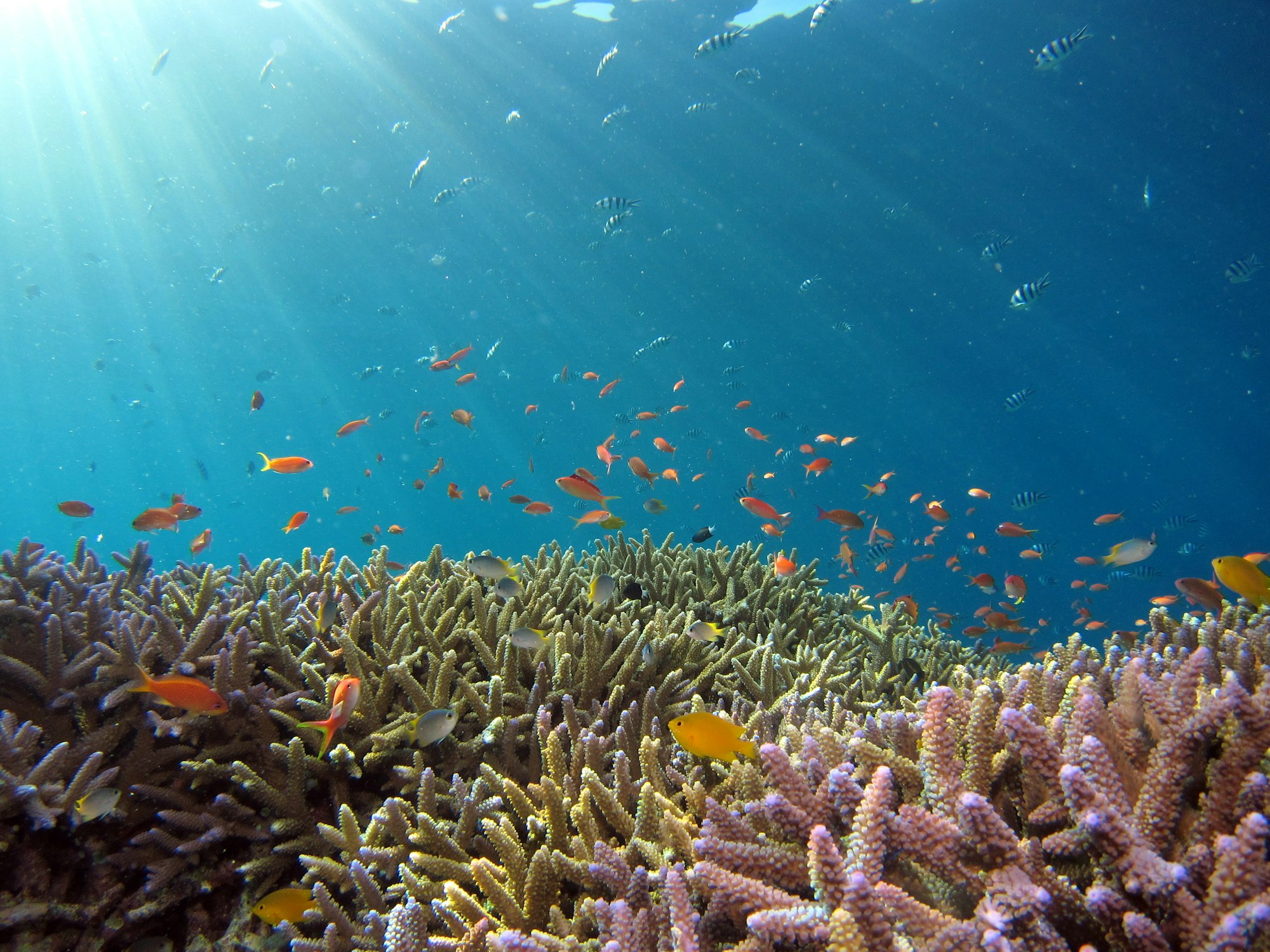
Baltra
0.4005°S 90.1251°W · reef
Baltra
A sheltered check-out dive at the Galápagos’ main airport island — shallow rocky reef where liveaboard itineraries begin, with nudibranchs, scorpionfish, and whitetip reef sharks on a low-profile volcanic bottom.
Overview
Baltra (also called South Seymour) is the main airport island for the Galápagos, and the dive site off its northeast coast serves as a check-out or check-in dive for liveaboard itineraries. While not a destination dive site in the same league as Gordon Rocks or Darwin’s Arch, the sheltered anchorage offers calm conditions at 10–12 meters over rocky and sandy bottom. The ScubaBoard September 2021 trip report from a Punta Carrion/Baltra check-in dive logged a white-tip reef shark, blue nudibranch, and large starfish. The site is typically used for equipment checks and familiarization with Galápagos conditions before heading to more demanding sites. The nearby Itabaca Channel between Baltra and Santa Cruz funnels nutrients through the area.
Site Information
- Location: Northeast coast of Baltra Island, near Itabaca Channel, Galápagos Islands
- Entry Type: Boat dive
- Site Type: Reef
- Difficulty Level: Intermediate
- Maximum Depth: 12 meters
- Typical Visibility: 5–15 meters (can be poor in the channel)
- Current: Low at anchorage; moderate to strong in the adjacent channel
- Water Temperature: 17–25°C (varies seasonally; cold Humboldt Current upwelling affects conditions)
- Best Time: Year-round (typically dived on first/last evening of liveaboard trips)
Marine Life
Despite its check-out-dive status, Baltra’s rocky reef supports a range of species. The ScubaBoard September 2021 trip report logged a white-tip reef shark, blue nudibranch, and large starfish at the Punta Carrion/Baltra check-in dive. Scorpionfish are reported as typical bottom-dwelling inhabitants of the rocky substrate. Diamond stingrays rest on sandy patches. Pacific creolefish school above the reef. Sea lions may visit from the nearby Mosquera islet colony. The Dive The World Galapagos guide notes that “bloody frogfish and pacific seahorse” are among the exotic species in the broader Baltra/North Seymour area, though these are more reliably encountered at other central Galapagos sites.
Dive Profile
A straightforward dive at 10–12 meters over rocky and sandy bottom in a sheltered anchorage. The terrain is low-relief — no walls, drop-offs, or dramatic topography. The dive is typically used for equipment checks, weight adjustments, and familiarization with Galápagos conditions (cold water, thick wetsuits) before heading to more demanding sites. The nearby North Seymour Channel and Mosquera islet offer significantly more dramatic diving and are typically dived the following morning.
Entry and Exit
Giant stride or back roll from the panga at the liveaboard anchorage. Conditions are typically calm in the sheltered bay. Current in the adjacent Itabaca Channel can be strong — stay within the anchorage area as briefed.
Tips
- Use this dive to dial in your weighting for Galápagos conditions — you’ll likely need more weight than usual with thick exposure protection
- Look carefully at the substrate for macro subjects; the rocky bottom hides nudibranchs and well-camouflaged scorpionfish
- Don’t skip this dive — it’s a good opportunity to test camera settings and equipment in low-stakes conditions before the big sites
Safety
A low-risk dive in sheltered conditions. The main considerations are cold water (bring adequate thermal protection) and staying within the anchorage area away from the stronger currents in the Itabaca Channel. Standard Galápagos precautions apply: carry an SMB and dive with your buddy.
Sources: ScubaBoard – Galapagos Sep 2021 Dive Report, Dive The World – Galapagos, LiveAboard.com – Punta Carrion, Starfish.ch – Central Galapagos Dive Sites. GPS coordinates contributed by ScubaBoard user Dan. Last updated 2026-05-30.
Sea-surface temperature and wave height from Open-Meteo Marine (ERA5 reanalysis, monthly averages).
11 verified species observations (7 species) logged within ~11 km of this site between 1849 and 2019, from the Ocean Biodiversity Information System.
- Physeter macrocephalus · Sperm whale
- Myxine greggi · Pez bruja o hiperotreto
- Myxine phantasma · Pez bruja o hiperotreto
- Ziphiidae · Beaked whales
- Rhincodon typus
- Cheilopogon cyanopterus
- Delphinidae · Dolphins
Scientific survey records skew toward sampled taxa (molluscs, corals) and do not reflect what you are guaranteed to see on a dive.
Source: OBIS (obis.org), aggregated Darwin Core occurrence records.
Conditions change with the tide and the season. If you have dived this site, share what it was actually like — date, visibility, current, and what you saw. Real, recent reports from divers are exactly what this guide is built to collect.
Send a conditions report ›