Isla Lobo
0.8565°S 89.5653°W · reef
Isla Lobo
A calm, shallow reef in a sheltered channel off San Cristóbal where playful sea lion pups race at divers — the standard liveaboard check-out dive and one of the Galápagos’ most accessible sites.
Overview
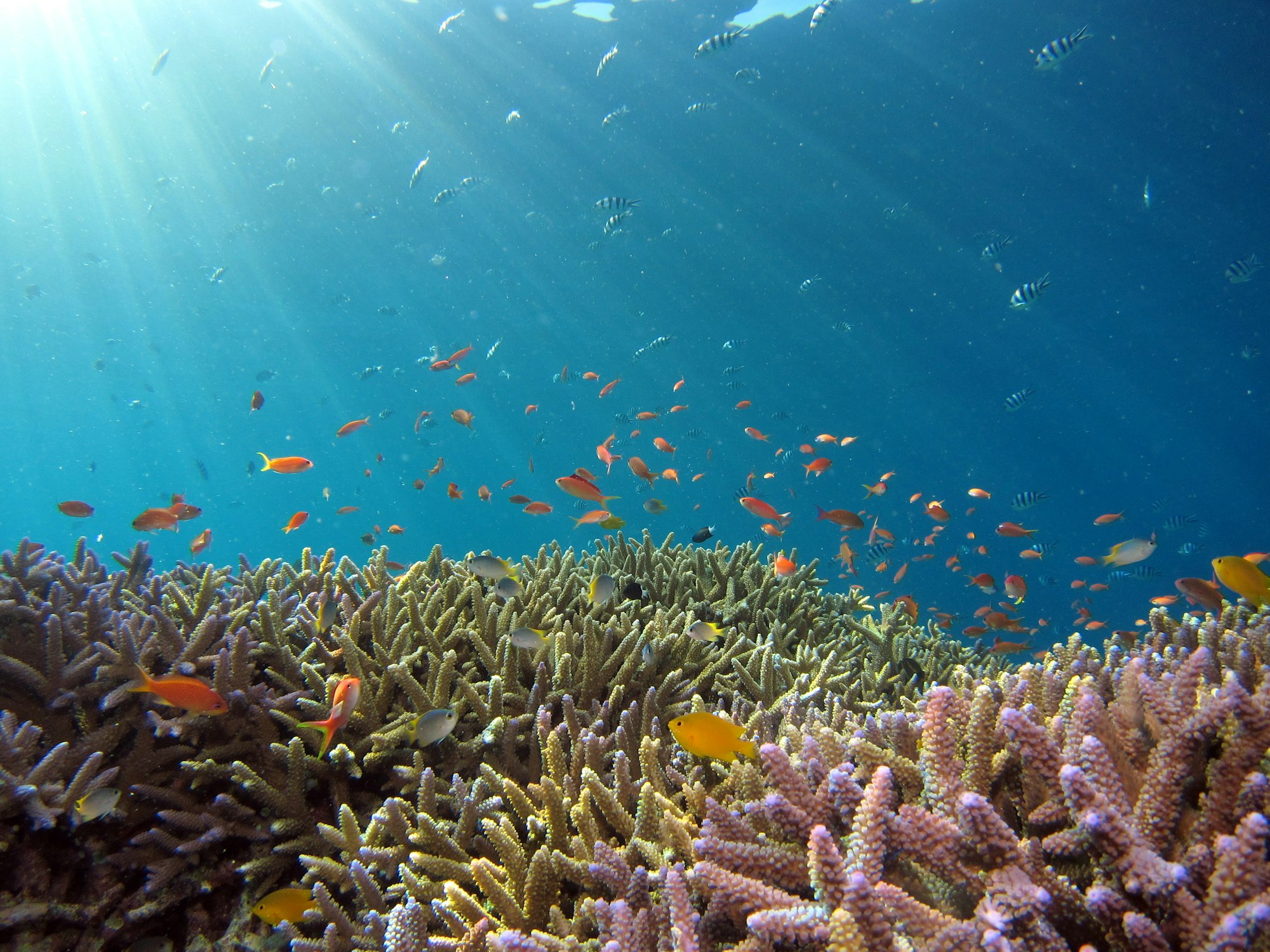
Isla Lobos (Lobos Island) sits in a sheltered channel between a small rocky island and the northwest coast of San Cristóbal. The protected channel produces calm, clear turquoise water — a rarity in the current-swept Galápagos — making this the standard check-out dive for liveaboard itineraries and one of the few sites accessible to less experienced divers. The underwater terrain is low-relief rocky reef with coral cover at 9–15 meters. The real draw is the resident colony of Galápagos sea lions: pups and juveniles are famously interactive, racing at divers at speed and veering away at the last moment.
Site Information
- Location: Lobos Island, northwest of San Cristóbal, Galápagos Islands
- Entry Type: Boat dive
- Site Type: Reef
- Difficulty Level: Intermediate
- Maximum Depth: 15 meters
- Typical Visibility: 10–20 meters
- Current: Very calm, no current (sheltered channel)
- Water Temperature: 20–25°C
- Best Time: Year-round; sea lions are always present
Marine Life
Galápagos sea lions are the star attraction — large males, females, and especially pups, who are boldly curious and will approach divers face-to-face. Galápagos fur seals are also present. Diamond stingrays rest on the sandy patches. Green sea turtles cruise the reef. White-tip reef sharks patrol the channel. Eagle rays pass through. Marine iguanas are occasionally spotted in the water. The reef supports trumpetfish, garden eels, starfish, and various reef fish. Above water, blue-footed boobies nest on Lobos Island.
Dive Profile
The dive takes place in the channel between Lobos Island and San Cristóbal. A shallow plateau at approximately 9 meters transitions to reef extending to 15 meters on the south side. The leeward (sheltered) side features stony corals; the windward face has mixed rock and coral. The calm conditions and shallow depth make this ideal for a first Galápagos dive or equipment check. Most divers spend the majority of the dive at 9–12 meters watching sea lion interactions.
Entry and Exit
Boat access from Puerto Baquerizo Moreno on San Cristóbal, approximately 30 minutes transit. Liveaboards use this as their first dive after embarkation. Entry is by giant stride or back roll from the panga into calm water.
Tips
- Keep your camera ready — sea lion pups approach without warning and the encounters are fast
- This is the shallowest, calmest dive in the Galápagos, making it ideal for testing equipment and weighting before deeper sites
- Relax and let the sea lions come to you; chasing them is counterproductive
- Snorkelers can also enjoy the site from the surface
Safety
While this is the calmest site in the Galápagos, standard dive safety practices apply. Sea lions are wild animals — maintain respectful distance from large males, who can be territorial. Do not touch or grab marine life. The shallow depth and lack of current make this a low-risk dive by Galápagos standards.
Sources: Galapatours – Isla Lobos Diving, Scuba Iguana – Isla Lobos, The Portuguese Traveler – San Cristóbal Dive Sites. GPS coordinates contributed by ScubaBoard user Dan. Last updated 2026-05-30.
Sea-surface temperature and wave height from Open-Meteo Marine (ERA5 reanalysis, monthly averages).
6552 verified species observations (106 species) logged within ~11 km of this site between 1888 and 2018, from the Ocean Biodiversity Information System.
- Mycteroperca olfax
- Chanos chanos
- Acanthocybium solandri
- Pontinus
- Semicossyphus darwini
- Paralabrax albomaculatus
- Seriola rivoliana
- Epinephelus
- Mugil galapagensis
- Anisotremus interruptus
- Mugil thoburni
- Holacanthus passer
Scientific survey records skew toward sampled taxa (molluscs, corals) and do not reflect what you are guaranteed to see on a dive.
Source: OBIS (obis.org), aggregated Darwin Core occurrence records.
Conditions change with the tide and the season. If you have dived this site, share what it was actually like — date, visibility, current, and what you saw. Real, recent reports from divers are exactly what this guide is built to collect.
Send a conditions report ›