Agahuta
13.6686°N 120.8575°E · reef
Agahuta
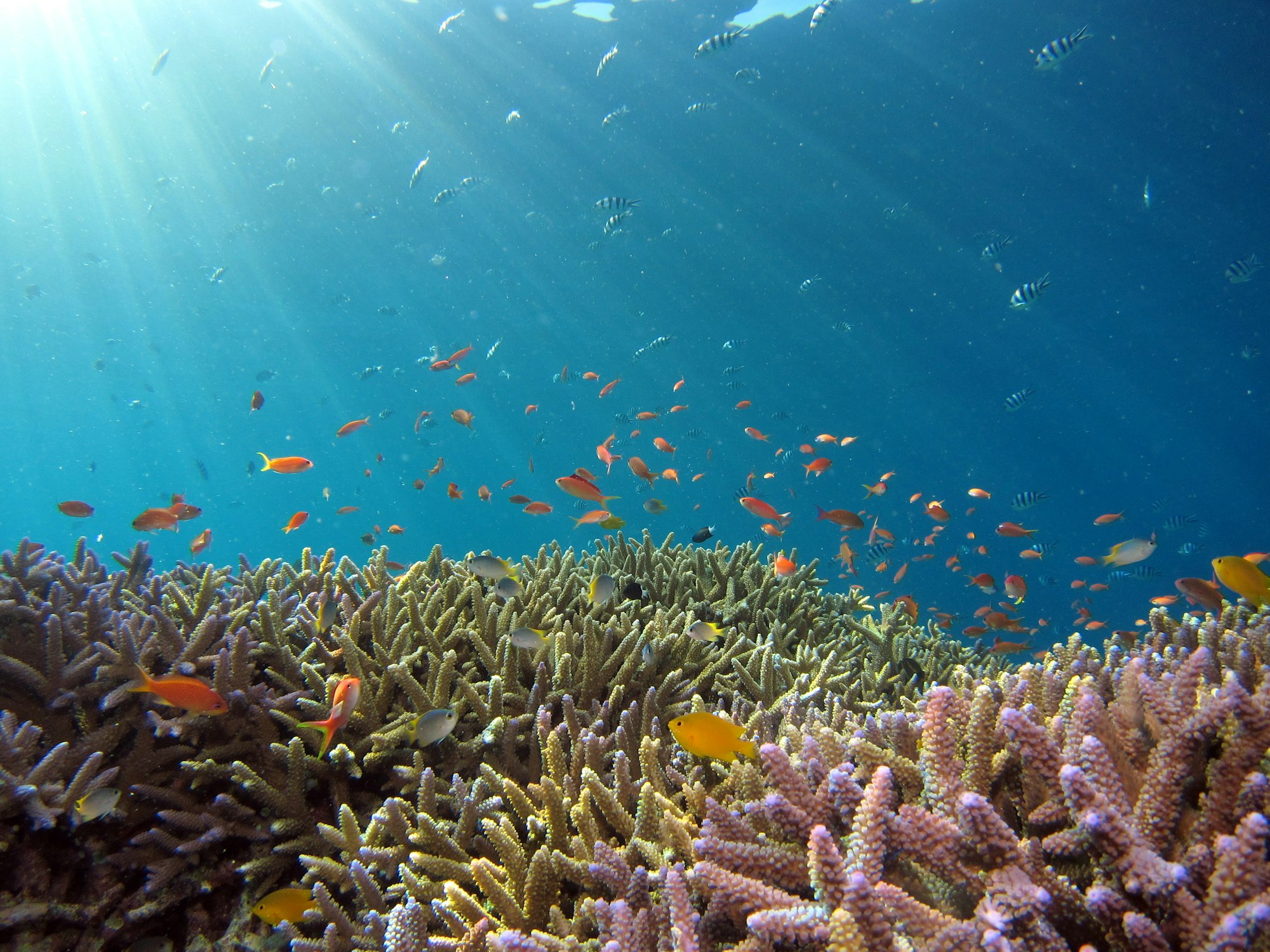
A sandy slope with old broken coral and live coral outcrops approximately 5 kilometres east-southeast of Buceo Anilao Resort, packed with critters from giant anglerfish to clouds of redtoothed triggerfish.
Overview
Agahuta is a boat dive site located approximately 5 kilometres east-southeast of Buceo Anilao Resort, east of the Olympic Resort area. The bottom is a sandy slope with patches of old broken coral, live coral outcrops, and featherstars with associated commensal shrimps. The site descends to around 24 meters and is rich in both macro critter life and schooling fish. Giant anglerfish are a regular attraction, and the site hosts thousands of redtoothed triggerfish that form impressive aggregations in the water column above the reef.
Site Information
- Location: Anilao, Batangas, Philippines (5 km ESE of Buceo Anilao Resort)
- Entry Type: Boat dive
- Site Type: Reef
- Difficulty Level: Intermediate
- Maximum Depth: 25 meters
- Typical Visibility: 10-20 meters
- Water Temperature: 27-29°C
- Current: Variable
- Best Time: November to June (dry season)
Marine Life
Agahuta supports an outstanding diversity of marine life across multiple scales. Giant anglerfish are regularly encountered, sitting camouflaged among the coral debris. The site is notable for massive schools of thousands of redtoothed triggerfish that fill the water column. Dozens of nudibranch species can be found on a single dive. Clownfish occupy anemones on the coral outcrops. Moray eels and juvenile ribbon eels hide in crevices. Mantis shrimp burrow in the sandy areas, and hairy squat lobsters cling to barrel sponges. The featherstars harbour commensal shrimps that are prized macro photography subjects.
Dive Profile
Enter from the boat and descend onto the sandy slope. The bottom is a mix of sand with old broken coral fragments, live coral outcrops, and featherstars. Work along the slope at depth, scanning for anglerfish on the bottom and looking up periodically to appreciate the schools of redtoothed triggerfish overhead. Check featherstars carefully for commensal shrimps. The productive range is from around 8 meters down to 24 meters. Move slowly — the critter density rewards patience.
Entry and Exit
Access by boat from Anilao-area resorts, approximately 20-30 minutes depending on departure point. Enter by giant stride and descend to the site. Deploy an SMB during your safety stop for boat pickup.
Tips and Recommendations
- Look carefully at featherstars — the commensal shrimps are tiny but beautifully coloured
- Giant anglerfish are well camouflaged, so a guide who knows their current hiding spots is invaluable
- Bring both macro and wide-angle if possible — the triggerfish schools are a wide-angle subject while the critters demand macro
- Check under coral overhangs for juvenile ribbon eels
Safety Considerations
Currents can be variable at this site, so follow your guide’s briefing on conditions. The sandy bottom can reduce visibility if divers have poor buoyancy control — maintain good trim to avoid silt disturbance. The maximum depth of 24 meters is manageable for most certified divers, but plan gas management for adequate bottom time.
Photography
Agahuta is a versatile photography site. Macro subjects are the primary draw — giant anglerfish, nudibranchs (dozens of species), featherstar shrimps, hairy squat lobsters, and juvenile ribbon eels. The thousands of redtoothed triggerfish provide an impressive wide-angle subject that is unusual for Anilao. A 60mm or 100mm macro lens handles most subjects, but consider a wide-angle option for the triggerfish schools if conditions allow.
Sources: Michael McFadyen’s Scuba Diving Web Site, AnilaoDiving.com – Dive Sites, Diving Squad – Anilao Guide. Last updated 2026-06-25.
Sea-surface temperature and wave height from Open-Meteo Marine (ERA5 reanalysis, monthly averages).
10470 verified species observations (375 species) logged within ~11 km of this site between 1908 and 2025, from the Ocean Biodiversity Information System.
- Ascidiacea
- Styelidae
- Fowleria vaiulae
- Odonus niger
- Samariscus triocellatus
- Dendrochirus zebra
- Didemnidae
- Synchiropus morrisoni
- Centropyge nox
- Calloplesiops altivelis
- Pseudogramma polyacantha
- Genicanthus lamarck
Scientific survey records skew toward sampled taxa (molluscs, corals) and do not reflect what you are guaranteed to see on a dive.
Source: OBIS (obis.org), aggregated Darwin Core occurrence records.
Conditions change with the tide and the season. If you have dived this site, share what it was actually like — date, visibility, current, and what you saw. Real, recent reports from divers are exactly what this guide is built to collect.
Send a conditions report ›