Bethlehem
13.6729°N 120.8414°E · reef
Bethlehem
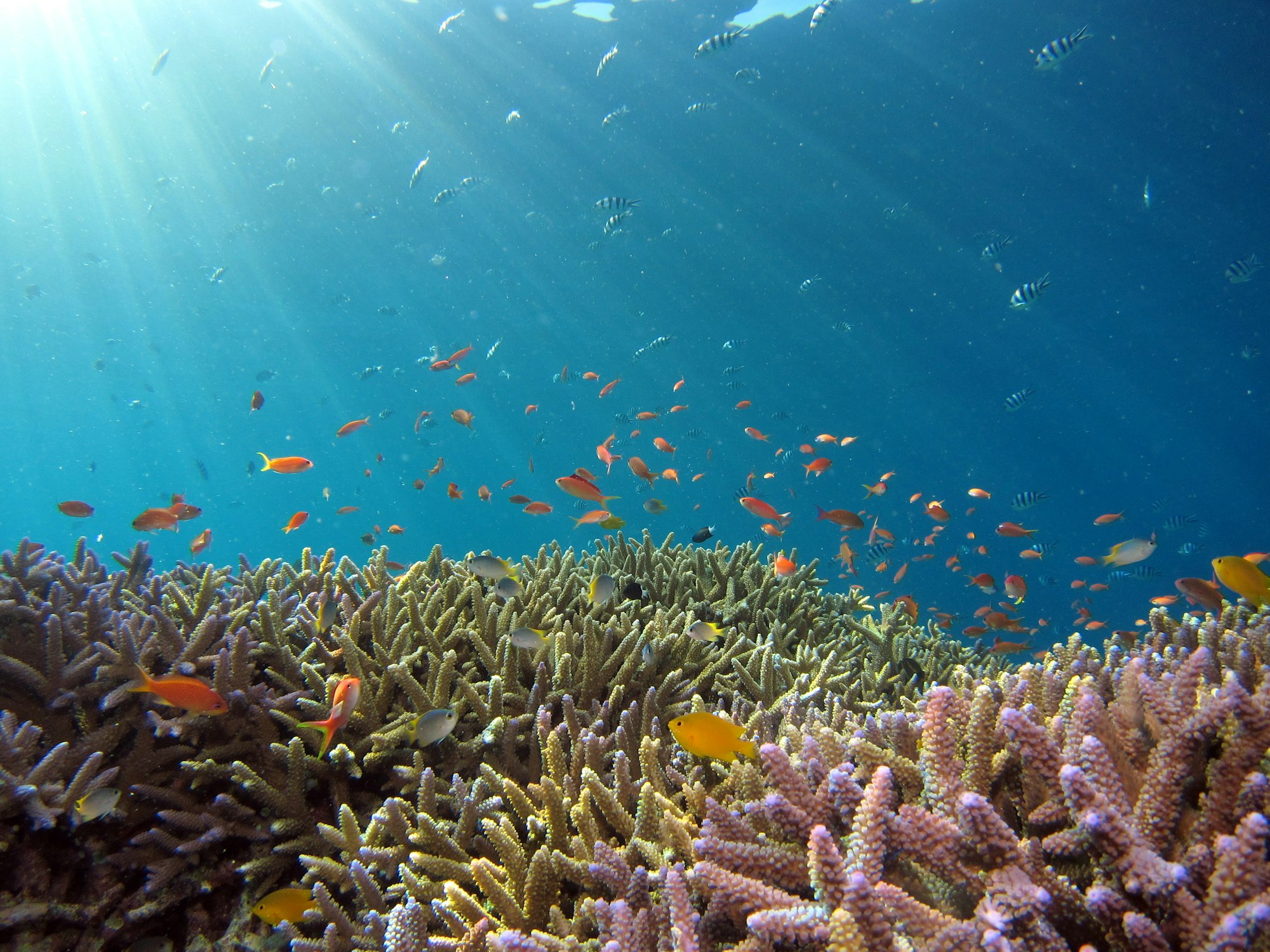
A sandy slope off Bethlehem village in the channel between Maricaban and Caban Islands, with a small wall section and good nudibranch hunting — a straightforward, shallow site suitable for beginners.
Overview
Bethlehem is a boat dive site located off Bethlehem village in the channel between Maricaban and Caban Islands. The bottom starts at around 3 meters and descends as a sandy slope with coral rubble, sponges, and featherstars to approximately 18 meters, where a small wall drops to 20 meters or more. The site is relatively shallow and uncomplicated, making it well-suited to less experienced divers while still offering the nudibranch and invertebrate diversity that Anilao is known for.
Site Information
- Location: Bethlehem village, between Maricaban and Caban Islands, Anilao, Batangas, Philippines
- Entry Type: Boat dive
- Site Type: Reef
- Difficulty Level: Beginner
- Maximum Depth: 20 meters
- Typical Visibility: 10-20 meters
- Water Temperature: 27-29°C
- Current: Generally mild
- Best Time: November to June (dry season)
Marine Life
The sandy slope and coral rubble at Bethlehem support a variety of nudibranchs — multiple species can be found on a single dive by searching carefully through the rubble and sponges. Shrimps associated with fire urchins are a regular sighting and a popular macro photography subject. Featherstars dot the slope, many with commensal shrimps. The sponges and coral rubble provide habitat for small invertebrates. While not as critter-dense as some of Anilao’s marquee sites, Bethlehem offers a reliable selection of macro subjects in an easy, relaxed setting.
Dive Profile
Enter from the boat and descend onto the sandy slope, which begins at around 3 meters. Work down the slope through the sand, coral rubble, and sponge-covered areas, scanning for nudibranchs and invertebrates. At approximately 18 meters, a small wall drops to 20 meters or beyond. Explore the wall face for additional marine life before beginning your ascent back up the slope. The shallow depth profile allows for extended bottom times.
Entry and Exit
Access by boat from Anilao-area resorts. Enter by giant stride and descend onto the slope. Deploy an SMB during your safety stop for boat pickup.
Tips and Recommendations
- A good site for newer divers or for a relaxed, shallow dive between deeper sites
- Search the fire urchins carefully for commensal shrimps — they are well camouflaged but colourful
- Move slowly through the rubble areas for the best nudibranch hunting
- The shallow depth makes this an excellent site for long bottom times and extended photography sessions
Safety Considerations
Bethlehem is a straightforward site with generally mild conditions and shallow depths. Be cautious around fire urchins — their spines can deliver a painful sting. Maintain basic awareness of current conditions, though they are typically gentle at this site. Standard safety practices apply.
Photography
Macro photography is the primary focus at Bethlehem. Nudibranchs across the rubble areas and shrimps on fire urchins are the key subjects. The relatively shallow, calm conditions make this a good site for newer underwater photographers to practice macro techniques. A 60mm or 100mm macro lens is appropriate. The fire urchin shrimps are tiny, so a supermacro diopter can be useful.
Sources: Michael McFadyen’s Scuba Diving Web Site, Divescover – Anilao and Batangas, AnilaoDiving.com – Dive Sites. Last updated 2026-06-25.
Sea-surface temperature and wave height from Open-Meteo Marine (ERA5 reanalysis, monthly averages).
10089 verified species observations (377 species) logged within ~11 km of this site between 1908 and 2025, from the Ocean Biodiversity Information System.
- Ascidiacea
- Styelidae
- Fowleria vaiulae
- Odonus niger
- Samariscus triocellatus
- Dendrochirus zebra
- Labridae
- Didemnidae
- Synchiropus morrisoni
- Centropyge nox
- Calloplesiops altivelis
- Pseudogramma polyacantha
Scientific survey records skew toward sampled taxa (molluscs, corals) and do not reflect what you are guaranteed to see on a dive.
Source: OBIS (obis.org), aggregated Darwin Core occurrence records.
Conditions change with the tide and the season. If you have dived this site, share what it was actually like — date, visibility, current, and what you saw. Real, recent reports from divers are exactly what this guide is built to collect.
Send a conditions report ›