Bahura
13.6948°N 120.8423°E · reef
Bahura is a shallow reef dive site in Anilao, Batangas, one of the named sites in the network of coral reefs that stretches along the Verde Island Passage — often cited as having the highest marine biodiversity on earth.
Overview
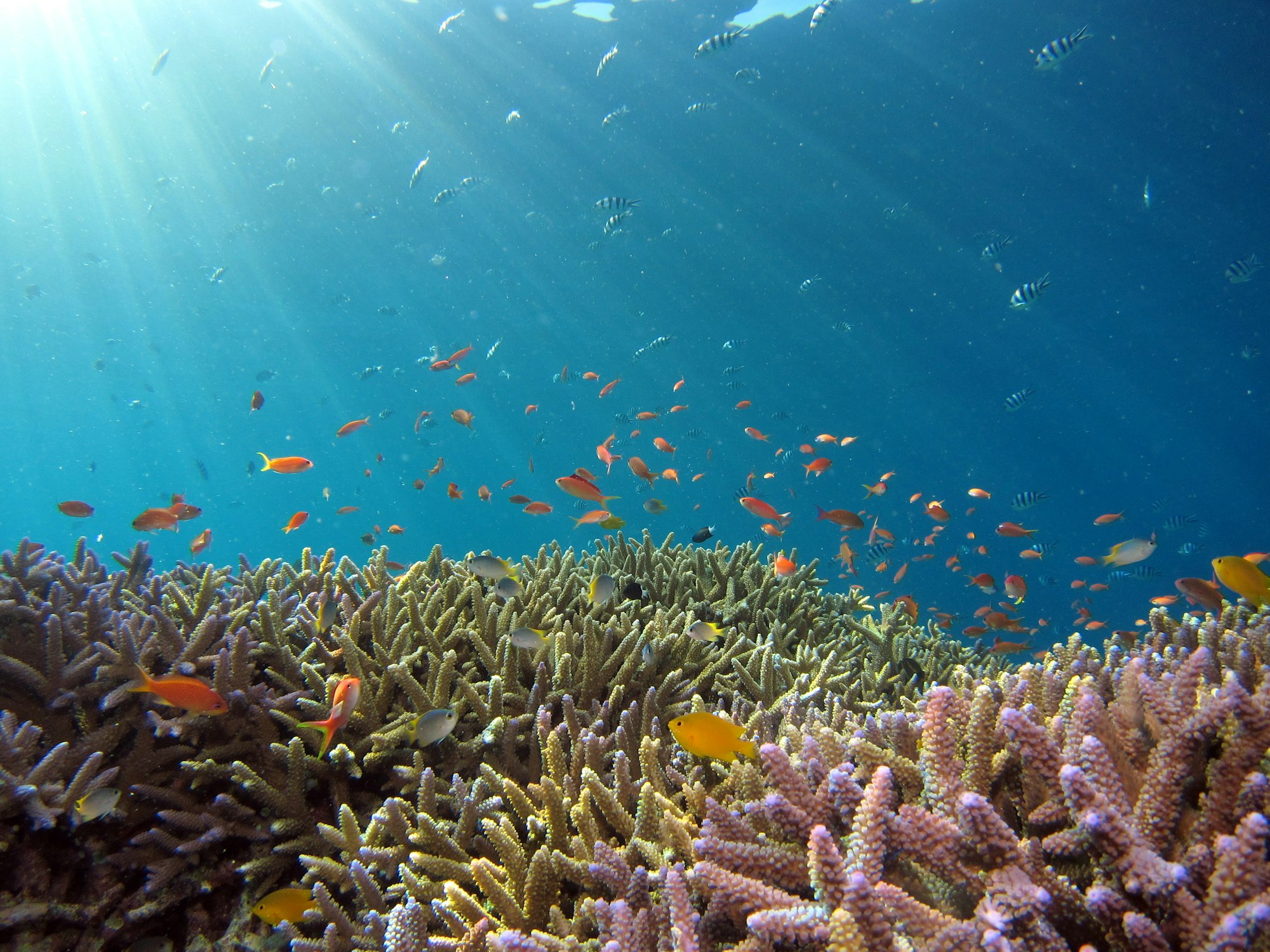
Anilao is frequently called the “macro capital of the Philippines” and the birthplace of recreational scuba diving in the country, and Bahura offers a representative example of what makes the region so compelling for underwater photographers. The reef sits in Verde Island Passage waters where upwellings from the passage corridor create productive conditions for coral growth and critter diversity. At 16 meters maximum depth, the site is shallow enough for extended bottom time and thorough exploration of the reef substrate. Hard corals and sponges provide the primary structure, with the rubble and silty margins between reef sections offering the muck-diving habitat that Anilao is celebrated for.
Site Information
- Location: Anilao, Batangas, Philippines
- Entry Type: Boat dive
- Site Type: Reef
- Difficulty Level: Intermediate
- Maximum Depth: 16 meters
- Typical Visibility: 10-20 meters
- Current: Light to moderate
- Best Time: October to May
Marine Life
Bahura’s proximity to the Verde Island Passage corridor means exceptional biodiversity. Nudibranchs are prolific — Anilao is world-famous for nudibranch diversity, and this site delivers dozens of species on a single dive. Frogfish in multiple colour morphs inhabit the sponge growth. Pygmy seahorses may be found on sea fans at depth. The reef proper supports schools of anthias, damselfish, and wrasse, with occasional hawksbill sea turtle sightings. Flatworms and sea slugs add to the macro inventory.
Dive Profile
Descend to the deepest reef section and search the coral and sponge growth for macro subjects. Work methodically across the reef, hovering close to the substrate rather than swimming above it. The shallow maximum depth supports extended exploration — pace yourself to cover the site thoroughly rather than rushing. Spend time in the rubble zones that are often richest for Anilao’s signature macro life.
Entry and Exit
Access by banca from Anilao resorts, most of which have in-house dive operations. The banca ride is short. Entry by giant stride; return to the banca by ladder. Most Anilao sites are dived with a dedicated divemaster guide who spots critters.
Tips and Recommendations
- Anilao rewards patience — slow down and look at every inch of substrate for cryptic species
- Ask your divemaster guide to spot nudibranchs and other macro subjects before diving
- Bring a macro lens system (e.g., 60mm or 100mm equivalent for compact cameras)
- Morning dive light through the water column is ideal for natural-light macro photography
- A second dive at the same site at a different time of day often yields entirely different species
Safety Considerations
Shallow site with generally mild conditions. Standard Anilao precautions apply: watch for boat traffic when ascending, deploy SMB, and be aware of the occasional strong current that can develop in the passage corridor.
Photography
Anilao is one of the world’s premier macro photography destinations, and Bahura represents this tradition well. Nudibranch portraits, frogfish close-ups, and reef fish images in excellent natural light are the primary subjects. Take extra batteries — you will want more dive time than a single tank provides.
Sources: AnilaoDiving.com – Bahura, Divezone – Anilao Batangas, PADI – Bahura Dive House Reef. Last updated 2026-06-25.
Sea-surface temperature and wave height from Open-Meteo Marine (ERA5 reanalysis, monthly averages).
9882 verified species observations (375 species) logged within ~11 km of this site between 1908 and 2025, from the Ocean Biodiversity Information System.
- Ascidiacea
- Styelidae
- Fowleria vaiulae
- Odonus niger
- Samariscus triocellatus
- Dendrochirus zebra
- Labridae
- Didemnidae
- Synchiropus morrisoni
- Centropyge nox
- Calloplesiops altivelis
- Pseudogramma polyacantha
Scientific survey records skew toward sampled taxa (molluscs, corals) and do not reflect what you are guaranteed to see on a dive.
Source: OBIS (obis.org), aggregated Darwin Core occurrence records.
Conditions change with the tide and the season. If you have dived this site, share what it was actually like — date, visibility, current, and what you saw. Real, recent reports from divers are exactly what this guide is built to collect.
Send a conditions report ›