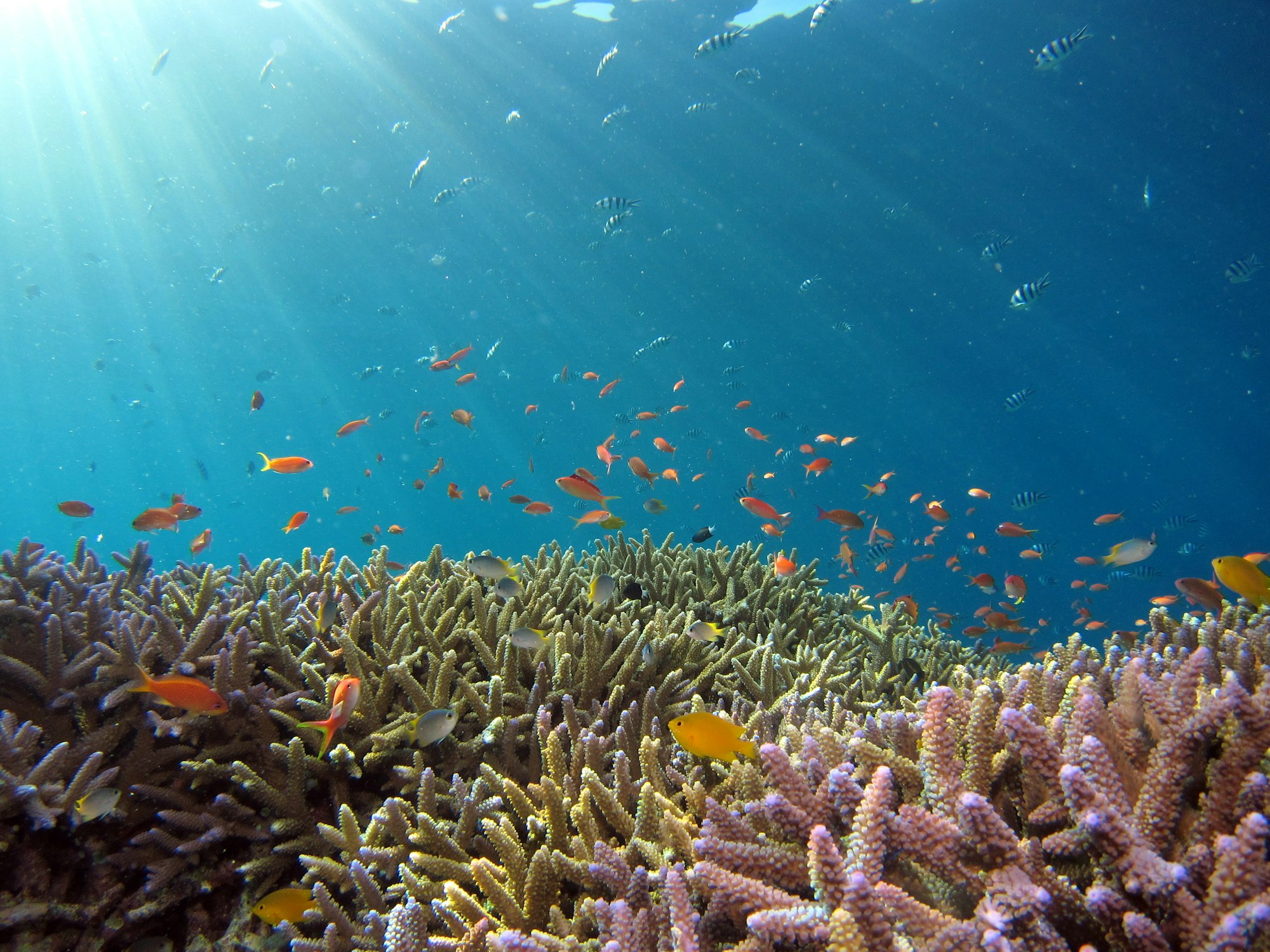
Aphols Point
13.6584°N 120.9014°E · reef
Aphols Point
A critter-rich site on Maricaban Island approximately 3 kilometres south of Buceo Anilao, with a sandy bottom strewn with coral debris, boulders, barrel sponges, and featherstars — home to pygmy seahorses, harlequin shrimps, and anglerfish.
Overview
Aphols Point is located on Maricaban Island, approximately 3 kilometres south of Buceo Anilao. The site features a sandy bottom with coral debris, scattered boulders, barrel sponges, featherstars, and sea whips. The terrain creates diverse microhabitats that support an exceptional range of critter life, from pygmy seahorses clinging to gorgonia fans to harlequin shrimps hiding under rocks. The maximum depth is around 24 meters. The combination of substrate types makes this one of Anilao’s best all-round critter diving sites.
Site Information
- Location: Maricaban Island, Anilao, Batangas, Philippines (3 km S of Buceo Anilao)
- Entry Type: Boat dive
- Site Type: Reef
- Difficulty Level: Intermediate
- Maximum Depth: 24 meters
- Typical Visibility: 10-20 meters
- Water Temperature: 27-29°C
- Current: Variable
- Best Time: November to June (dry season)
Marine Life
Aphols Point is a critter hunter’s paradise. Pygmy seahorses have been found on gorgonia fans here — tiny, well-camouflaged, and a highlight for any diver lucky enough to spot them. Harlequin shrimps hide under rocks and coral debris. White anglerfish sit motionless on sponges or rubble. Banded sea snakes are occasionally encountered hunting among the rocks. Orangutan crabs cling to bubble corals. Spotted stingrays rest on the sandy bottom. Lionfish perch on coral outcrops. The funeral jorunna nudibranch — a distinctive black and white species — is among the many nudibranch species found at this site. Featherstars harbour commensal shrimps, and sea whips support associated gobies.
Dive Profile
Enter from the boat and descend to the sandy bottom. Work along the site examining the varied terrain — boulders, coral debris patches, barrel sponges, featherstars, and sea whips. Check gorgonia fans carefully for pygmy seahorses. Look under rocks and coral rubble for harlequin shrimps. Scan the sand for spotted stingrays and the rubble for anglerfish. The productive depth range is from around 8 to 24 meters. Move slowly and methodically to maximize critter sightings.
Entry and Exit
Access by boat from Anilao-area resorts, approximately 15-20 minutes to Maricaban Island. Enter by giant stride and descend to the site. Deploy an SMB during your safety stop for boat pickup.
Tips and Recommendations
- Ask your guide about current pygmy seahorse locations on the gorgonias — they tend to stay in the same area for extended periods
- Check under every rock and coral overhang for harlequin shrimps
- Banded sea snakes are not aggressive but give them space — they need to surface to breathe
- A slow, careful dive will yield far more sightings than trying to cover the whole site
Safety Considerations
Currents can be variable around Maricaban Island — follow your guide’s briefing on conditions. Be mindful of banded sea snakes; while they are generally docile, they are venomous and should not be handled or cornered. Maintain good buoyancy control to avoid disturbing the sandy bottom and reducing visibility.
Photography
Aphols Point offers world-class macro photography. Pygmy seahorses on gorgonias are the ultimate prize — a supermacro diopter and patience are required. Harlequin shrimps, white anglerfish, funeral jorunna nudibranchs, and orangutan crabs are all excellent subjects. A 60mm or 100mm macro lens covers most subjects. The variety of critters means you can fill an entire dive’s worth of frames without moving far. A good focus light is essential for finding and illuminating subjects.
Sources: Michael McFadyen’s Scuba Diving Web Site, AnilaoDiving.com – Dive Sites, Diving Squad – Anilao Guide. Last updated 2026-06-25.
Sea-surface temperature and wave height from Open-Meteo Marine (ERA5 reanalysis, monthly averages).
10985 verified species observations (383 species) logged within ~11 km of this site between 1908 and 2025, from the Ocean Biodiversity Information System.
- Styelidae
- Halieutaea nigra
- Odonus niger
- Ascidiacea
- Samariscus triocellatus
- Fowleria vaiulae
- Dendrochirus zebra
- Synchiropus morrisoni
- Centropyge nox
- Peristedion
- Chaunax breviradius
- Pseudogramma polyacantha
Scientific survey records skew toward sampled taxa (molluscs, corals) and do not reflect what you are guaranteed to see on a dive.
Source: OBIS (obis.org), aggregated Darwin Core occurrence records.
Conditions change with the tide and the season. If you have dived this site, share what it was actually like — date, visibility, current, and what you saw. Real, recent reports from divers are exactly what this guide is built to collect.
Send a conditions report ›