Dari Laut
13.6789°N 120.8410°E · wreck
Dari Laut
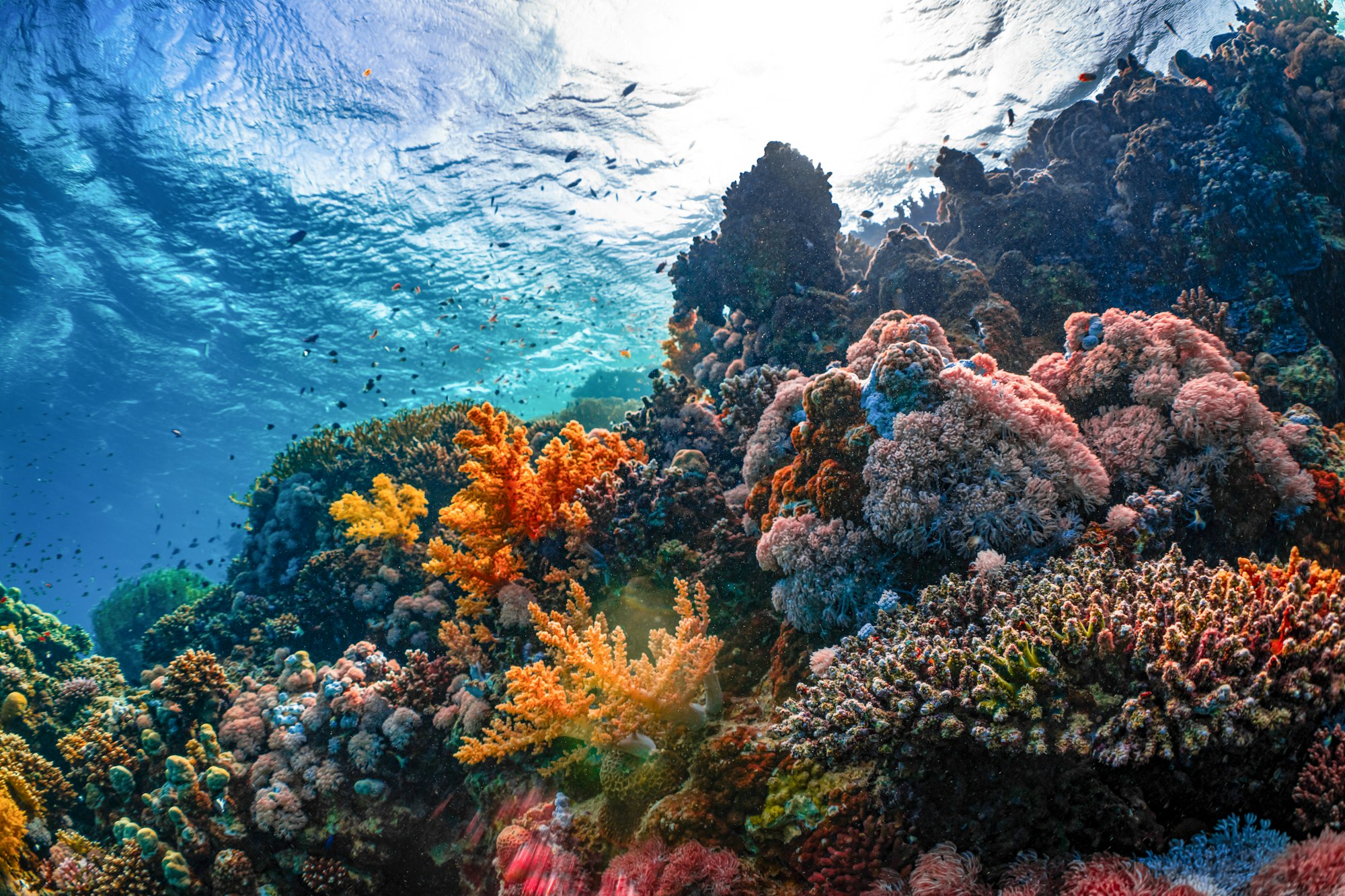
The wreck of a former floating casino resting on a sandy slope, its open box-frame structure now heavily encrusted with sponges, gorgonia fans, featherstars, and anemones — an unusual dive with strong critter appeal.
Overview
Dari Laut (the name combines “Dari,” the reported name of the casino’s owner, and “Laut,” meaning sea in Malay/Indonesian) is considered the primary wreck dive in the Anilao area. The structure is the remains of a floating casino that operated in the 1980s. Two independent sources confirm the casino caught fire and sank; one source notes that local boatmen believe the owners deliberately burned it to collect insurance due to poor revenue, though this remains unverified speculation. No verified dates of construction, dimensions, tonnage, or exact circumstances of sinking have been found in available sources — these details are unknown.
The wreck’s box-frame construction distinguishes it from traditional ship wrecks: the frame sits tilted on a sandy slope, with the shallowest part of the structure at approximately 12–13 meters and the deepest sections of the frame reaching around 25–28 meters. The sandy bottom beneath sits at approximately 30 meters. The open framework has been colonized by sponges, gorgonia fans, featherstars, and anemones, creating a productive critter habitat quite unlike a typical hull wreck.
Site Information
- Location: Between Caban Island and Maricaban Island, Anilao, Batangas, Philippines (approximately 20 minutes west of Buceo Anilao Dive Resort)
- Entry Type: Boat dive
- Site Type: Wreck dive
- Difficulty Level: Intermediate
- Maximum Depth: 28 meters
- Typical Visibility: 12–22 meters
- Water Temperature: 29–30°C
- Current: None to mild
- Best Time: November to June (dry season)
Wreck History
The Dari Laut was a floating casino operating in the 1980s. Both available primary sources confirm it sank after catching fire; the cause of the fire is disputed — local speculation attributed to deliberate arson for insurance purposes, though no source confirms this as fact. No verified dimensions, tonnage, or precise sinking date have been found. Divers and researchers should treat any specific dates or dimensions found on unofficial sources with caution, as the wreck’s history is poorly documented.
Marine Life
The encrusted box-frame supports a diverse community of marine life. Batfish school near and around the structure. Clownfish occupy anemones that have colonized the frame. Crocodilefish lie camouflaged on flat horizontal surfaces. Moray eels inhabit the many recesses of the framework. Nudibranchs and flatworms are found across the sponge-covered surfaces in considerable variety. Electric clams have also been observed on the structure. The gorgonia fans and featherstars provide habitat for associated invertebrates throughout the frame.
Dive Profile
Enter by back roll or giant stride and descend to the wreck. The shallowest part of the frame is at 12–13 meters, allowing extended bottom time. Explore around and through the open box-frame, examining the encrusted surfaces at each depth zone. The deepest frame sections reach 25–28 meters; the sandy bottom lies at approximately 30 meters. The open construction allows natural light to penetrate throughout the structure. Work from deep to shallow to manage no-decompression limits efficiently.
Entry and Exit
Access by boat from Anilao-area resorts, approximately 15–20 minutes depending on departure point. Deploy an SMB during your safety stop for boat pickup.
Tips and Recommendations
- The open box-frame structure is well-lit and easy to navigate — less intimidating than enclosed wreck penetration
- Check the anemones for clownfish and the flat surfaces for crocodilefish
- The shallowest sections at 12–13 meters make for an excellent extended safety stop area
- Bring a torch to illuminate the sponge-covered framework and bring out colours
Safety Considerations
The box-frame structure is open, but be aware of potential entanglement points when carrying cameras or trailing equipment. Buoyancy control is important to avoid disturbing silt on the sandy slope beneath the frame. The deepest sand at 30 meters limits no-decompression time on air — plan accordingly. As with any wreck, do not attempt penetration of enclosed spaces without appropriate training and equipment.
Photography
The Dari Laut offers both wide-angle and macro opportunities. The open box-frame silhouetted against blue water with dense marine growth is a distinctive composition unlike most wreck photographs. Batfish schooling around the structure suit wide-angle setups. Macro targets include nudibranchs on the sponges, clownfish in anemones, crocodilefish on flat surfaces, and electric clams. A wide-angle lens captures the wreck’s unusual character, but a macro lens rewards careful exploration of the encrusted surfaces.
Sources: Michael McFadyen’s Scuba Diving Web Site, Lines of Latitudes – Dari Laut, Scuba Diver Life – Daryl Laut. Last updated 2026-06-25.
Sea-surface temperature and wave height from Open-Meteo Marine (ERA5 reanalysis, monthly averages).
10100 verified species observations (377 species) logged within ~11 km of this site between 1908 and 2025, from the Ocean Biodiversity Information System.
- Ascidiacea
- Styelidae
- Fowleria vaiulae
- Odonus niger
- Samariscus triocellatus
- Dendrochirus zebra
- Labridae
- Didemnidae
- Synchiropus morrisoni
- Centropyge nox
- Calloplesiops altivelis
- Pseudogramma polyacantha
Scientific survey records skew toward sampled taxa (molluscs, corals) and do not reflect what you are guaranteed to see on a dive.
Source: OBIS (obis.org), aggregated Darwin Core occurrence records.
Conditions change with the tide and the season. If you have dived this site, share what it was actually like — date, visibility, current, and what you saw. Real, recent reports from divers are exactly what this guide is built to collect.
Send a conditions report ›