Mainit Corner
13.6829°N 120.8942°E · reef
Mainit Corner
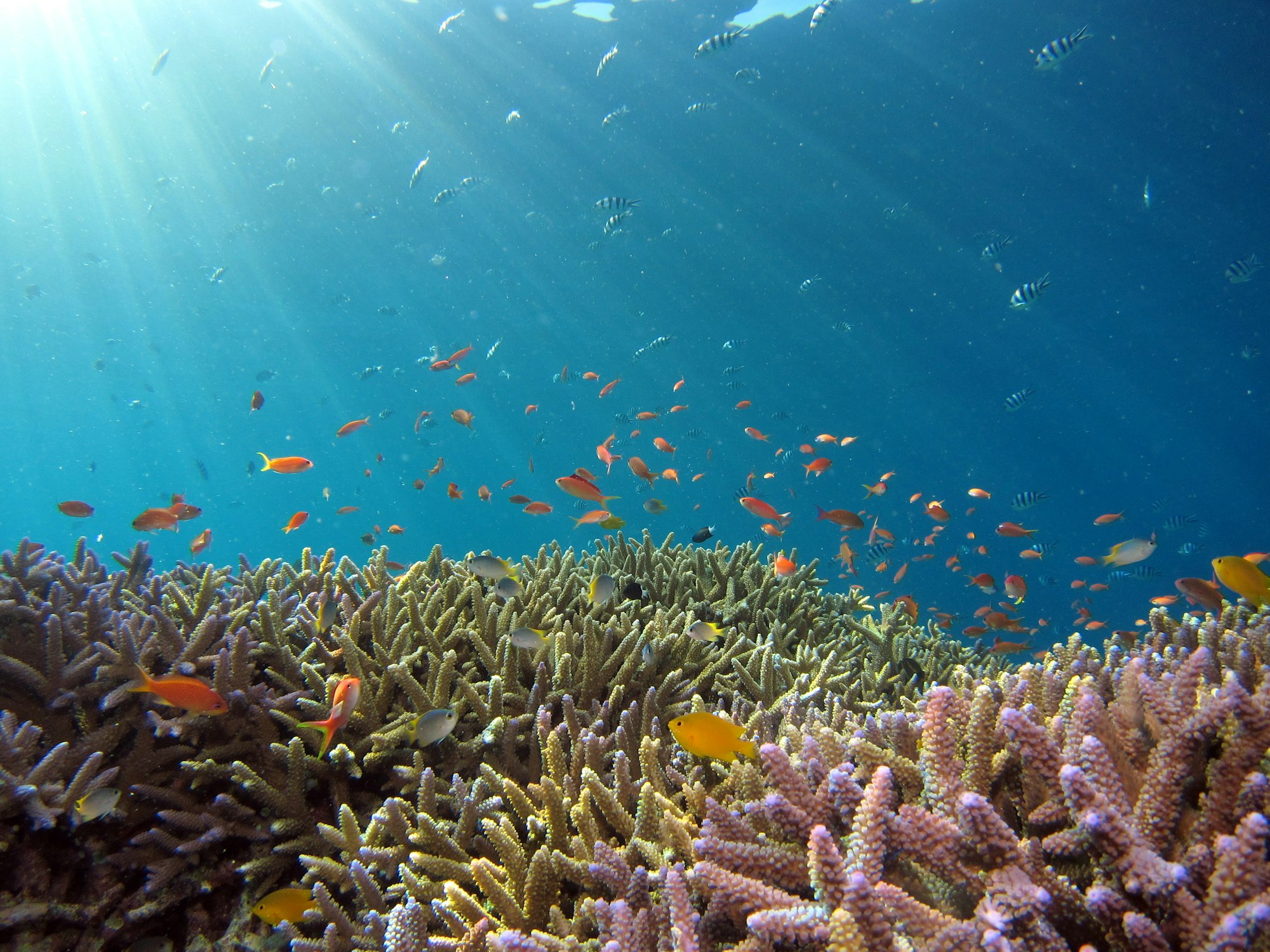
A bommie breaking the surface off the southern point of the Mainit peninsula, approximately 600 meters from the resort, with a wall covered in gorgonias and rich in nudibranchs, pygmy seahorses, and harlequin shrimps.
Overview
Mainit Corner is centred on a large bommie that breaks the surface off the southern point of the Mainit peninsula, approximately 600 meters from the resort. The bommie drops into a wall covered with gorgonias, sponges, and sea whips, descending to around 24 meters. The site is particularly rich in nembrotha nudibranchs — large, colourful species that are relatively easy to spot and photograph. Harlequin shrimps and pygmy seahorses add to the critter appeal. The relatively shallow depth and accessible location make this a good site for divers of all levels.
Site Information
- Location: S point of Mainit peninsula, Anilao, Batangas, Philippines (~600 m from resort)
- Entry Type: Boat dive
- Site Type: Reef
- Difficulty Level: Beginner
- Maximum Depth: 24 meters
- Typical Visibility: 10-20 meters
- Water Temperature: 27-29°C
- Current: Generally mild
- Best Time: November to June (dry season)
Marine Life
Mainit Corner is notably rich in nembrotha nudibranchs — these large, strikingly coloured nudibranchs in greens, blues, and blacks are found throughout the site and are a signature sighting. Harlequin shrimps hide under rocks and coral rubble. Pygmy seahorses cling to gorgonia fans on the wall. Sweetlips shelter under overhangs. Lionfish perch on coral outcrops. Boxfish cruise the reef edges. The gorgonias, sponges, and sea whips covering the wall create a rich habitat for invertebrates at every scale.
Dive Profile
Enter from the boat near the bommie, which breaks the surface and serves as a clear landmark. Descend along the bommie to the wall below. Work along the wall face, scanning the gorgonias for pygmy seahorses and the surfaces for nembrotha nudibranchs. Check under overhangs for sweetlips and under rocks for harlequin shrimps. The wall descends to approximately 24 meters. The bommie top in the shallows makes for an excellent safety stop area with plenty to see.
Entry and Exit
Access by boat from the resort — only approximately 600 meters away, making this one of the closest dive sites. Enter by giant stride near the bommie. Deploy an SMB during your safety stop for boat pickup, or ascend directly at the bommie.
Tips and Recommendations
- The short boat ride makes this an ideal first or last dive of the day
- Nembrotha nudibranchs are relatively large and easy to spot — scan every sponge and coral surface
- Check the gorgonias on the wall carefully for pygmy seahorses
- The bommie top at the surface is excellent for an extended safety stop with good marine life to observe
Safety Considerations
Mainit Corner is a straightforward dive suitable for beginners. Currents are generally mild. The maximum depth of 24 meters is within comfortable recreational limits. Be aware of boat traffic near the bommie, which breaks the surface — ascend with caution and listen for engines.
Photography
Mainit Corner excels for macro photography. The nembrotha nudibranchs are large enough to photograph easily with a 60mm macro lens and are often found in pairs or groups. Pygmy seahorses on the gorgonias require more patience and a 100mm macro or supermacro diopter. Harlequin shrimps are beautifully patterned macro subjects. The gorgonia-covered wall also provides colourful wide-angle compositions. The proximity to the resort makes it easy to return for multiple dives with different lens setups.
Sources: Michael McFadyen’s Scuba Diving Web Site, AnilaoDiving.com – Dive Sites, Diving Squad – Anilao Guide. Last updated 2026-06-25.
Sea-surface temperature and wave height from Open-Meteo Marine (ERA5 reanalysis, monthly averages).
11279 verified species observations (378 species) logged within ~11 km of this site between 1908 and 2025, from the Ocean Biodiversity Information System.
- Halieutaea nigra
- Ascidiacea
- Styelidae
- Odonus niger
- Samariscus triocellatus
- Fowleria vaiulae
- Dendrochirus zebra
- Synchiropus morrisoni
- Centropyge nox
- Peristedion
- Chaunax breviradius
- Pseudogramma polyacantha
Scientific survey records skew toward sampled taxa (molluscs, corals) and do not reflect what you are guaranteed to see on a dive.
Source: OBIS (obis.org), aggregated Darwin Core occurrence records.
Conditions change with the tide and the season. If you have dived this site, share what it was actually like — date, visibility, current, and what you saw. Real, recent reports from divers are exactly what this guide is built to collect.
Send a conditions report ›