Rockport Dive Site
13.8303°N 120.9087°E · reef
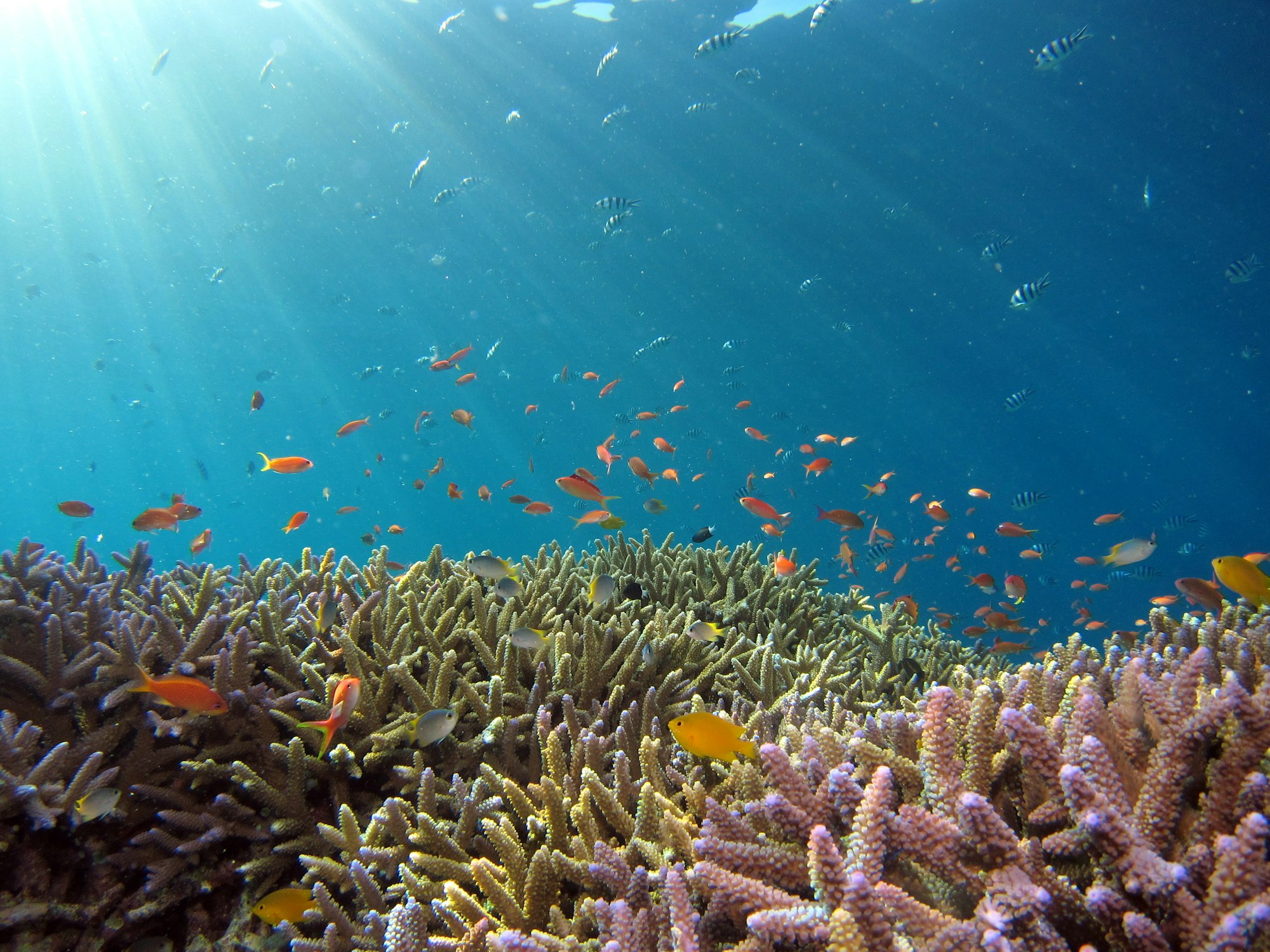
Rockport Dive Site is a reef dive site in the Anilao area, associated with the Rockport locality on the Calumpan Peninsula, and offering the reef and critter diversity characteristic of the Verde Island Passage’s celebrated marine biodiversity.
Overview
The Calumpan Peninsula in Anilao, Batangas, is the heart of Philippine sport diving history — the first scuba dive in the Philippines is widely attributed to the Anilao area in the 1950s. Rockport Dive Site sits in the reef systems along this historic stretch of coastline, where decades of diving and marine conservation awareness have helped maintain the reef in good condition. The site offers reef structure with coral growth and the typical Anilao combination of reef fish and macro critters concentrated in the substrate. Maximum depth of 20 meters makes it accessible for intermediate divers while still offering depth variation for varied marine life encounters.
Site Information
- Location: Rockport, Anilao, Batangas, Philippines
- Entry Type: Boat dive
- Site Type: Reef
- Difficulty Level: Intermediate
- Maximum Depth: 20 meters
- Typical Visibility: 10-20 meters
- Current: Light to moderate
- Best Time: October to May
Marine Life
No site-specific marine life observations have been found for Rockport Dive Site. As a reef site in Anilao’s Verde Island Passage waters, the regional fauna — nudibranchs, frogfish, reef fish communities, and occasional turtle sightings — likely applies, but no source confirms specific sightings at this location. Marine life information will be updated when site-specific sources are identified.
Dive Profile
Begin at the deepest accessible section and work toward the shallows, examining reef surfaces methodically. The 10–18 meter zone is typically the most productive for species diversity. Allow extra time in the rubble and algae zones at the reef perimeter, which often harbour species that would be missed on the reef structure itself.
Entry and Exit
Access by banca from Anilao resorts. Entry by giant stride; return by ladder. Ask your guide about any specific critter sightings in advance of the dive.
Tips and Recommendations
- Anilao is a community of divers who share information — ask about recent finds at the dive briefing
- The reef at Rockport rewards slow, patient diving more than coverage of distance
- A second dive at the same site after a surface interval often adds species to the list
- Macro photography setups work best here; bring a dedicated macro lens
- Evening dives can reveal mandarinfish and different critter behaviour in the rubble zones
Safety Considerations
Standard Anilao precautions apply. Deploy SMB before surfacing. Manage no-decompression limits over a multi-dive day. Watch for boat traffic when ascending.
Photography
Reef fish portrait photography and nudibranch macro work are the primary subjects. Natural light in the 5–15 meter range is excellent for ambient-light photography. Strobe setups improve colour accuracy and critter visibility at depth.
Sea-surface temperature and wave height from Open-Meteo Marine (ERA5 reanalysis, monthly averages).
2738 verified species observations (366 species) logged within ~11 km of this site between 1908 and 2022, from the Ocean Biodiversity Information System.
- Siganus fuscescens
- Ascidiacea
- Hymenocephalus torvus
- Ostorhinchus aureus
- Dascyllus reticulatus
- Pristiapogon fraenatus
- Yongeichthys criniger
- Arothron manilensis
- Hyporhamphus quoyi
- Oxycheilinus bimaculatus · Two-spot Maori Wrasse
- Corythoichthys intestinalis
- Terapon jarbua
Scientific survey records skew toward sampled taxa (molluscs, corals) and do not reflect what you are guaranteed to see on a dive.
Source: OBIS (obis.org), aggregated Darwin Core occurrence records.
Conditions change with the tide and the season. If you have dived this site, share what it was actually like — date, visibility, current, and what you saw. Real, recent reports from divers are exactly what this guide is built to collect.
Send a conditions report ›