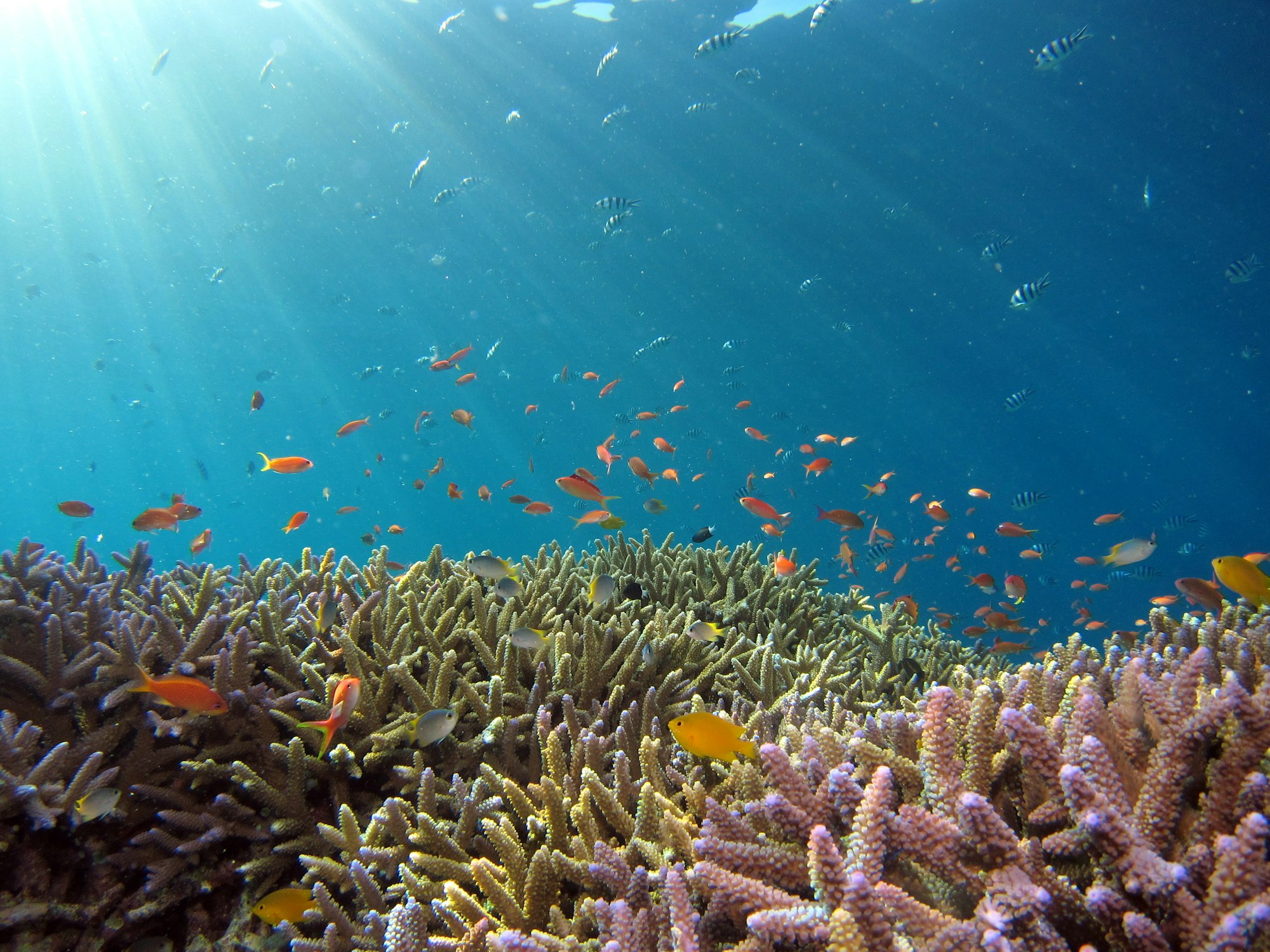
Sombrero Island
13.6988°N 120.8282°E · reef
Sombrero Island, named for its hat-shaped profile, is widely considered one of the best reef dives in the Anilao area, encircled by a wall dropping to around 25–30 meters through boulders, valleys, and pillars covered in soft corals and gorgonians — exposure to strong current during full moons makes this an Intermediate site.
Overview
Sombrero Island sits in the Tingloy area of the Anilao region, its distinctive profile matching its name. The reef encircles the entire small island, offering more area than can be covered on multiple dives. The wall drops from shallow staghorn gardens to 25–30 meters through varied terrain: valleys and pillars, small drop-offs, and flat sections, all covered in soft corals, gorgonians, and sponges. Current conditions are a key consideration — sources consistently note that currents can be strong, particularly around full moon, and that the site is not suitable for beginners under those conditions. Intermediate divers comfortable with current diving will find this one of the most diverse reef experiences in the Anilao area.
Site Information
- Location: Tingloy, Anilao, Batangas, Philippines
- Entry Type: Boat dive
- Site Type: Reef
- Difficulty Level: Intermediate
- Maximum Depth: 25 meters
- Typical Visibility: 15–18 meters
- Current: Light to strong; strongest during full moon
- Best Time: November to June (dry season)
Marine Life
Sombrero Island supports a diverse reef community. Eagle rays, mantas, and sea turtles are frequently spotted. Whitetip reef sharks patrol the boulders and drop-offs. The staghorn gardens in the shallower sections are dense with damselfish, wrasse, surgeonfish, snapper, and grunts. The gorgonian-covered wall sections harbour nudibranchs and clownfish in anemones. During strong-current dives, schools of jacks sweep past the wall. Blue-ringed octopus have been sighted at the site. Pygmy seahorses are reported in the gorgonians by some sources, though this is not consistently documented.
Dive Profile
The reef encircles the island, allowing dive plans in either direction. Descend from the boat and follow the wall in the current direction. Spend time in the shallow staghorn zones as well as at depth on the wall face. Current direction and strength will influence which section of the island to prioritize. Follow your guide’s briefing carefully on tidal conditions.
Entry and Exit
Access by banca from Anilao-area resorts. Entry by giant stride. Deploy SMB during ascent for boat pickup. On strong-current dives, SMB deployment is essential as divers may surface at different points along the island perimeter.
Tips and Recommendations
- Check current conditions with your guide before the dive — strong full-moon currents significantly change the experience
- The variety of terrain means multiple dives here each reveal different sections
- Eagle ray and manta sightings are more likely during current dives in the blue water beyond the wall
- Beginners should not attempt Sombrero Island during strong-current conditions
Safety Considerations
Current exposure is the primary safety consideration. Strong currents during full-moon periods require drift diving experience. Always carry an SMB and deploy it well before surfacing — the island perimeter means the boat cannot anchor directly overhead. Experienced guide briefing on current direction is essential.
Sources: Scuba Diver Life – Sombrero, Underwater Asia – Anilao Diving Guide, Solitude World – Anilao Dive Sites. Last updated 2026-06-25.
Sea-surface temperature and wave height from Open-Meteo Marine (ERA5 reanalysis, monthly averages).
9842 verified species observations (377 species) logged within ~11 km of this site between 1908 and 2025, from the Ocean Biodiversity Information System.
- Ascidiacea
- Styelidae
- Fowleria vaiulae
- Odonus niger
- Samariscus triocellatus
- Dendrochirus zebra
- Labridae
- Didemnidae
- Synchiropus morrisoni
- Centropyge nox
- Calloplesiops altivelis
- Pseudogramma polyacantha
Scientific survey records skew toward sampled taxa (molluscs, corals) and do not reflect what you are guaranteed to see on a dive.
Source: OBIS (obis.org), aggregated Darwin Core occurrence records.
Conditions change with the tide and the season. If you have dived this site, share what it was actually like — date, visibility, current, and what you saw. Real, recent reports from divers are exactly what this guide is built to collect.
Send a conditions report ›