Sun View
13.6993°N 120.8823°E · muck
Sun View
A sandy slope approximately 2 kilometres from the resort, descending to 30 meters and beyond, with pygmy seahorses on gorgonias at 24 meters and abundant nudibranchs throughout.
Overview
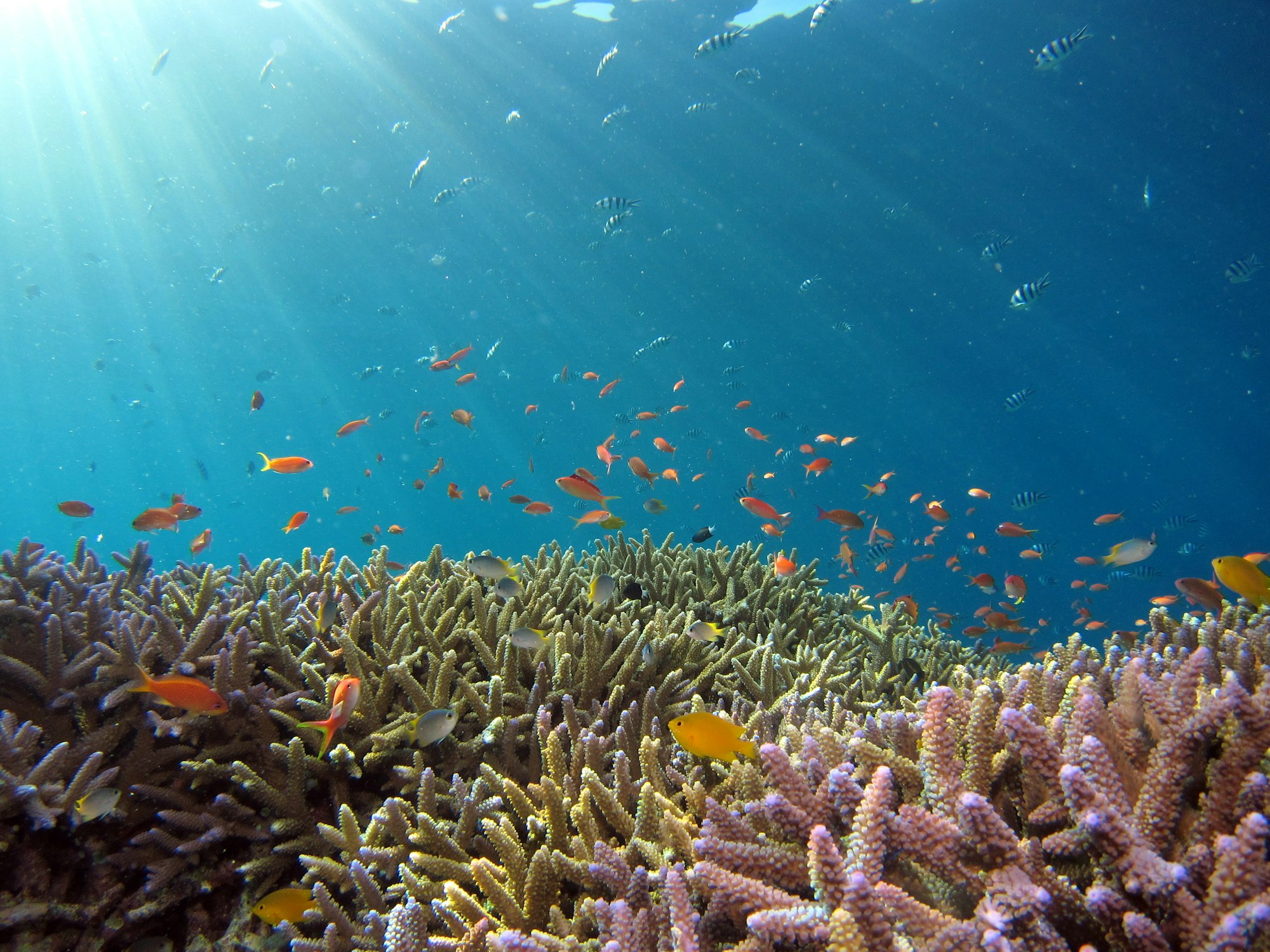
Sun View is a muck diving site located approximately 2 kilometres from the resort area in Anilao. The site features a sandy slope descending to 30 meters and beyond, with gorgonia fans, sea whips, and soft coral outcrops providing structure on the otherwise sandy bottom. The site is best known for its pygmy seahorses, which have been found on gorgonia fans at around 24 meters depth. Nudibranchs are abundant across the site, and the sand and rubble host a variety of critters including octopus and mantis shrimp.
Site Information
- Location: Anilao, Batangas, Philippines (approximately 2 km from resort area)
- Entry Type: Boat dive
- Site Type: Muck dive
- Difficulty Level: Intermediate
- Maximum Depth: 30 meters
- Typical Visibility: 10-20 meters
- Water Temperature: 27-29°C
- Current: Variable
- Best Time: November to June (dry season)
Marine Life
The highlight at Sun View is the pygmy seahorses found on gorgonia fans at approximately 24 meters depth. These tiny, exceptionally well-camouflaged creatures are among the most sought-after macro subjects in the underwater world. Beyond the pygmy seahorses, the site hosts abundant nudibranchs across the slope. Octopus are regularly encountered, often emerging from burrows in the sand. Mantis shrimp occupy holes in the rubble and sand. Sea whips and soft corals support associated gobies, shrimps, and other small critters.
Dive Profile
Enter from the boat and descend to the sandy slope. Head to the gorgonia fans at approximately 24 meters to search for pygmy seahorses — your guide will know the current locations. After viewing the seahorses, work shallower along the slope, scanning for nudibranchs, octopus, and critters on the sea whips and soft corals. Mantis shrimp can be found in burrows throughout the sand and rubble areas. The slope continues beyond 30 meters, so monitor your depth carefully, especially when focused on the deeper gorgonias.
Entry and Exit
Access by boat from Anilao-area resorts, approximately 10-15 minutes. Enter by giant stride and descend to the slope. Deploy an SMB during your safety stop for boat pickup.
Tips and Recommendations
- Ask your guide to take you directly to the known pygmy seahorse locations on the gorgonias at 24 meters
- Do not touch the gorgonia fans — pygmy seahorses are extremely sensitive to disturbance
- Budget your bottom time carefully, as the pygmy seahorses are at 24 meters and you will want time there
- Work shallower on the return for nudibranch hunting, which extends your overall dive time
Safety Considerations
The pygmy seahorse gorgonias at 24 meters require careful gas management — it is easy to spend too long at depth when absorbed in trying to spot and photograph these tiny creatures. Plan a maximum bottom time at depth and stick to it. The sandy slope can reduce visibility with careless finning — maintain good buoyancy control throughout.
Photography
Sun View is a macro photography destination. Pygmy seahorses on gorgonias at 24 meters are the premier subject — they require a dedicated macro lens (100mm preferred) and ideally a supermacro diopter. They are extremely small (less than 2 cm) and perfectly camouflaged against the gorgonia polyps. Patience, a good guide, and excellent buoyancy are essential. Nudibranchs across the slope are more accessible macro subjects. Octopus emerging from their dens and mantis shrimp in burrows provide additional targets for patient photographers.
Sources: Michael McFadyen’s Scuba Diving Web Site, Zentacle – Anilao Dive Sites, Wannadive – Anilao. Last updated 2026-06-25.
Sea-surface temperature and wave height from Open-Meteo Marine (ERA5 reanalysis, monthly averages).
11029 verified species observations (377 species) logged within ~11 km of this site between 1908 and 2025, from the Ocean Biodiversity Information System.
- Halieutaea nigra
- Ascidiacea
- Styelidae
- Odonus niger
- Samariscus triocellatus
- Fowleria vaiulae
- Dendrochirus zebra
- Synchiropus morrisoni
- Centropyge nox
- Peristedion
- Chaunax breviradius
- Pseudogramma polyacantha
Scientific survey records skew toward sampled taxa (molluscs, corals) and do not reflect what you are guaranteed to see on a dive.
Source: OBIS (obis.org), aggregated Darwin Core occurrence records.
Conditions change with the tide and the season. If you have dived this site, share what it was actually like — date, visibility, current, and what you saw. Real, recent reports from divers are exactly what this guide is built to collect.
Send a conditions report ›