Twin Rocks
13.6938°N 120.8863°E · reef
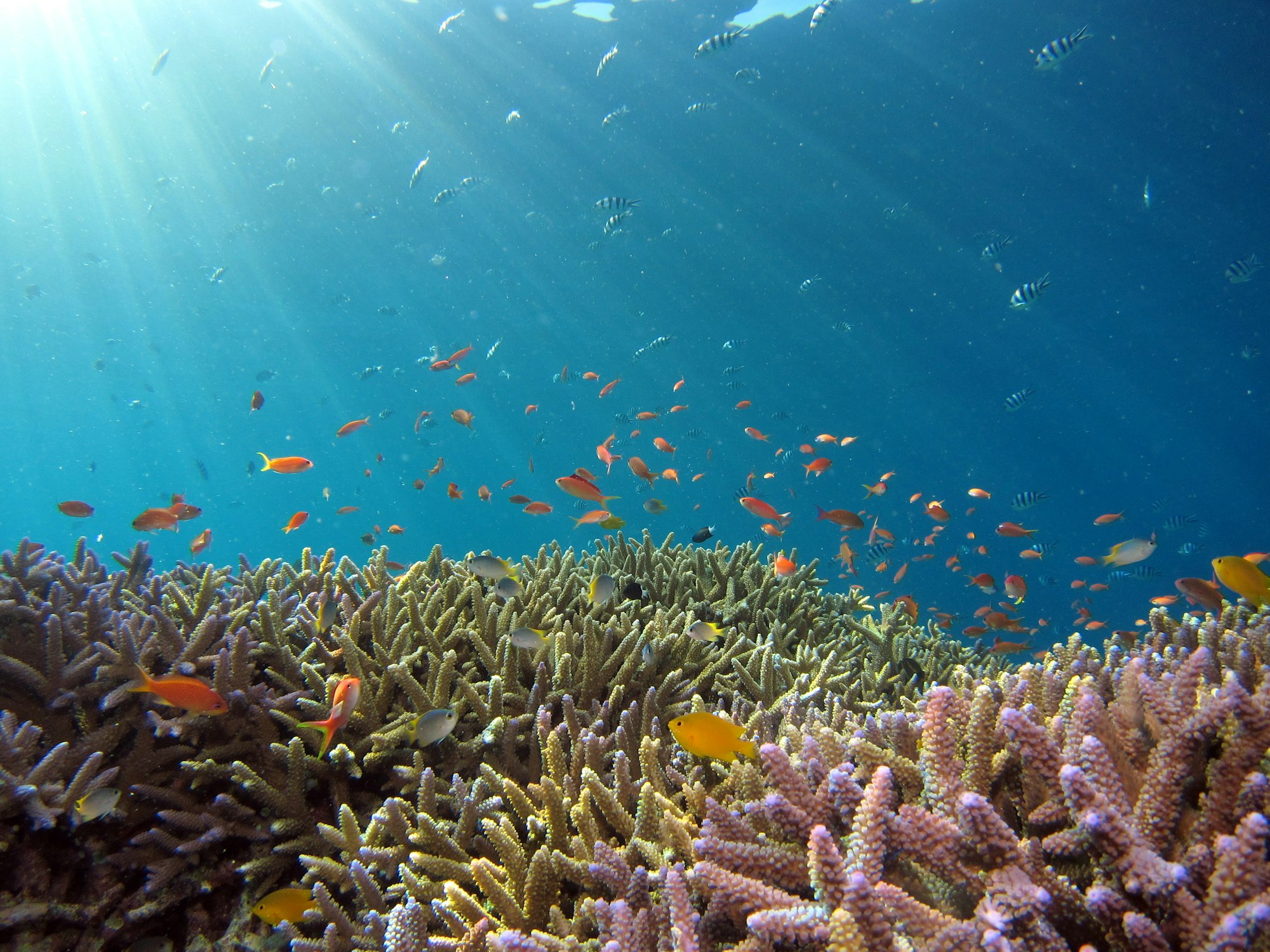
Twin Rocks is a classic Anilao reef dive site named for the two prominent rock formations that define the site’s underwater topography and create the concentrated marine habitat typical of structure-based diving in the Verde Island Passage.
Overview
The two rock formations that give the site its name create an underwater structure with sides and overhangs encrusted with coral, sponge, and other sessile organisms. The gap between the twin rocks forms a sheltered zone where current is reduced, allowing a distinct microhabitat to develop. Both the exposed outer faces and the sheltered interior of the twin rocks reward exploration, with different species distributions across these varying conditions. The maximum depth of 18 meters across the site encompasses the full range from the rock tops near the surface to the sandy substrate at their bases.
Site Information
- Location: Anilao, Batangas, Philippines
- Entry Type: Boat dive
- Site Type: Reef
- Difficulty Level: Intermediate
- Maximum Depth: 18 meters
- Typical Visibility: 10-20 meters
- Current: Light in the gap; moderate on exposed faces
- Best Time: October to May
Marine Life
The twin rock structure creates habitat variety in a small area. The sheltered gap between the rocks hosts seahorses, pipefish, and other species that prefer calm water. The outer faces of the rocks have denser coral and sponge growth with associated nudibranchs, flatworms, and frogfish. At the rock bases, the sandy rubble margins are excellent for finding ghost pipefish near crinoids and jawfish in their burrows. Sea snakes occasionally cruise the site.
Dive Profile
Explore the outer face of one rock first, moving around it to the gap between the two formations. Spend time in the gap searching for calm-water species before exploring the outer face of the second rock. Descend to the base of the rocks to check the sandy substrate before ascending. The site’s compact size allows multiple circuits during a single dive, with each pass revealing new finds.
Entry and Exit
Access by banca from Anilao resort. Entry by giant stride above the site. Return by ladder. The compact site means the banca can anchor nearby throughout the dive.
Tips and Recommendations
- The gap between the twin rocks is the most distinctive feature — spend extra time there
- Move slowly and look on all surfaces of the rock — tops, sides, overhangs, and bases each have different species
- The sheltered gap is often where the most unusual critters are concentrated
- Twin Rocks is an excellent site for newer divers building their macro observation skills
- Night diving reveals different behaviour and species on the rock faces
Safety Considerations
Standard Anilao conditions apply. Light current at this site. Deploy SMB before surfacing to alert banca crew. Monitor depth to stay within the 20-meter maximum.
Photography
The twin rock structure provides compositional variety for both wide-angle and macro shooting. The interplay of light in the gap between the rocks creates interesting ambient-light conditions. Macro subjects on the rock faces and in the sheltered gap are the highlights.
Sources: Philippine Dives – Anilao Guide, Wannadive – Twin Rocks Anilao, Diving Squad – Anilao Guide. Last updated 2026-06-25.
Sea-surface temperature and wave height from Open-Meteo Marine (ERA5 reanalysis, monthly averages).
10960 verified species observations (374 species) logged within ~11 km of this site between 1908 and 2025, from the Ocean Biodiversity Information System.
- Halieutaea nigra
- Ascidiacea
- Styelidae
- Odonus niger
- Samariscus triocellatus
- Fowleria vaiulae
- Dendrochirus zebra
- Didemnidae
- Synchiropus morrisoni
- Centropyge nox
- Peristedion
- Chaunax breviradius
Scientific survey records skew toward sampled taxa (molluscs, corals) and do not reflect what you are guaranteed to see on a dive.
Source: OBIS (obis.org), aggregated Darwin Core occurrence records.
Conditions change with the tide and the season. If you have dived this site, share what it was actually like — date, visibility, current, and what you saw. Real, recent reports from divers are exactly what this guide is built to collect.
Send a conditions report ›