Fondeadero
18.7500°N 110.9400°W · reef
Fondeadero
The traditional checkout dive site near the Socorro Island anchorage, with three lava block formations and reliable marine life encounters
Overview
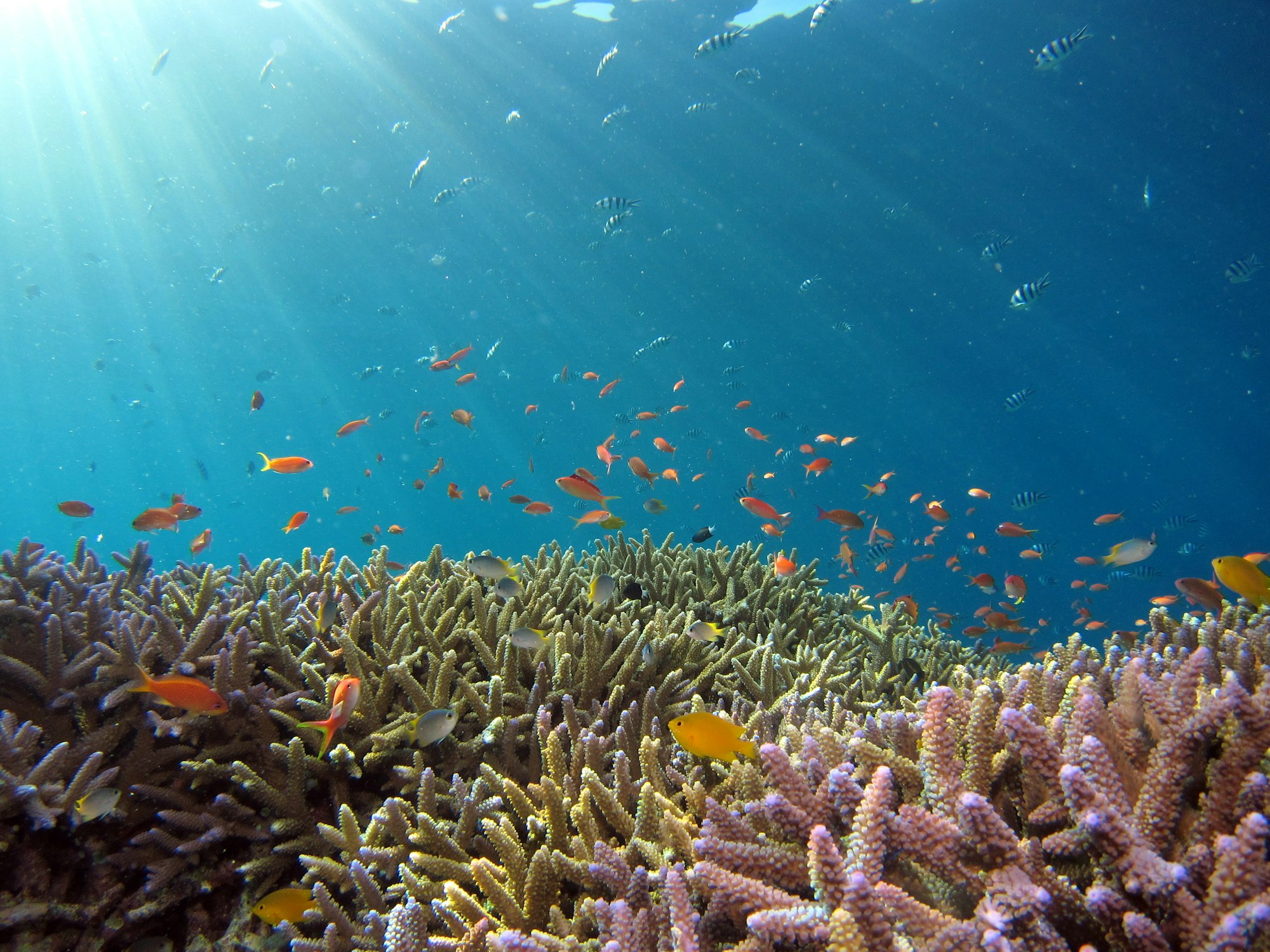
Fondeadero (Spanish for “anchorage”) is the checkout dive site near the Socorro Island anchorage where liveaboards typically make their first dive of the trip after the 26-30 hour transit from Cabo San Lucas. Three rectangular lava block formations rise from the sandy bottom, running from approximately 30m in the south to 10m in the north. The blocks are covered with coral patches, sponges, and numerous crevices. While it serves a practical purpose — allowing divemasters to assess divers’ skills before the more demanding sites — Fondeadero regularly produces legitimate Socorro-quality encounters including manta rays, whitetip reef sharks, and dolphins. Visibility is often lower than at the archipelago’s more exposed sites due to the sheltered location.
Site Information
- Location: Socorro Island, Socorro Islands, Pacific
- Entry Type: Boat dive
- Site Type: Reef
- Difficulty Level: Advanced
- Maximum Depth: 30 meters
- Typical Visibility: 10-15 metres (lower than exposed sites due to sheltered location)
- Current: Mild to moderate
- Best Time: November to June
Marine Life
Despite its checkout-dive role, Fondeadero delivers legitimate Socorro encounters. Giant oceanic manta rays (Mobula birostris) cruise past the lava formations — confirmed by multiple trip accounts. Whitetip reef sharks rest on and around the blocks. Bottlenose dolphins occasionally visit during surface intervals and dives. Schools of jacks, wahoo, and trumpetfish aggregate around the structures. The lava blocks harbour moray eels, giant spiny lobsters, Clarion angelfish, pufferfish, squirrelfish, hogfish, and crown-of-thorns starfish. The sheltered sandy channels between formations provide different habitat from the exposed pinnacle and wall sites. Tiger sharks are considered possible at this site but are not consistently documented here.
Dive Profile
A straightforward dive around and between the three lava block formations. Maximum depth is approximately 30 metres at the base of the deepest block. Work around each formation, checking overhangs and crevices for resting sharks and marine life. The sandy channels between blocks are worth exploring for passing mantas and pelagics. The relatively simple topography makes this an ideal orientation dive.
Entry and Exit
Zodiac tender from the liveaboard anchored nearby. Giant stride entry. Conditions are generally sheltered compared to the archipelago’s exposed sites. Deploy an SMB during ascent.
Tips and Recommendations
- Don’t underestimate this site — Socorro-quality encounters can happen even at the checkout dive
- The first dive of the trip after 30 hours of transit — take it easy and enjoy the warm-up
- Check every overhang on the lava blocks for resting sharks and marine life
- The sheltered conditions make this a good site for calibrating buoyancy and camera settings
- Gloves are prohibited throughout the marine park
Safety Considerations
The mildest conditions in the archipelago, but the Advanced rating reflects the remote location. Currents are generally mild near the anchorage. The nearest hyperbaric chamber is approximately 30 hours away in Cabo San Lucas or La Paz. As the first dive after a long transit, be aware of potential fatigue and take a conservative approach.
Photography
A good site for equipment testing and practice before the archipelago’s more demanding sites. The lava block formations provide interesting structures for wide-angle compositions. Lower visibility compared to other Socorro sites may affect wide-angle range. Close-focus wide-angle on the lava formations can yield strong results.
Sources: ACD Diving - Mexico Socorro 2017, Diver Trek - Revillagigedo Islands, K. Flansburg - Diving in Socorro, SSI Blog - Socorro Islands, UW Photography Guide - Socorro Islands. Last updated 2026-06-30.
Sea-surface temperature and wave height from Open-Meteo Marine (ERA5 reanalysis, monthly averages).
3843 verified species observations (137 species) logged within ~11 km of this site between 1897 and 2009, from the Ocean Biodiversity Information System.
- Megaptera novaeangliae · Humpback whale
- Entomacrodus chiostictus
- Myripristis clarionensis
- Kuhlia mugil
- Apogon atricaudus
- Ophioblennius atlanticus
- Bodianus diplotaenia
- Mugil curema
- Xanthichthys mento
- Atherinella eriarcha
- Thalassoma lucasanum
- Epinephelus labriformis
Scientific survey records skew toward sampled taxa (molluscs, corals) and do not reflect what you are guaranteed to see on a dive.
Source: OBIS (obis.org), aggregated Darwin Core occurrence records.
Conditions change with the tide and the season. If you have dived this site, share what it was actually like — date, visibility, current, and what you saw. Real, recent reports from divers are exactly what this guide is built to collect.
Send a conditions report ›