The Aquarium
19.3100°N 110.8100°W · reef
The Aquarium
A shallow volcanic reef with the highest fish density on San Benedicto and excellent macro subjects
Overview
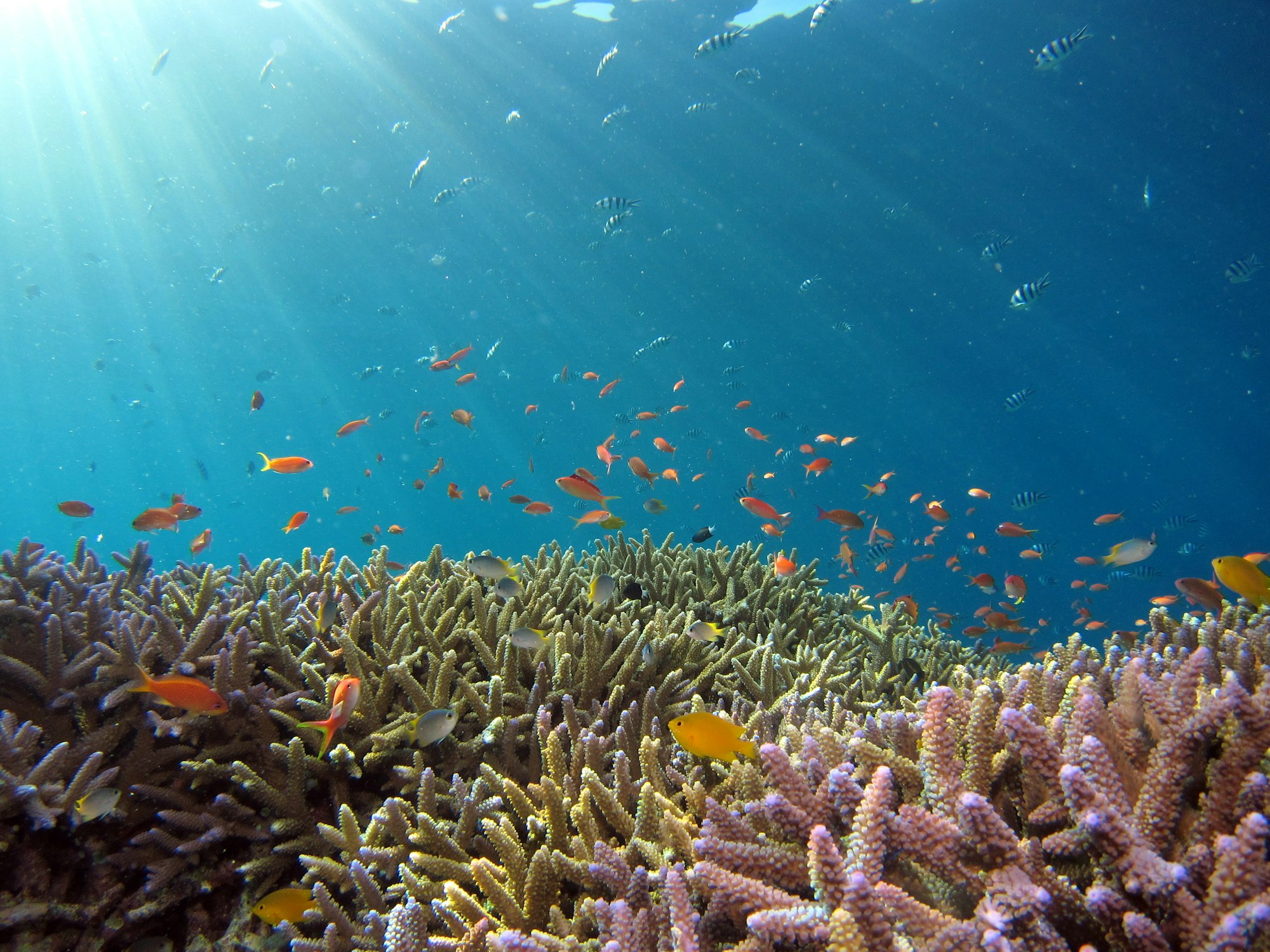
The Aquarium is a shallow dive site on San Benedicto Island, named for its exceptional density and variety of reef fish — unusual for the Socorro archipelago, where most sites are defined by pelagic encounters rather than reef life. The volcanic substrate supports a concentrated community of endemic and tropical fish species in a relatively small area at depths of 5-15 metres. While it lacks the headline pelagic action of The Boiler or El Canyon, The Aquarium offers a different character of diving that complements the big-animal sites and provides excellent macro and fish photography opportunities. Manta rays and sharks still pass through regularly.
Site Information
- Location: San Benedicto Island, Socorro Islands, Pacific
- Entry Type: Boat dive
- Site Type: Reef
- Difficulty Level: Advanced
- Maximum Depth: 15 meters
- Typical Visibility: 15-25 metres
- Current: Mild to moderate
- Best Time: November to June
Marine Life
The site’s shallow volcanic structure supports a concentration of reef fish unusual in the open-ocean environment of the Revillagigedo. Endemic Clarion angelfish — found only in the Revillagigedo Archipelago — are present. The UW Photography Guide identifies The Aquarium as the best macro site in the Socorro Islands, with blennies and nudibranchs among the confirmed subjects. Moray eels occupy crevices in the lava rock. Schools of reef fish surround the shallow volcanic substrate, giving the site its name. Whitetip reef sharks rest in overhangs. Manta rays and pelagic species pass by the site. The Aquarium also serves as a staging area from which whale activity in the surrounding open water is sometimes visible during surface intervals.
Dive Profile
A relaxed shallow dive, rarely exceeding 15 metres. Work along the volcanic reef structures, exploring crevices and overhangs. The shallow depth allows for extended bottom times — an ideal third or fourth dive of the day after deeper sites. The reef’s compact size makes it easy to cover thoroughly in a single dive.
Entry and Exit
Zodiac tender from the liveaboard. Giant stride entry into relatively sheltered water compared to more exposed sites. Deploy an SMB during ascent. Conditions are generally calmer than the archipelago’s more exposed pinnacle and wall sites.
Tips and Recommendations
- Bring macro lenses or a close-focus setup — this is the best macro site in the archipelago
- Look for endemic Clarion angelfish in the shallows — they are the most distinctive Revillagigedo endemic at this site
- An excellent site for extended bottom time after deeper morning dives
- Check every overhang and crevice for moray eels and nudibranchs
- Gloves are prohibited throughout the marine park
Safety Considerations
The shallow depth and typically milder conditions make this one of the more accessible sites in the archipelago, though the Advanced rating reflects the remote liveaboard-only location. Currents can still develop. The nearest hyperbaric chamber is approximately 30 hours away. Maintain standard safety practices.
Photography
The Aquarium is the best site in the Socorro Islands for macro photography. Endemic Clarion angelfish provide colourful, cooperative subjects. Dense schools of reef fish in clear water create vibrant wide-angle compositions at shallow depths with excellent natural light. The volcanic substrate provides interesting textures and backdrops.
Sources: UW Photography Guide - Socorro Islands, SSI Blog - Socorro Islands, Nautilus Liveaboards - Scuba Diving Socorro Islands. Last updated 2026-06-30.
Sea-surface temperature and wave height from Open-Meteo Marine (ERA5 reanalysis, monthly averages).
19941 verified species observations (117 species) logged within ~11 km of this site between 1979 and 2023, from the Ocean Biodiversity Information System.
- Chordata
- Actinopteri
- Mammalia
- Thalassoma lucasanum
- Epinephelus
- Holocentridae
- Kyphosus
- Myripristis
- Cirrhitichthys oxycephalus
- Caranx caballus
- Caranx
- Apogon guadalupensis
Scientific survey records skew toward sampled taxa (molluscs, corals) and do not reflect what you are guaranteed to see on a dive.
Source: OBIS (obis.org), aggregated Darwin Core occurrence records.
Conditions change with the tide and the season. If you have dived this site, share what it was actually like — date, visibility, current, and what you saw. Real, recent reports from divers are exactly what this guide is built to collect.
Send a conditions report ›